What’s the best DIY raised garden bed material for longevity and food safety?
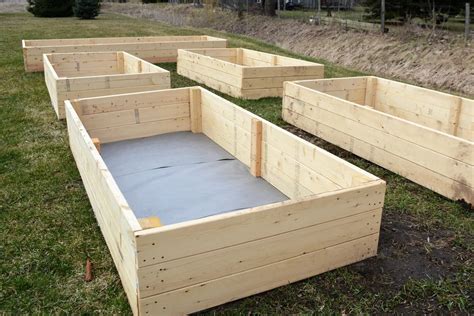
Unearthing the Best Materials for Your DIY Raised Garden Bed
Embarking on a DIY raised garden bed project is an exciting step towards a thriving home garden. Raised beds offer numerous benefits, from better soil drainage and reduced pest issues to easier access and extended growing seasons. However, the success and safety of your garden largely hinge on one critical decision: the material you choose. With options ranging from natural wood to modern composites, understanding the longevity and food safety implications of each is paramount.
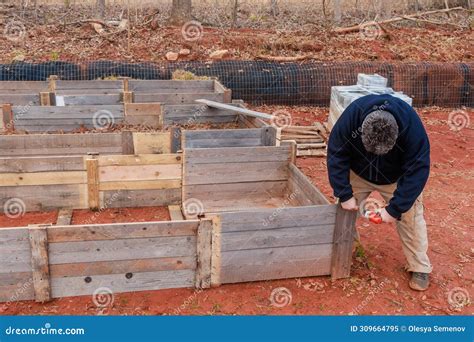
Natural Wood: Classic Charm with Caveats
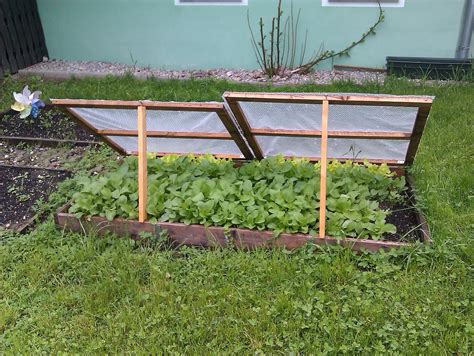
Wood is a perennial favorite for raised garden beds due to its natural aesthetics and ease of workability. However, not all wood is created equal when it comes to durability and chemical leaching.
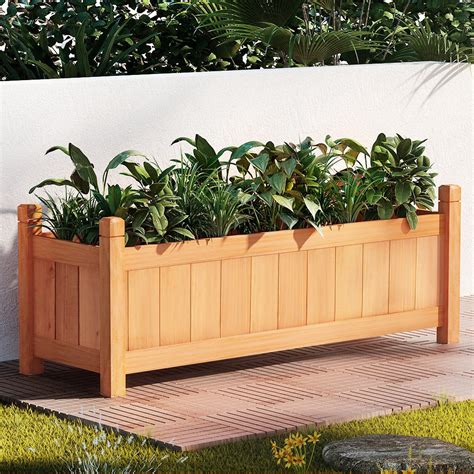
Cedar and Redwood
- Longevity: Both cedar and redwood are naturally rot-resistant, making them excellent choices. Cedar can last 10-15 years, while redwood, especially heartwood, can exceed 20 years.
- Food Safety: These woods are generally considered safe for organic gardening as they do not leach harmful chemicals into the soil.
- Cost: They tend to be more expensive upfront, but their longevity can justify the investment.
Untreated Standard Lumber (e.g., Pine, Fir)
- Longevity: Without natural rot resistance or chemical treatment, these woods will decompose relatively quickly, typically lasting only 3-7 years, especially in contact with moist soil.
- Food Safety: They are food-safe as they contain no added chemicals.
- Cost: Very affordable, but requires more frequent replacement.
Treated Lumber (e.g., Pressure-Treated Wood)
- Longevity: Modern pressure-treated lumber (often copper-based like ACQ, MCA, or CA) is highly resistant to rot and insects, lasting 20 years or more.
- Food Safety: This is a contentious area. While manufacturers claim modern treatments are safe for garden beds, some gardeners remain wary of copper leaching, particularly for root crops. The consensus is generally that modern treatments are significantly safer than older CCA (chromated copper arsenate) treatments, but if you’re concerned, lining the bed with a heavy-duty food-grade plastic barrier is an option.
Metal Options: Durable and Modern
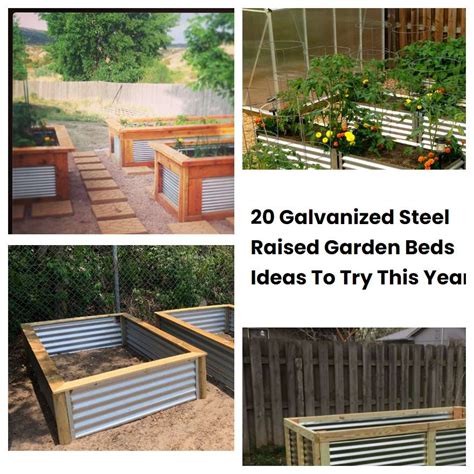
Metal raised beds, particularly those made from galvanized steel, have grown significantly in popularity due to their sleek appearance and impressive lifespan.
Galvanized Steel and Corrugated Metal
- Longevity: Galvanized steel, with its zinc coating, is highly resistant to rust and decay, offering excellent longevity, often 20+ years. Corrugated steel offers similar durability with an appealing aesthetic.
- Food Safety: Zinc, while an essential micronutrient, can potentially leach into the soil in very small quantities. However, studies generally indicate the levels are negligible and well within safe limits for consumption. The primary concern with metal is heat absorption; in very hot climates, the metal sides can heat up considerably, potentially baking roots along the edges. This can be mitigated by choosing lighter colors or placing the beds in partial shade.
- Cost: Prices vary, but they can be a cost-effective long-term solution.
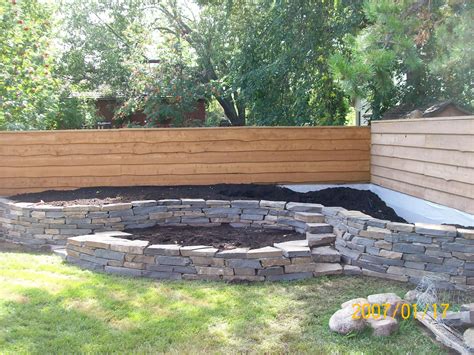
Stone, Concrete, and Cinder Blocks: Permanent Solutions
For a truly permanent structure, stone, concrete, or cinder blocks are excellent choices.
- Longevity: These materials are virtually indestructible and can last a lifetime, requiring minimal maintenance.
- Food Safety: Generally very safe. Concrete and stone are inert and do not leach harmful chemicals. Cinder blocks, if made from standard concrete mix, are also safe. Avoid using blocks that were used for industrial purposes or have unusual stains, as they might contain contaminants.
- Cost: Can be expensive and labor-intensive to install, but offers unmatched durability.
Recycled Plastic and Composite Lumber: Eco-Friendly Alternatives
These materials offer a modern, low-maintenance alternative.
- Longevity: Recycled plastic and composite lumber are extremely durable, resisting rot, insects, and warping. They can last for decades.
- Food Safety: This is an area of debate. While many products are advertised as food-grade, concerns exist about the potential for plasticizers and other chemicals to leach into the soil, especially under direct sunlight and fluctuating temperatures. It’s crucial to research the specific product and look for certifications or clear statements regarding food safety for gardening applications.
- Cost: Usually more expensive than untreated wood but comparable to cedar/redwood or metal.
The Verdict: Balancing Durability, Safety, and Budget
When considering longevity and food safety, several materials stand out:
- For Longevity and Food Safety (Premium): Natural rot-resistant woods like cedar or redwood, galvanized steel, and stone/concrete/cinder blocks are top contenders. They offer excellent durability with minimal to no food safety concerns.
- For Budget-Conscious Food Safety: Untreated standard lumber is safe but requires more frequent replacement. Modern pressure-treated wood is durable, but some gardeners prefer to line it for extra peace of mind.
- For Low Maintenance & Long Life (with caution): Recycled plastic and composite lumber offer great durability, but verify food-grade safety for your specific product.
Ultimately, the “best” material depends on your specific priorities, budget, climate, and level of concern regarding potential chemical leaching. Prioritize certified food-grade options, ensure good drainage, and enjoy the bounty of your safe, long-lasting DIY raised garden bed!