



What’s the best DIY, rot-resistant wood for raised garden beds in a country setting?

Building Durable Raised Garden Beds in the Countryside
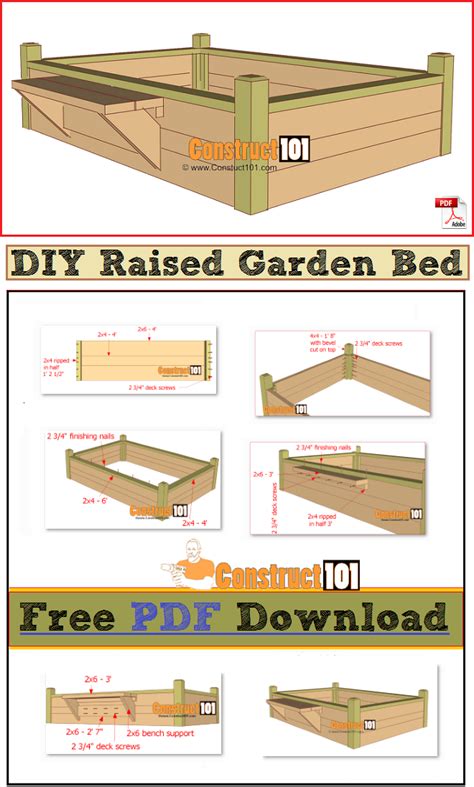
For those embracing the charm of country living and the rewards of homegrown produce, raised garden beds are an invaluable asset. They offer improved drainage, better soil control, and easier access, but their success hinges on a critical factor: the longevity of the materials. In a rural setting, where beds are often exposed to the elements year-round, selecting a rot-resistant wood is paramount for a structure that will serve your gardening ambitions for years, not just seasons.

Key Considerations for Wood Selection
When choosing wood for your DIY raised garden beds, especially in a country environment, several factors come into play beyond just rot resistance. You’ll need to weigh durability, safety for edible crops, initial cost, availability in your region, and the aesthetic appeal that complements your rural landscape.
- Durability & Rot Resistance: This is the primary concern. Wood in direct contact with moist soil and exposed to weather will quickly degrade if not naturally resistant.
- Safety for Edibles: If you’re growing food, chemical treatments applied to wood can be a concern. Prioritize natural resistance or verified food-safe treatments.
- Cost: Naturally rot-resistant woods can be more expensive upfront, but their longevity often makes them a cost-effective choice in the long run.
- Availability: Some excellent wood choices might be harder to source depending on your location. Local sawmills can be a great resource in a country setting.
- Aesthetics: The natural beauty of certain woods can enhance the visual appeal of your garden.
Top Untreated, Naturally Rot-Resistant Wood Choices
For most gardeners, especially those growing edibles, naturally rot-resistant woods are the preferred choice. They offer peace of mind regarding chemical leaching and often age beautifully.
Cedar (Western Red Cedar, Eastern Red Cedar)
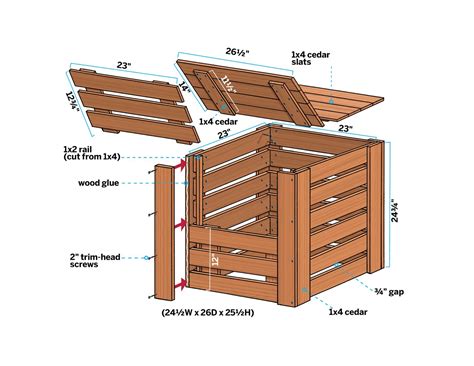
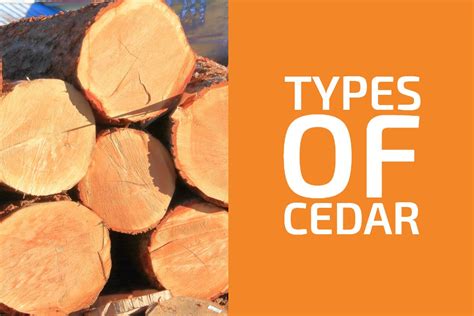
Cedar is perhaps the most popular choice for raised garden beds, and for good reason. Western Red Cedar, in particular, is renowned for its natural resistance to rot, decay, and insect infestation due to its inherent oils. It’s relatively lightweight, easy to work with, and possesses a beautiful aroma and appearance that weathers to a soft silvery-gray over time. Eastern Red Cedar also offers excellent resistance but can be harder to source in consistent lumber dimensions.
Pros: Excellent rot resistance, insect resistant, easy to work with, aesthetically pleasing, generally available.
Cons: Can be more expensive than non-resistant woods, lifespan typically 10-20 years depending on conditions.
Redwood
Similar to cedar, redwood boasts exceptional natural resistance to rot and insects. It’s a beautiful, durable wood that performs wonderfully in moist environments. However, its availability is often limited to specific regions (primarily the West Coast of the US), and it tends to be more costly due to its demand and protected status.
Pros: Superior rot resistance, beautiful appearance, long lifespan.
Cons: High cost, limited availability outside specific regions.
Black Locust
Often considered the gold standard for durability among native North American hardwoods, Black Locust is incredibly dense and naturally resistant to rot and insects, rivalling even tropical hardwoods. It’s a fantastic choice for raised beds, with a potential lifespan of 50 years or more. However, it is extremely hard, making it difficult to cut and drill, and often comes in more irregular shapes from local sawmills rather than standardized lumber sizes.
Pros: Unparalleled rot resistance, extremely long lifespan, very strong.
Cons: Very hard to work with, can be knotty and irregular, splinters easily, often expensive and harder to find in dimensional lumber.
Other Durable Options
- White Oak: While not as rot-resistant as black locust or cedar in ground contact, white oak is a very dense hardwood that offers good decay resistance, especially if quarter-sawn.
- Osage Orange: Extremely dense and naturally rot-resistant, similar to black locust. Also very hard to work with and can be difficult to source.
Considering Treated Lumber
The topic of treated lumber for garden beds can be contentious. Historically, lumber treated with Chromated Copper Arsenate (CCA) posed risks due to arsenic leaching. Modern pressure-treated lumber (often treated with Alkaline Copper Quaternary (ACQ) or Copper Azole (CA)) uses copper-based compounds, which are generally considered safer by regulatory bodies for use in residential settings, including garden beds not in direct contact with food crops. However, many organic gardeners still prefer to avoid it or to line their beds if using treated wood.
If you opt for treated lumber, ensure it is rated for ground contact. It’s always a good idea to line the interior of the bed walls with a food-safe plastic sheeting (like a pond liner or heavy-duty polyethylene) to create a barrier between the treated wood and your soil, offering an extra layer of protection.
Maximizing Lifespan Regardless of Wood Choice
Even with the most rot-resistant wood, proper construction and care can significantly extend the life of your raised garden beds:
- Good Drainage: Ensure your beds have excellent drainage to prevent wood from sitting in standing water.
- Lining: A non-permeable, food-safe liner (like 6-mil polyethylene or a pond liner) between the soil and the wood can prevent direct contact and moisture transfer. Punch drainage holes in the bottom if lining the entire bed.
- Elevate Corners: Place corner posts on concrete pavers or gravel to lift the wood slightly off the damp ground.
- Sealing End Grain: The end grain of wood absorbs water most readily. Sealing these cuts with a natural, non-toxic wood preservative (like raw linseed oil, tung oil, or even beeswax) can help.
- Airflow: Avoid placing beds directly against structures that trap moisture.
Making Your Final Decision
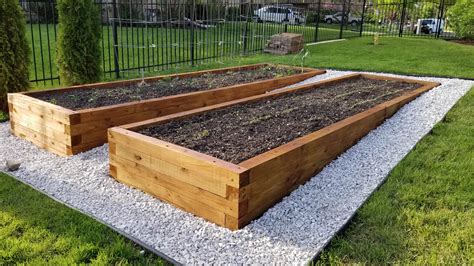
Choosing the best DIY rot-resistant wood for your raised garden beds in a country setting involves balancing budget, availability, aesthetic preference, and your comfort level with different wood types. For ultimate peace of mind and longevity for food crops, naturally rot-resistant woods like cedar, redwood, or black locust are superior choices. If budget is a primary concern, modern treated lumber with a proper liner can be a viable alternative. Whichever you choose, invest in quality materials and construction techniques to ensure your raised beds provide a thriving home for your plants for many seasons to come.