


What’s the best homemade seed starting mix recipe for robust seedlings?
Why DIY Your Seed Starting Mix?
While convenience often steers us towards store-bought options, crafting your own seed starting mix offers unparalleled control, cost savings, and ensures your seedlings get the very best start in life. Commercial mixes can sometimes be too heavy, lack vital nutrients, or contain ingredients unsuitable for tender young roots. By making your own, you can tailor the blend perfectly for excellent drainage, aeration, and nutrient availability, promoting a healthy root system and vigorous growth from day one.
Key Ingredients for a Winning Mix
A superior seed starting mix balances moisture retention, drainage, and aeration. Here are the core components:
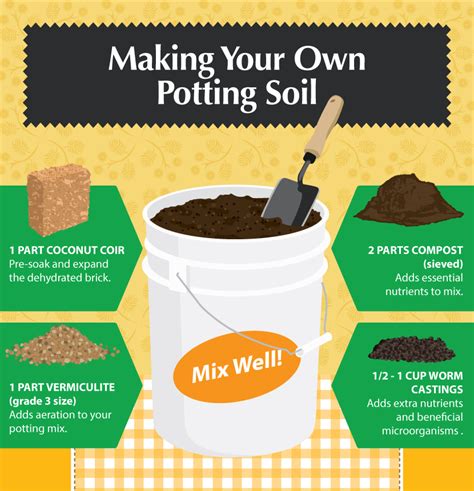
- Peat Moss or Coco Coir (approx. 50-60%): These provide a lightweight, moisture-retentive base. Coco coir is a more sustainable alternative to peat moss, offering similar benefits while being pH neutral.
- Perlite or Vermiculite (approx. 20-30%): Essential for aeration and drainage. Perlite is a volcanic rock that creates air pockets, preventing compaction. Vermiculite is a mineral that also aids aeration but retains more moisture than perlite, releasing it slowly to the roots.
- Compost or Worm Castings (approx. 10-20%): Introduces beneficial microbes and a slow release of essential nutrients, giving your seedlings a gentle boost without overpowering them. Ensure the compost is well-rotted and finely screened.
- Optional Amendments: A pinch of dolomitic lime (if using peat moss to adjust pH), mycorrhizal fungi (to aid nutrient uptake), or a very small amount of finely ground organic fertilizer for seedlings with a longer grow time indoors.
The Ultimate Homemade Seed Starting Mix Recipe
This recipe strikes a perfect balance for most vegetable and flower seeds, providing an ideal environment for germination and early growth:
Our Recommended Blend:
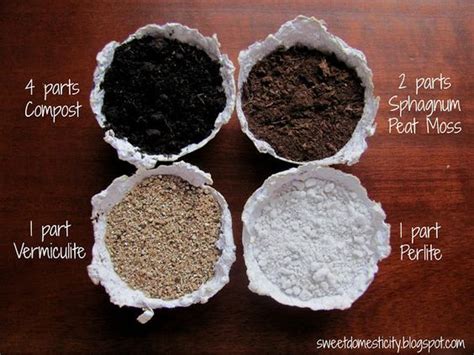
- 2 parts finely screened Coco Coir or Peat Moss
- 1 part Perlite
- 1 part Vermiculite
- 1/2 part finely screened Worm Castings or well-rotted Compost
Instructions for Mixing:
- Moisten the Coir/Peat: Begin by thoroughly moistening your coco coir or peat moss. These materials are highly compressed and can be difficult to hydrate once mixed with other components. Use warm water to help it expand.
- Combine Dry Ingredients: In a large tub or on a clean tarp, combine the moistened coco coir/peat moss, perlite, vermiculite, and worm castings/compost.
- Mix Thoroughly: Use your hands or a garden trowel to mix all ingredients until uniformly blended. There should be no dry pockets, and the mix should be consistently moist, like a wrung-out sponge – not dripping wet.
- Sterilization (Optional but Recommended): For very sensitive seeds or if you’ve had damping-off issues, you can sterilize your mix. Spread it on a baking sheet and bake at 200°F (93°C) for 30 minutes, or microwave small batches until steaming. Allow to cool completely before use.
Variations for Specific Needs
- For Moisture-Loving Seeds: Increase the proportion of vermiculite slightly (e.g., 2 parts coco, 1/2 part perlite, 1 1/2 parts vermiculite, 1/2 part compost).
- For Drought-Tolerant Seeds: Increase perlite and reduce vermiculite (e.g., 2 parts coco, 1 1/2 parts perlite, 1/2 part vermiculite, 1/2 part compost).
- For Nutrient-Hungry Seedlings: Add an extra 1/4 part of worm castings or a very small amount of balanced organic granular fertilizer to the mix.
Tips for Cultivating Robust Seedlings
A great seed starting mix is just the beginning. Nurturing robust seedlings also requires attention to environment:
- Consistent Moisture: Keep the mix consistently moist but never waterlogged. Use a spray bottle for initial watering to avoid disturbing seeds.
- Adequate Light: Seedlings need strong light to prevent legginess. Provide 12-16 hours of light daily, ideally with grow lights positioned just a few inches above the plants.
- Optimal Temperature: Most seeds germinate best at temperatures between 65-75°F (18-24°C). Once germinated, slightly cooler temperatures (60-70°F or 15-21°C) are often ideal.
- Good Air Circulation: A gentle fan can help strengthen stems and reduce the risk of fungal diseases like damping-off.
- Hardening Off: Before transplanting outdoors, gradually acclimate your seedlings to outdoor conditions over 7-10 days to prevent shock.
- Fertilization: Your homemade mix provides initial nutrients. Begin very light feeding with a dilute liquid organic fertilizer once true leaves appear, typically 2-4 weeks after germination.
Common Problems and Solutions
- Damping-Off: A fungal disease that causes seedlings to collapse. Ensure good air circulation, avoid overwatering, and consider sterilizing your mix.
- Leggy Seedlings: Caused by insufficient light. Lower your grow lights or provide a stronger light source.
- Slow Growth: Could indicate a lack of nutrients (start dilute feeding), too cool temperatures, or too little light.
Creating your own seed starting mix is a rewarding step towards a thriving garden. By understanding the role of each ingredient and following this recipe, you’ll be well on your way to raising strong, healthy seedlings that are ready to flourish in your garden. Happy planting!