What’s the best homemade substitute for buttermilk in country baking?

The Indispensable Role of Buttermilk in Country Baking
Buttermilk is a cornerstone of classic country baking, celebrated for its unique ability to tenderize baked goods, add a subtle tangy flavor, and activate leavening agents like baking soda. Its acidity reacts with the alkaline baking soda, producing carbon dioxide gas that creates a light, fluffy texture in everything from biscuits and cornbread to pancakes and cakes. Without it, recipes can turn out dense, dry, and lacking that distinctive tang.
While traditional buttermilk is the byproduct of churning butter, most buttermilk sold today is cultured, meaning milk has been fermented with bacteria to create its characteristic thickness and tartness. But what happens when your recipe calls for buttermilk and your fridge is empty? Don’t despair! Several excellent homemade substitutes can save your baking day.
The Go-To: Milk + Acid (Lemon Juice or Vinegar)
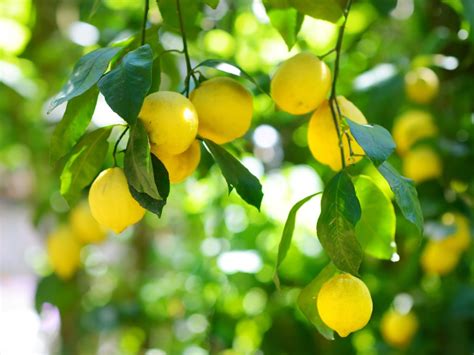
For most country baking recipes, the absolute best homemade substitute for buttermilk is simple: regular milk curdled with an acid. This method mimics buttermilk’s acidity and provides a similar tenderizing effect.
How to Make It:
- For every 1 cup of buttermilk needed, measure 1 cup of regular milk (dairy or non-dairy).
- Add 1 tablespoon of fresh lemon juice or white vinegar to the milk.
- Stir gently and let the mixture sit for 5-10 minutes. The milk will begin to curdle and thicken slightly, indicating it’s ready to use.
Whole milk will yield a thicker substitute, closer to real buttermilk, but lower-fat milk works just as well. This substitute is incredibly versatile and works seamlessly in nearly any recipe calling for buttermilk.
Dairy Alternatives: Yogurt and Kefir
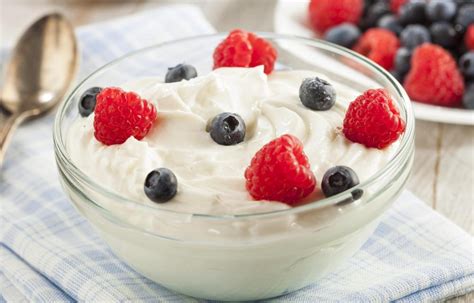
If you have plain yogurt or kefir on hand, they make fantastic buttermilk substitutes due to their similar tang and texture.
-
Plain Yogurt:
For 1 cup of buttermilk, use ¾ cup of plain yogurt (full-fat or low-fat) and whisk in ¼ cup of milk or water to thin it to buttermilk consistency. Avoid flavored yogurts, as their sweetness and additives will alter your recipe.
-
Kefir:
Kefir, a fermented milk drink, has a very similar consistency and tang to buttermilk and can be used as a 1:1 substitute. It’s often thinner than traditional buttermilk, so if your recipe relies on a thick batter, you might reduce other liquids slightly or use a slightly thicker kefir.
Other Clever Substitutes: Cream of Tartar and Buttermilk Powder
Beyond the primary methods, two other options can serve as excellent backups:
-
Milk + Cream of Tartar:
For 1 cup of buttermilk, combine 1 cup of milk with 1 ¾ teaspoons of cream of tartar. Stir and let it sit for 5-10 minutes. Cream of tartar is a dry acid, so it works similarly to lemon juice or vinegar.
-
Buttermilk Powder + Water:
If you bake frequently and want a reliable pantry staple, buttermilk powder is a fantastic investment. Simply follow the package directions to reconstitute it with water, usually 1 part powder to 4 parts water, to create instant buttermilk. It stores well and provides the authentic flavor and acidity.
Choosing the Best Substitute for Your Recipe
While all these substitutes will work, the milk + acid method (lemon juice or vinegar) is generally considered the best and most reliable for country baking. It’s easy, uses common ingredients, and delivers consistent results in terms of texture and leavening activation.
Yogurt and kefir are excellent if you already have them, particularly for recipes where their slightly thicker consistency isn’t a detriment. Buttermilk powder is ideal for serious bakers who want convenience and authenticity without fresh buttermilk.
Tips for Seamless Substitution
- Measure Carefully: Always use precise measurements, especially with the acid component, to ensure the right chemical reaction.
- Allow Time: Give the milk and acid mixture enough time (5-10 minutes) to curdle and thicken before incorporating it into your recipe.
- Room Temperature: For best results in baking, ensure all your ingredients, including your buttermilk substitute, are at room temperature.
- Adjusting Consistency: If using yogurt or kefir, ensure the final consistency is similar to buttermilk. You might need to add a splash more milk or water.
Conclusion
Never let a lack of buttermilk stand between you and your favorite country baking recipes again. With a little regular milk and a common acid like lemon juice or vinegar, you can easily create a substitute that provides the necessary tang, tenderness, and leavening power. So go ahead, whip up those fluffy biscuits, tender cornbread, and moist cakes with confidence, knowing a perfect homemade buttermilk substitute is just minutes away.