What’s the best method for preserving excess garden herbs for year-round use?

The vibrant flavors and aromas of fresh garden herbs are one of the greatest joys of summer and fall. However, an abundant harvest often means having more than you can use immediately. To extend the life of your precious herbs and enjoy their essence year-round, mastering preservation techniques is essential. While there isn’t a single “best” method for every herb, understanding the options allows you to choose the most effective approach for each variety and your culinary needs.
Drying: A Timeless Preservation Method
Drying is perhaps the oldest and most widely recognized method for preserving herbs, especially those with lower moisture content and sturdy leaves like rosemary, thyme, oregano, marjoram, and sage. This process removes water, preventing spoilage and concentrating the herb’s flavor.
Air Drying
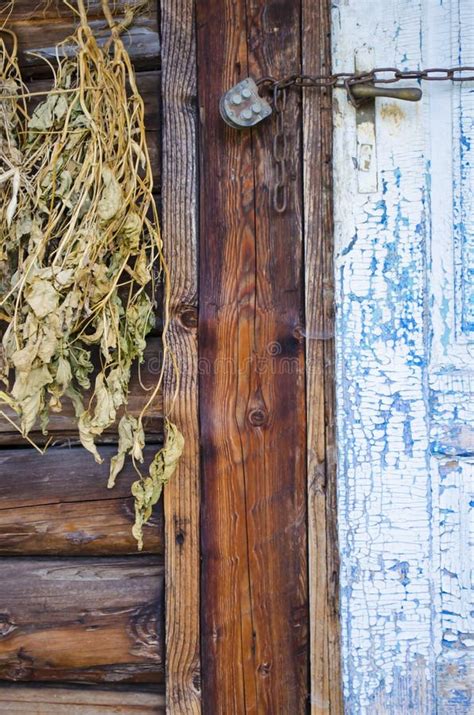
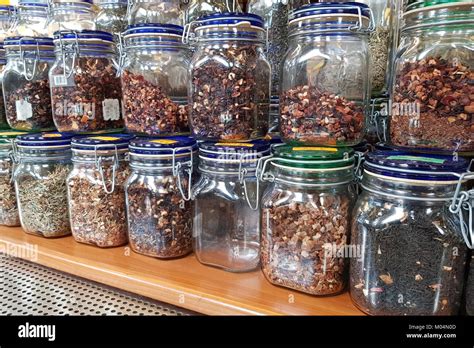
For many herbs, air drying is simple and effective. Harvest herbs in the morning after the dew has dried, gently rinse if necessary, and pat dry. Remove any damaged leaves. Gather small bunches and tie them together at the stems. Hang them upside down in a warm, dry, well-ventilated area away from direct sunlight. Depending on humidity and herb type, this can take one to three weeks. Once completely brittle, strip the leaves from the stems and store them in airtight containers in a cool, dark place.
Using a Dehydrator or Oven
For a quicker method or in humid climates, a food dehydrator is an excellent investment. Spread single layers of clean herb leaves on dehydrator trays and follow the manufacturer’s instructions, typically drying at a low temperature (95-105°F / 35-40°C) until crispy. A conventional oven on its lowest setting with the door ajar can also work, though it requires careful monitoring to prevent baking the herbs.
Freezing: Capturing Freshness
Freezing is ideal for delicate, high-moisture herbs like basil, parsley, cilantro, dill, chives, and mint, which lose much of their flavor and color when dried. This method retains their vibrant green color and fresh taste, making them perfect for adding to cooked dishes, soups, stews, and sauces.

Freezing in Ice Cube Trays
One of the most popular and convenient ways to freeze herbs is by chopping them finely and placing them into ice cube trays. Fill each compartment about two-thirds full with the chopped herbs, then top with a little water, olive oil, or melted butter. Freeze until solid, then pop out the herb cubes and transfer them to freezer-safe bags or containers. Label with the herb name and date. These cubes can be dropped directly into cooking dishes.
Whole Leaf Freezing
Larger, more robust leaves like basil or sage can also be frozen whole. Blanch them quickly in boiling water for a few seconds, then immediately plunge into an ice bath to stop cooking. Pat them thoroughly dry, then arrange them in a single layer on a baking sheet and freeze. Once frozen, transfer them to freezer bags, stacking layers separated by parchment paper. This method preserves their texture for specific uses.
Beyond Drying and Freezing: Creative Options
While drying and freezing are primary methods, other techniques offer unique ways to preserve flavor and integrate herbs into your cooking.
Herb-Infused Oils and Vinegars
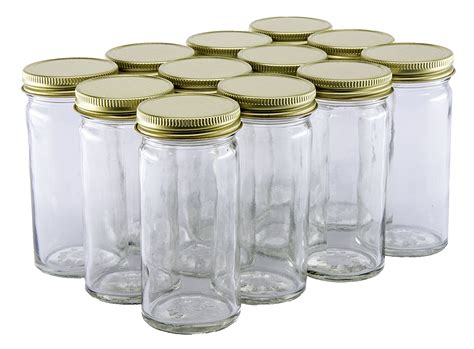
Infusing herbs into oils or vinegars creates flavorful bases for dressings, marinades, and cooking. For oils, ensure herbs are completely dry to prevent botulism risks, as moisture can create an anaerobic environment. Pack clean, dry herbs (like rosemary, thyme, oregano) into sterilized bottles and cover with high-quality olive oil. Store in the refrigerator for up to a month. Similarly, herbs can be infused into vinegar for a tangy addition to cooking.
Herbed Butters and Pestos
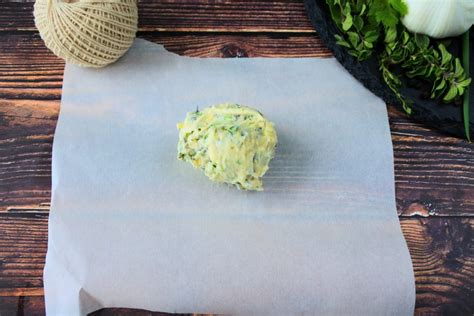
Making and freezing herbed butters or pestos is another fantastic way to preserve herbs like basil, parsley, or chives. Blend your herbs with softened butter, garlic, salt, and pepper, then roll into logs and wrap tightly before freezing. For pesto, combine basil, garlic, pine nuts, Parmesan cheese, and olive oil, then freeze in small containers or ice cube trays. These are convenient for adding instant flavor to meals.
Choosing the Best Method for Your Herbs
The “best” method truly depends on the herb and how you plan to use it. Consider these guidelines:
- For Robust Herbs (Rosemary, Thyme, Oregano, Sage, Marjoram): Drying is often preferred as it concentrates their flavor and they retain their integrity well.
- For Delicate Herbs (Basil, Parsley, Cilantro, Dill, Chives, Mint): Freezing is generally superior as it preserves their fresh color and subtle flavors more effectively than drying.
- For Culinary Convenience: Freezing chopped herbs in oil/water cubes or as pestos/butters offers ready-to-use portions for cooking.
- For Flavorful Staples: Infused oils and vinegars can be excellent for salad dressings and marinades, but remember their shorter shelf life and refrigeration needs.
By employing a combination of these methods, you can ensure a steady supply of your garden’s aromatic treasures, bringing the taste of summer into your kitchen all year long. Experiment with different herbs and techniques to discover your personal favorites, transforming excess into accessible, flavorful ingredients for every season.