



What’s the best method for seasonal meal planning with garden produce?

Embracing the Garden’s Rhythms: Why Seasonal Meal Planning Matters
There’s an unparalleled satisfaction that comes with cooking directly from your garden. The vibrant colors, the incredible freshness, and the knowledge of exactly where your food comes from elevate every meal. However, a prolific garden can also present a delightful challenge: how do you efficiently use all that seasonal goodness without waste? The key lies in strategic seasonal meal planning, a system that adapts to your harvest and ensures every radish, tomato, and zucchini finds its delicious purpose.
Step One: Know Your Harvest and Anticipate
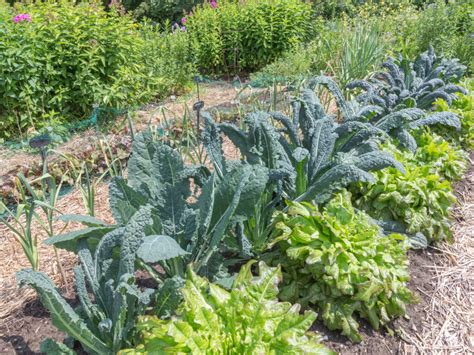
The foundation of effective seasonal meal planning begins before you even step into the kitchen. Take a regular inventory of your garden’s current yield and what’s on the horizon. What’s ripening now? What will be abundant next week? This foresight allows you to plan meals around peak seasonality. Create a simple spreadsheet or a handwritten list to track what you have, how much, and its estimated lifespan. This isn’t just about what you’ve picked; it’s about what you anticipate picking.
Maximize Freshness: The ‘Use It Up’ Approach
Once you know what you have, prioritize using the most perishable items first. Leafy greens, soft berries, and tender herbs have a shorter window. Design meals that feature these ingredients prominently in the first few days post-harvest. Think big salads, stir-fries, smoothies, or quick sautés. Consider ‘theme nights’ like a weekly “Garden Clean-Out Stir-fry” where you toss in whatever needs using up. Batch cooking components like roasted vegetables, cooked grains, or a large pot of bean soup can also make subsequent meals much faster, utilizing a large volume of produce at once.
Extend the Bounty: Strategic Preservation Techniques
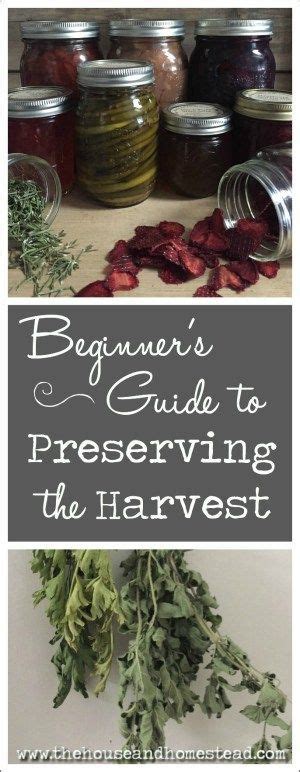
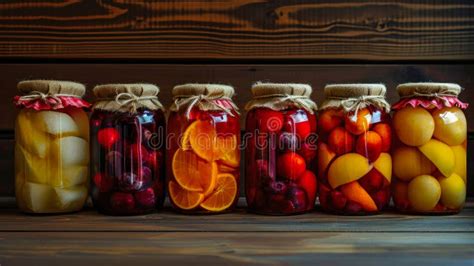
When the harvest is truly abundant, preservation becomes your best friend. Don’t feel pressured to eat everything fresh! Integrate preservation methods into your meal planning strategy. This might include blanching and freezing vegetables, making tomato sauce for canning, drying herbs, or pickling cucumbers and beans. Dedicate specific blocks of time each week or month to processing your surplus. These preserved items then become invaluable ingredients for your off-season meal planning, allowing you to enjoy your garden’s flavors year-round.
Flexible Frameworks for Adaptable Planning
Traditional rigid meal plans often fall apart when dealing with the unpredictable nature of a garden. Instead, adopt a flexible framework. Plan around categories rather than specific recipes. For example, Monday: “Pasta with Garden Veggies,” Tuesday: “Grain Bowl with Roasted Produce,” Wednesday: “Soup/Stew featuring X.” This allows you to swap in whatever vegetables are most abundant or need using. Keep a master list of adaptable recipes that can accommodate various seasonal produce. Embrace improvisation and view your garden’s harvest as an inspiration, not a limitation.

Embrace Creativity and Recipe Adaptation
Don’t be afraid to deviate from recipes or invent your own. If a recipe calls for spinach but you have an abundance of Swiss chard, make the swap! Understand the fundamental roles ingredients play (e.g., leafy green, crunchy root vegetable, sweet fruit) and experiment with substitutions. Keep a culinary journal to note successful adaptations or new favorite combinations. This creative approach not only makes meal planning more exciting but also significantly reduces food waste and ensures you’re always making the most of your garden’s unique offerings.

The Sustainable and Delicious Reward
Seasonal meal planning with garden produce is more than just a logistical exercise; it’s a journey into more sustainable, flavorful, and mindful eating. By understanding your harvest, employing smart preservation, and adopting a flexible approach, you can transform the challenge of abundance into a year-long celebration of fresh, homegrown food. It’s a method that not only nourishes your body but also connects you more deeply to the rhythms of nature and the incredible bounty of your own backyard.