What’s the best method to season cast iron skillets naturally?

Unlock the Secret to a Perfect Non-Stick Surface
Seasoning a cast iron skillet is the cornerstone of its performance and longevity. It’s the process of baking thin layers of oil onto the surface, which polymerizes into a natural, slick, non-stick coating. While there are many methods, achieving a naturally seasoned skillet relies on consistency, the right oil, and proper heat application. This guide will walk you through the most effective natural method to transform your skillet into a culinary workhorse.

Understanding the Science of Natural Seasoning
At its heart, natural seasoning is about polymerization. When certain oils are heated past their smoke point, their fatty acids break down and then reform into a hard, plastic-like substance that bonds to the iron. This isn’t just about preventing rust; it’s about creating a smooth cooking surface that releases food easily and imparts a unique flavor profile to your dishes.
Choosing the Right Oil for Natural Seasoning
The type of oil you choose is crucial for effective natural seasoning. You want an oil with a relatively high smoke point and good polymerization properties. Here are some of the best natural options:
- Flaxseed Oil: Often lauded as the gold standard, flaxseed oil (linseed oil) forms an incredibly hard and durable seasoning layer due to its high omega-3 content, which is excellent for polymerization. However, it can be more expensive and some find it more prone to flaking if applied too thickly.
- Grapeseed Oil: A fantastic all-rounder, grapeseed oil has a high smoke point and a neutral flavor. It creates a strong, even layer of seasoning and is readily available.
- Vegetable Oil (Soybean or Canola): These are economical and effective choices. They have good smoke points and polymerize well, making them popular for everyday seasoning.
- Crisco (Vegetable Shortening): While not a liquid oil, solid vegetable shortening is a traditional favorite. It’s easy to apply and creates a very robust, even seasoning.
Avoid olive oil or butter for initial seasoning, as their low smoke points can lead to gummy, sticky layers rather than a hard, polymerized coating.

Step-by-Step Guide to Natural Cast Iron Seasoning
This method focuses on creating multiple thin, even layers for the best results.
1. Clean Your Skillet Thoroughly
- If it’s a new, unseasoned skillet, wash it with warm water and soap (yes, soap is okay for initial cleaning!). Use a stiff brush or sponge to remove any factory coating or residue.
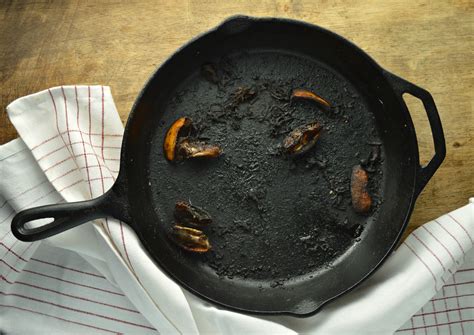
- For a rusty or existing skillet with sticky residue, you might need to use steel wool or a scraper to get down to bare metal. Consider an abrasive paste of coarse salt and a little oil for a natural scrub.
- Rinse thoroughly and dry immediately. It’s crucial to get it completely dry to prevent rust. You can place it on a burner over low heat for a few minutes to ensure all moisture has evaporated.
2. Apply a Very Thin Layer of Oil
- Once dry and slightly warm, apply about a teaspoon of your chosen oil to the entire skillet – inside, outside, handle, and bottom.
- Using a paper towel, vigorously wipe away all excess oil. You want it to look like there’s no oil left, just a faint sheen. This is the most critical step; too much oil will result in a sticky, gummy seasoning layer.
3. Bake Your Skillet Upside Down
- Preheat your oven to a temperature between 450°F (232°C) and 500°F (260°C).
- Place the oiled skillet upside down on the middle rack. This allows any remaining excess oil to drip off, preventing puddling.
- Place aluminum foil or an old baking sheet on the bottom rack to catch any drips.
- Bake for one hour. During this time, the oil will polymerize, bonding to the cast iron.
4. Cool and Repeat
- After one hour, turn off the oven and let the skillet cool completely inside the oven. This slow cooling helps the seasoning layer set properly.
- Once cool enough to handle, remove the skillet. It should have a slightly darker, less greasy appearance.
- Repeat steps 4 through 11 at least 3-5 times for a robust initial seasoning. More layers mean better non-stick properties and durability.

Maintaining Your Naturally Seasoned Skillet
The seasoning process doesn’t end after the initial layers. Every time you cook with fat (especially shallow or deep frying) and clean your skillet properly, you contribute to its seasoning. To maintain its natural non-stick surface:
- Cook with Fat: Regularly cook foods that use oil or fat, especially in the early stages.
- Avoid Harsh Soaps (Mostly): For everyday cleaning, hot water and a stiff brush or scraper are usually sufficient. If you use a tiny bit of mild soap, ensure you rinse and dry thoroughly immediately.
- Dry Thoroughly: Always dry your skillet completely after washing. You can place it on a stovetop burner over low heat for a few minutes until all moisture evaporates.
- Light Re-oiling: After drying, apply a very thin layer of cooking oil (e.g., grapeseed or vegetable oil) to the inside of the skillet before storing. Wipe away any excess.
By following these steps, you’ll develop a naturally seasoned cast iron skillet that will be a joy to cook with for generations, offering superior non-stick performance without the need for synthetic coatings.