What’s the best natural weed control for a productive vegetable garden?

Why Natural Weed Control Matters for Your Edibles
Maintaining a productive vegetable garden requires diligent effort, and one of the most persistent challenges gardeners face is weed control. While chemical herbicides offer a quick fix, they pose risks to soil health, beneficial insects, and the very food you’re growing. Embracing natural weed control methods is not only safer but also fosters a more robust and sustainable garden ecosystem. The best approach integrates several strategies, focusing on prevention and targeted removal to keep your vegetable beds thriving.
Proactive Prevention: The First Line of Defense
The most effective weed control starts with prevention. By creating an environment where weeds struggle to establish, you significantly reduce the amount of work needed later.
Healthy Soil and Proper Spacing
- Start with Clean Beds: Before planting, thoroughly clear your beds of existing weeds, especially perennial varieties with deep roots.
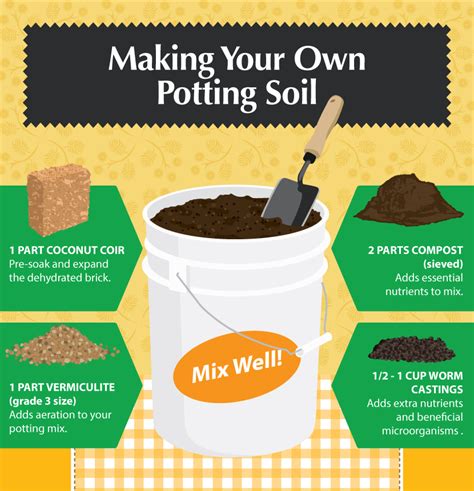
- Improve Soil Health: Healthy, well-aerated soil amended with compost encourages strong vegetable growth, allowing your desired plants to outcompete nascent weeds.
- Optimal Plant Spacing: Planting vegetables at their recommended spacing allows them to grow robustly and create a canopy that shades the soil, discouraging weed seed germination.
Mulching: The Ultimate Barrier
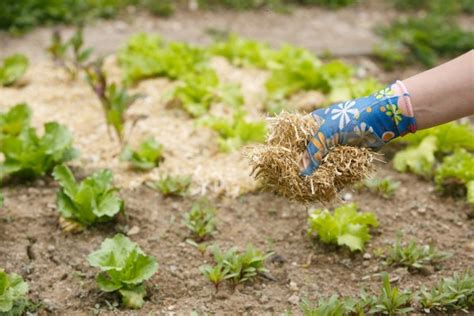
Mulch is arguably the single most effective natural weed control method. It blocks sunlight, preventing weed seeds from germinating, and suppresses existing weeds. Furthermore, organic mulches improve soil structure, conserve moisture, and regulate soil temperature.
- Organic Mulches: Straw, shredded leaves, grass clippings (ensure they’re free of herbicides), aged wood chips, or pine needles are excellent choices. Apply a layer 2-4 inches thick around your vegetable plants.
- Inorganic Mulches: Black plastic or landscape fabric can be used, particularly for heat-loving plants like tomatoes or peppers, but ensure good drainage and aeration. They are less beneficial for soil health than organic options.
Active Control Methods: When Weeds Emerge
Despite best efforts, some weeds will inevitably appear. Quick and consistent action is key to preventing them from taking over.
Hand Weeding: Simple and Effective
For smaller gardens or specific areas, hand weeding remains the most precise method. It allows you to target weeds without disturbing your vegetables. The best time to hand weed is after rain or watering when the soil is soft, making it easier to pull weeds out roots and all. Focus on removing weeds before they go to seed.
Hoeing: For Larger Areas
A sharp hoe can quickly clear larger garden areas of young weeds. Use a shallow hoeing technique to sever weed roots just below the soil surface, disturbing the soil as little as possible to avoid bringing new weed seeds to the surface. “Weed in haste, repent at leisure” – frequent, light hoeing is more effective than infrequent, deep hoeing.
Smart Gardening Strategies
Cover Crops: Suppress and Enrich
In unused garden beds or between growing seasons, cover crops like clover, vetch, or buckwheat can be incredibly beneficial. They suppress weeds by outcompeting them for space and light, while also adding organic matter and nutrients to the soil when tilled under. This prepares your beds for the next planting season, creating a healthier, less weed-prone environment.

Crop Rotation and Garden Layout
Rotating your vegetable crops each season can disrupt weed cycles specific to certain plants. Additionally, thoughtful garden layout, perhaps incorporating raised beds or permanent paths, can reduce the area available for weeds to take hold.
Advanced Natural Tactics
Sheet Mulching (Lasagna Gardening)
For establishing new beds or reclaiming overgrown areas, sheet mulching (or “lasagna gardening”) is an excellent long-term solution. Layering cardboard, newspapers, organic matter, and compost smothers existing weeds and builds rich soil over time. This method significantly reduces future weed pressure.

Solarization (for severe issues)
In cases of extreme weed infestations or persistent soil-borne pathogens, solarization can be a powerful tool. Covering a prepared bed with clear plastic sheeting during the hottest months can heat the soil to temperatures lethal to weed seeds and existing weeds. This method requires a few weeks of intense sun and should be used judiciously, as it can also impact beneficial soil organisms.
Conclusion: Consistency is Key
The ‘best’ natural weed control for a productive vegetable garden isn’t a single technique but rather an integrated approach. By combining proactive prevention through mulching and healthy soil practices with consistent manual removal and smart gardening strategies like cover cropping, you can effectively minimize weed competition. The key is consistency and observation; address weeds when they are small and before they have a chance to set seed. Embrace these natural methods, and you’ll cultivate a thriving, productive, and truly organic garden that provides bountiful harvests year after year.