What’s the best naturally rot-resistant wood for DIY raised garden beds?

Building Long-Lasting Raised Garden Beds: The Quest for Rot-Resistant Wood
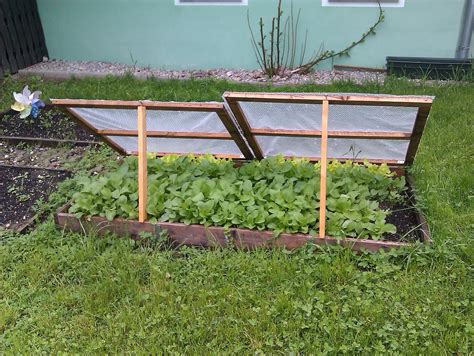
Creating your own raised garden beds is a rewarding DIY project, offering benefits from improved soil drainage to easier access for planting and harvesting. However, one of the most critical decisions you’ll face is choosing the right material, especially wood that can withstand constant exposure to moisture, soil, and fluctuating temperatures without succumbing to rot. While treated lumber is an option, many gardeners prefer natural, chemical-free alternatives, especially when growing edibles. Fortunately, nature provides several species of wood with inherent resistance to decay, making them ideal for a durable, beautiful, and food-safe raised garden bed.
Top Naturally Rot-Resistant Wood Species
When selecting wood for your raised garden beds, the key is to look for species known for their dense cellular structure and natural oils, which deter insects and fungal decay. Here are some of the best natural options:
1. Western Red Cedar
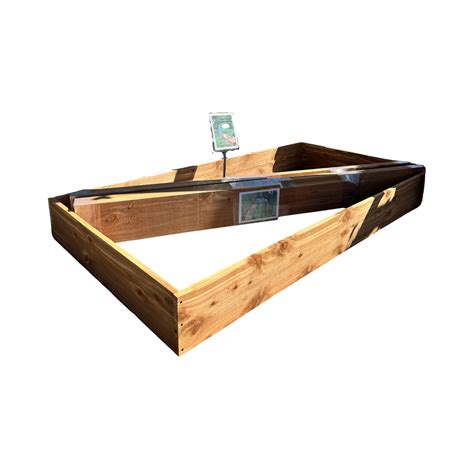
Western Red Cedar is perhaps the most popular choice for raised garden beds, and for good reason. It boasts exceptional natural resistance to rot, decay, and insect infestation due to its unique aromatic oils (thujaplicins). It’s lightweight, easy to work with, and readily available in many regions. Its beautiful reddish-brown hue weathers to a soft silvery-gray over time. While not the cheapest option, its longevity makes it a worthwhile investment, often lasting 15-20 years or more.
2. Redwood
Similar to Western Red Cedar, Redwood is highly prized for its incredible durability and resistance to rot and insects. It contains natural tannins that protect it from decay, making it an excellent choice for outdoor applications, including garden beds. Redwood is known for its beautiful rich red color and straight grain. It is generally more expensive and less sustainable to source responsibly outside of specific regions (like California) compared to cedar, so availability and environmental impact should be considered.
3. Black Locust
Often considered one of the most rot-resistant woods available, Black Locust is incredibly dense and durable. It contains high levels of natural preservatives, making it virtually impervious to decay, even in ground contact. It’s often compared to tropical hardwoods in terms of longevity, with some structures lasting 50 years or more. The downside is that Black Locust can be challenging to find as milled lumber and is very hard to work with due to its density. It’s also known for its thorns, so handling raw timber requires care.

4. Cypress
Cypress, particularly Bald Cypress, contains cypressene, a natural preservative oil that provides excellent resistance to rot and insects. It’s especially durable in wet conditions, making it a strong contender for garden beds. Cypress is relatively easy to work with and has an attractive light brown color that ages gracefully. Availability largely depends on your geographic location, being more common in the southeastern United States.
5. White Oak
While not as commonly marketed for raised beds as cedar or redwood, White Oak possesses significant natural rot resistance due to its dense cellular structure and high tannin content. It’s durable and strong, though it can be harder to work with than cedar. Like Black Locust, sourcing high-quality, sustainably harvested White Oak lumber might require more effort but offers a long-lasting solution.

Factors to Consider When Choosing Your Wood
- Cost: Naturally resistant woods are generally more expensive than untreated pine or chemically treated lumber. Balance your budget with desired longevity.
- Availability: Some species, like Redwood, are regionally specific, while others, like Black Locust, might be harder to find as milled lumber.
- Sustainability: Look for wood certified by organizations like the Forest Stewardship Council (FSC) to ensure it was harvested responsibly.
- Workability: Consider how easy the wood is to cut, drill, and fasten. Cedar and Cypress are generally easier than Black Locust or White Oak.
- Aesthetics: Each wood has a unique color and grain that will contribute to the overall look of your garden.
Tips for Extending the Life of Your Raised Garden Beds
Even with naturally rot-resistant wood, you can take steps to further extend the life of your raised beds:
- Ensure Good Drainage: Prevent standing water inside or around your beds. Use a layer of gravel or hardware cloth at the bottom if needed.
- Avoid Direct Ground Contact: Elevate the bed slightly on pavers or a gravel base to prevent the wood from sitting directly on damp soil.
- Line the Interior: While not strictly necessary for naturally resistant woods, lining the inside with a breathable landscape fabric or pond liner (punched for drainage) can create an extra barrier between the moist soil and the wood. Avoid using plastic sheeting that traps moisture.
- Use Appropriate Fasteners: Opt for stainless steel or galvanized screws and hardware to prevent rust stains and ensure secure construction that won’t degrade over time.
Conclusion
Choosing a naturally rot-resistant wood is a smart investment for your DIY raised garden beds, offering years of gardening enjoyment without the concern of chemical leaching or premature decay. Western Red Cedar and Redwood are excellent all-around choices for their balance of availability, workability, and durability. For extreme longevity, Black Locust stands out, while Cypress and White Oak offer compelling regional alternatives. By selecting wisely and applying a few simple construction techniques, you can build beautiful, sustainable, and long-lasting raised beds that will enhance your garden for decades.