

What’s the best organic way to deter common garden pests from heirloom tomatoes?
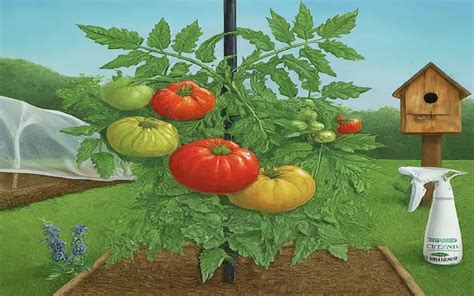
Heirloom tomatoes are a treasure in any country garden, offering unparalleled flavor and a connection to gardening heritage. However, these prized plants are often irresistible targets for a myriad of garden pests. Protecting them organically ensures a healthy harvest while maintaining your garden’s ecological balance. This guide explores the best natural strategies to keep your heirloom tomatoes thriving and pest-free.
Understanding Your Enemy: Common Heirloom Tomato Pests
Before you can effectively deter pests, it’s crucial to identify who you’re up against. Common culprits include:
- Tomato Hornworms: Large, green caterpillars that can defoliate a plant overnight.
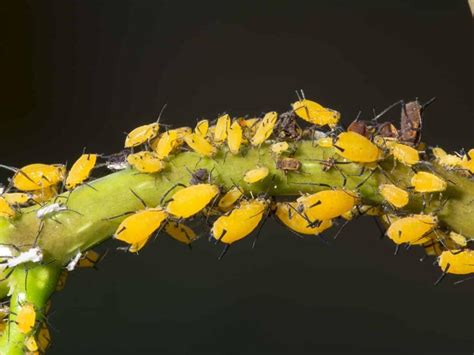
- Aphids: Tiny, sap-sucking insects found on new growth, often causing distorted leaves.
- Whiteflies: Small, white, winged insects that fly up in a cloud when disturbed, also sap-suckers.
- Slugs and Snails: Nocturnal munchers that leave ragged holes in leaves and fruit, especially near the ground.
- Stink Bugs and Leaf-Footed Bugs: Puncture fruit, leading to cloudy spots and sometimes rot.
The Power of Prevention: Organic Strategies
1. Companion Planting for Natural Deterrence
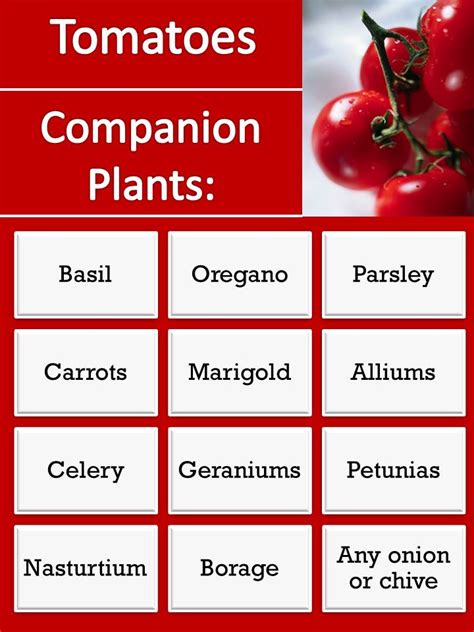
One of the most effective organic pest control methods is strategic companion planting. Certain plants naturally repel pests or attract beneficial insects that prey on them.
- Marigolds: Particularly French marigolds (Tagetes patula), release compounds from their roots that deter nematodes and other soil-borne pests. Their strong scent can also confuse flying insects.
- Basil: Planted near tomatoes, basil is said to deter whiteflies, hornworms, and thrips, and some gardeners claim it enhances tomato flavor.
- Borage: Attracts beneficial pollinators and predatory wasps, which prey on tomato hornworms. It’s also thought to improve tomato growth and disease resistance.
- Nettles: While not planted directly, a nettle tea spray can strengthen tomato plants and make them less susceptible to pests.
2. Physical Barriers and Traps
Sometimes, the simplest solutions are the best. Physical barriers can prevent pests from ever reaching your plants.
- Row Covers: Lightweight floating row covers can protect young tomato plants from early-season insect attacks, especially whiteflies and flea beetles, without blocking sunlight or air. Just remember to remove them when flowers appear to allow for pollination.
- Copper Tape/Diatomaceous Earth: For slugs and snails, a barrier of copper tape around raised beds or a sprinkle of food-grade diatomaceous earth around the base of plants can be highly effective. Diatomaceous earth works by dehydrating soft-bodied pests.
- Sticky Traps: Yellow sticky traps can help monitor and reduce populations of flying pests like whiteflies and fungus gnats.
3. Cultivating Beneficial Insects
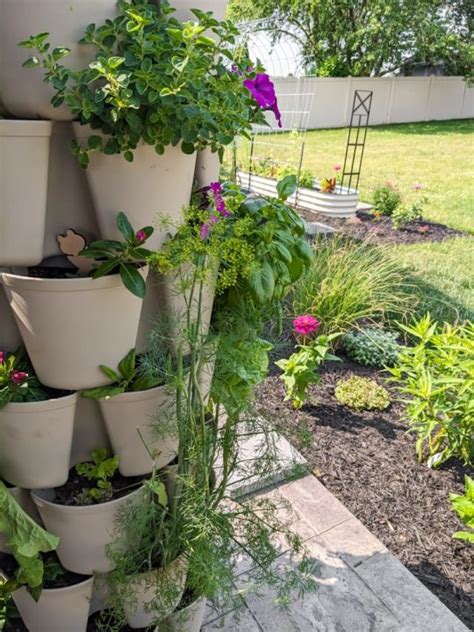
Your garden can be a thriving ecosystem where good bugs keep bad bugs in check. Attract predators like ladybugs (aphid eaters), lacewings (eat aphids, whiteflies, thrips), and parasitic wasps (target hornworms).
- Plant nectar-rich flowers: Dill, fennel, cilantro, cosmos, and sunflowers provide food and habitat for beneficial insects.
- Avoid broad-spectrum pesticides: These kill beneficial insects along with pests, disrupting your garden’s natural balance.
4. Organic Sprays and Remedies
When infestations occur, reach for organic solutions that are safe for your plants, pollinators, and family.
- Neem Oil: A powerful organic insecticide, fungicide, and miticide. It works as an antifeedant, repellent, and growth disruptor. Mix according to package directions and spray thoroughly, especially on the undersides of leaves.
- Insecticidal Soap: A simple solution of mild liquid soap (not detergent) and water can effectively smother soft-bodied pests like aphids and whiteflies. Test on a small area first to ensure it doesn’t harm your plants.
- Garlic Spray: A strong garlic infusion can act as a repellent for various pests. Crush garlic, steep in water, strain, and spray.
5. Good Garden Hygiene and Monitoring
Regular inspection and proactive maintenance are vital for organic pest control.
- Hand-Picking: For larger pests like tomato hornworms, hand-picking them off your plants is highly effective. Drop them into a bucket of soapy water.
- Pruning: Remove any diseased or heavily infested leaves and dispose of them away from the garden to prevent spread. Ensure good air circulation around plants to reduce fungal issues that can weaken plants and make them more susceptible to pests.
- Weed Control: Weeds can harbor pests and compete with your tomatoes for nutrients. Keep your garden beds clean.
- Crop Rotation: While tomatoes are often in the same spot for a few years, rotating other crops helps break pest cycles in your garden overall.
Conclusion
Protecting your heirloom tomatoes organically requires a multi-faceted approach, combining prevention with targeted intervention. By understanding your pests, harnessing the power of companion planting, encouraging beneficial insects, utilizing safe organic sprays, and maintaining good garden hygiene, you can enjoy a bountiful harvest of delicious, chemical-free heirloom tomatoes year after year. Embrace these country living principles for a truly sustainable and rewarding gardening experience.