
What’s the best rot-proof wood for DIY raised garden beds?
Building Lasting Raised Garden Beds: Why Rot-Proof Wood Matters
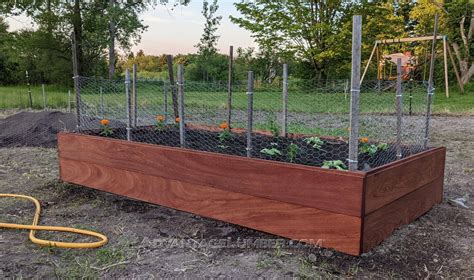
Creating your own raised garden beds is a rewarding DIY project, offering benefits from improved soil drainage to easier weed control. However, one of the most critical decisions you’ll make for the longevity of your raised bed is selecting the right lumber. Wood constantly exposed to soil, moisture, and varying weather conditions is highly susceptible to rot and decay. Investing in rot-proof wood from the outset ensures your garden bed will stand strong for many seasons, protecting your plants and your hard work.
Understanding Wood Rot and Resistance
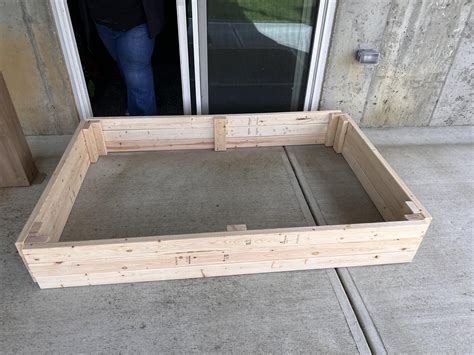
Wood rot is primarily caused by fungi that thrive in moist conditions, breaking down wood fibers. Not all wood is created equal in its resistance to this process. Some wood species naturally contain oils and compounds that act as fungicides and insecticides, making them inherently more durable and resistant to decay without chemical treatment. When selecting wood for a raised bed, especially one intended for growing edibles, natural resistance is often preferred over chemically treated options to avoid potential leaching into the soil.
Top Naturally Rot-Resistant Wood Choices
Here are some of the best naturally rot-proof wood species for DIY raised garden beds:
Cedar
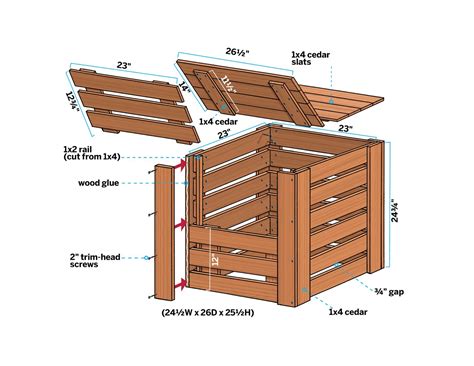
Often considered the gold standard for raised beds, cedar is lightweight, easy to work with, and aesthetically pleasing. Its natural oils (thujaplicins) provide excellent resistance to rot, decay, and insect infestation. Western Red Cedar is particularly prized for its durability. While more expensive than common pine, its longevity often justifies the initial cost, typically lasting 15-20 years or more.
Redwood
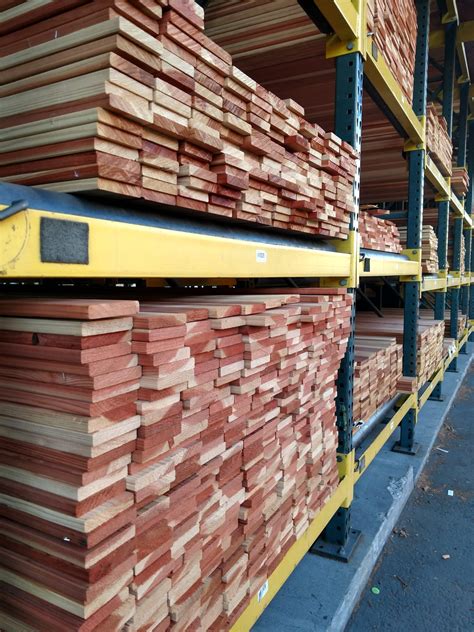
Similar to cedar, redwood boasts exceptional natural rot and insect resistance due to its high tannin content. It’s a beautiful wood, often chosen for its rich color and impressive durability, potentially lasting even longer than cedar. However, redwood is generally more expensive and sourcing it sustainably can be a concern, making it a premium choice where available.
Black Locust
For unparalleled durability and sustainability, black locust is an outstanding, albeit lesser-known, option. It is one of the hardest and most naturally rot-resistant woods in North America, often compared to tropical hardwoods in terms of longevity. Black locust can last 50 years or more in ground contact without any treatment. The downsides are its hardness, which makes it challenging to work with, and its limited availability, often requiring sourcing from specialty sawmills.
Cypress
Cypress, particularly old-growth bald cypress, contains cypressene, a natural preservative oil that makes it highly resistant to rot and insects. Newer growth cypress still offers good resistance, though perhaps not as extreme as old growth. It’s a durable and beautiful wood, often a more affordable alternative to cedar and redwood in regions where it’s native.
Juniper
Less common for lumber, but highly effective for rot resistance, juniper wood is incredibly dense and aromatic. It possesses natural compounds that provide excellent decay resistance, making it suitable for garden beds. It can be challenging to find in standard lumber dimensions and may be knotty, but it’s a very durable and sustainable option in areas where it grows.
A Note on Treated Lumber
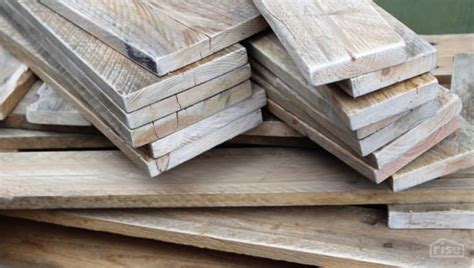
While chemically pressure-treated lumber is highly rot-resistant and cost-effective, its use in raised garden beds, especially for growing edible plants, is often a point of contention. Older treated woods contained chromated copper arsenate (CCA), which is no longer used for residential applications due to health concerns. Modern treated lumber typically uses alkaline copper quaternary (ACQ) or micronized copper azole (MCA). While manufacturers claim these are safe for gardening, some gardeners prefer to err on the side of caution and avoid direct soil contact for food crops to prevent any potential chemical leaching. If you do opt for treated lumber, consider lining the bed with a durable, food-safe plastic barrier.
Other Factors to Consider
- Cost: Naturally rot-resistant woods are an investment. Balance your budget with the desired lifespan of your bed.
- Sourcing: Availability varies by region. Check local lumberyards or specialty suppliers.
- Sustainability: Prioritize woods harvested from sustainably managed forests or local, fast-growing species.
- Ease of Work: Softer woods like cedar are easier to cut and drill than harder woods like black locust.
Conclusion: Making Your Best Choice
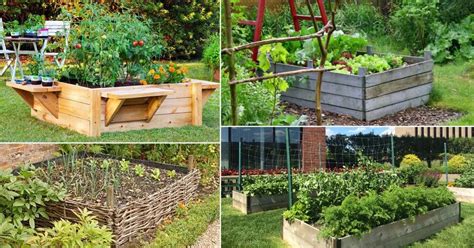
The “best” rot-proof wood for your DIY raised garden bed ultimately depends on your priorities: budget, longevity expectations, availability, and aesthetic preference. For most home gardeners, Western Red Cedar offers an excellent balance of rot resistance, workability, and appearance. If budget allows and sustainability can be assured, redwood is a top-tier choice. For ultimate, decades-long durability and a commitment to natural materials, seek out black locust. Whichever wood you choose, ensuring it’s naturally resistant to decay will lay the foundation for a productive and enduring raised garden for years to come.