What’s the best way to preserve excess garden tomatoes naturally, beyond canning?

The peak of tomato season brings a glorious abundance to every country garden – vibrant reds, sunny yellows, and deep purples hang heavy on the vines. While nothing beats a fresh-picked tomato, even the most avid fan can find themselves overwhelmed by the sheer volume. For those seeking natural preservation methods beyond the time-honored tradition of canning, a world of flavorful alternatives awaits. These techniques not only extend your harvest but often create unique culinary delights, ready to be enjoyed throughout the year.
Freezing: Simplicity and Versatility
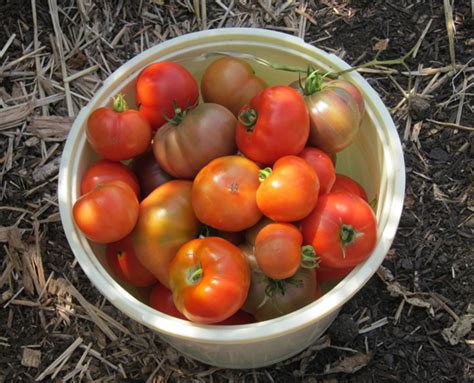
Freezing is arguably the easiest and most straightforward method for preserving tomatoes, requiring minimal equipment and effort. It’s perfect for capturing the fresh flavor of your harvest for use in soups, stews, sauces, and chili during colder months.
For whole or chopped tomatoes, simply wash and core them. You can peel them if desired (a quick blanch in boiling water makes skins slip off easily), but it’s not strictly necessary for most uses. Place them on a baking sheet in a single layer to flash freeze for an hour or two, then transfer to freezer-safe bags or containers. This prevents them from clumping together, allowing you to grab just what you need.
Alternatively, you can purée or crush tomatoes, perhaps adding a touch of lemon juice for acidity, and freeze them in ice cube trays or larger freezer containers. Once frozen solid, pop out the cubes and store them in bags for convenient portioning.
Drying: Concentrated Flavor and Long Shelf Life
Drying tomatoes concentrates their sugars and flavors, transforming them into intensely savory sun-dried treasures perfect for salads, pasta dishes, or snacking. This method is an excellent way to use up even slightly imperfect fruit.
Traditional sun-drying requires warm, dry, sunny weather and good air circulation. Halve your tomatoes (plum or Roma varieties work best), remove seeds if desired, and arrange them cut-side up on screens or racks. Cover with netting to protect from insects and dry for several days, bringing them in at night to prevent dew accumulation. They are done when leathery and pliable, not brittle.

If sun-drying isn’t feasible, an oven set to its lowest temperature (150-200°F or 65-93°C) with the door slightly ajar, or a food dehydrator, works beautifully. This process can take anywhere from 6 to 12 hours, depending on the tomato size and moisture content. Once dried, store them in airtight containers, optionally submerged in olive oil with herbs for an extra flavor boost.
Roasting and Freezing: Deep Umami Notes
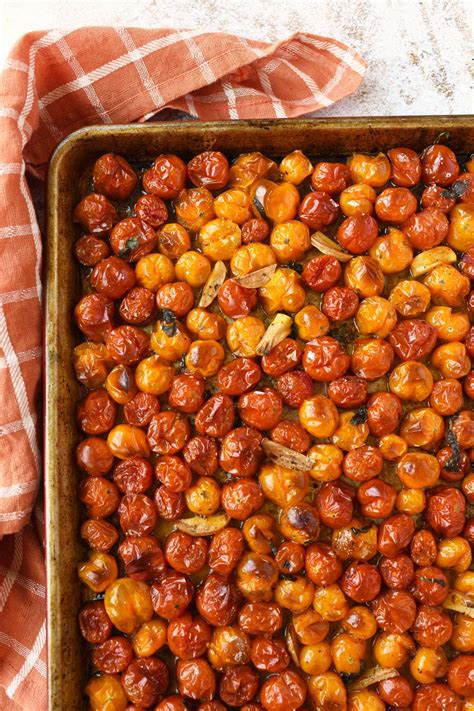
Roasting tomatoes before freezing brings out a profound depth of flavor and sweetness, perfect for rich sauces, pizzas, or a side dish. The caramelization enhances their natural umami.
Halve or quarter your tomatoes, toss with a little olive oil, salt, pepper, and perhaps some garlic or herbs. Roast them on a baking sheet at 350-400°F (175-200°C) until softened and slightly caramelized, about 30-45 minutes. Allow them to cool completely, then pack into freezer bags or containers, along with any delicious pan juices. These roasted gems can be used directly from the freezer in many recipes.
Making and Freezing Sauces, Pastes, and Soups
Transforming your fresh tomatoes into ready-to-use sauces, pastes, or even pureed soups before freezing is a huge time-saver. This pre-processing allows you to customize flavors and textures to your liking.
Cook down your tomatoes with onions, garlic, herbs, and spices to create a rustic marinara, a thick paste, or a smooth soup base. Reduce the mixture until it reaches your desired consistency. Once cooled, portion the finished product into freezer-safe containers or bags, leaving headspace for expansion. Frozen tomato products can last for many months, providing a taste of summer long after the season ends.
Fermenting: A Taste of Ancient Preservation
While less common for whole tomatoes, fermentation offers a unique way to preserve tomatoes in the form of salsas, relishes, or even fermented tomato juice. This ancient method introduces beneficial probiotics and develops complex, tangy flavors.
For fermented salsa, chop tomatoes and other vegetables (onions, peppers, cilantro), mix with salt, and pack into a clean jar, ensuring all solids are submerged under brine (often just the liquid released by the vegetables themselves, or added saltwater). A fermentation weight helps keep everything down. Ferment at room temperature for several days to a week, then store in the refrigerator. The resulting product is alive with flavor and good bacteria.

Conclusion: Savoring Your Harvest Year-Round
The bounty of garden tomatoes doesn’t have to be a fleeting pleasure confined to a few summer weeks. By exploring natural preservation methods beyond canning, you can ensure that the vibrant taste of your harvest enriches your cooking throughout the entire year. Whether you choose the simplicity of freezing, the intense flavor of drying, the deep notes of roasting, the convenience of pre-made sauces, or the tang of fermentation, each method offers a unique way to savor your homegrown treasures. Experiment with these techniques to discover your favorites and transform your garden’s generosity into year-round culinary delight.