
What’s the best way to preserve excess garden tomatoes without canning?
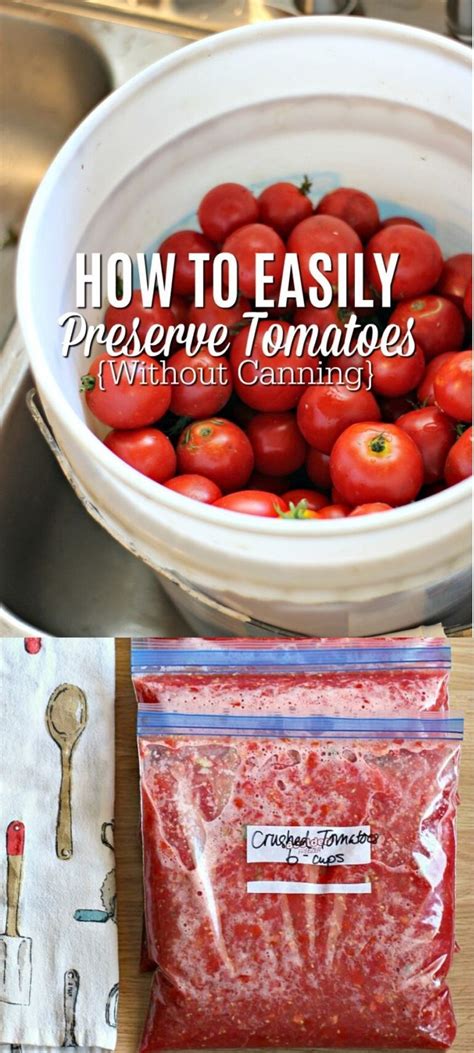
The bounty of a flourishing tomato plant is one of gardening’s greatest rewards, but often leads to a delightful dilemma: what to do with all those ripe, juicy tomatoes? While canning is a traditional method, it’s not the only way to ensure your harvest lasts through the colder months. Many excellent techniques allow you to preserve your tomatoes without specialized equipment or extensive processing. Let’s explore the best ways to keep that garden-fresh flavor alive.
Freezing Tomatoes: The Simplest Method
Freezing is arguably the easiest and most versatile way to preserve tomatoes without canning. It requires minimal preparation and works well for almost any type of tomato.
Whole or Halved Tomatoes
For whole or halved tomatoes, a quick blanching (dipping in boiling water for 30-60 seconds, then immediately in ice water) can make peeling easier, but it’s not strictly necessary. You can freeze them with skins on and easily remove the skins after thawing. Simply wash and dry your tomatoes, remove cores, and arrange them in a single layer on a baking sheet. Freeze until solid, then transfer to freezer-safe bags or containers. This prevents them from sticking together, allowing you to grab just a few at a time.
Pureed or Sauced Tomatoes
To save space and for future cooking convenience, you can also wash, core, and roughly chop tomatoes, then simmer them for a short period until softened. Blend them into a puree or chunky sauce, cool completely, and then freeze in freezer-safe bags, ice cube trays (for smaller portions), or containers. This is perfect for soups, stews, and future pasta sauces.

Dehydrating Tomatoes: Concentrated Flavor
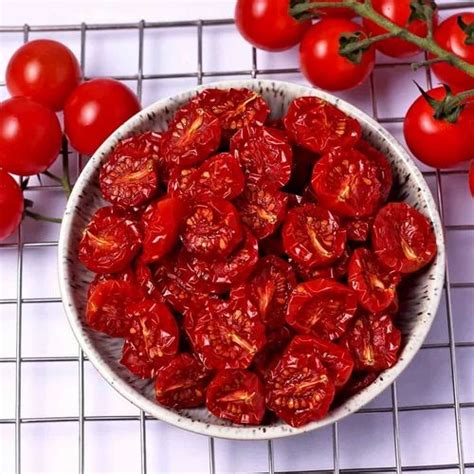
Dehydrating concentrates the natural sugars and flavors in tomatoes, turning them into savory, chewy delights that are perfect for snacking, adding to salads, or rehydrating for sauces and stews.
Using a Dehydrator or Oven
Wash and slice tomatoes thinly (about 1/4 inch thick). For smaller varieties like cherry tomatoes, cut them in half. Remove as many seeds and as much liquid as possible to speed up drying. Arrange the slices on dehydrator trays or baking sheets lined with parchment paper (if using an oven). Set your dehydrator to 125-135°F (52-57°C) or your oven to its lowest setting (usually around 150-200°F or 65-93°C), leaving the oven door slightly ajar for air circulation. Dry until leathery and pliable, but not brittle, which can take anywhere from 8-18 hours depending on thickness and humidity.
Storage
Once completely cool, store dehydrated tomatoes in airtight containers in a cool, dark place. For longer preservation, you can also pack them in olive oil in the refrigerator, ensuring they are fully submerged.
Making Sauces, Pastes, and Ketchup
Transforming your excess tomatoes into ready-to-use sauces, pastes, or even ketchup is a delicious way to preserve them. These can then be frozen for long-term storage.
Homemade Tomato Sauce
Wash, core, and chop a large batch of tomatoes. Simmer them down in a large pot until they break down and thicken. You can add onions, garlic, herbs, and seasonings to taste. For a smoother sauce, pass the cooked tomatoes through a food mill or blend. Continue to simmer until desired consistency is reached. Cool completely and then freeze in portions suitable for your family’s meals.
Rich Tomato Paste
For tomato paste, you’ll need to cook the sauce down much further until it’s very thick and concentrated. Spread it thinly on parchment-lined baking sheets and continue drying in a low oven until it reaches a paste-like consistency. Scrape and store small portions in ice cube trays in the freezer, then transfer to freezer bags.
Oven-Drying Tomatoes (Slow Roasting)
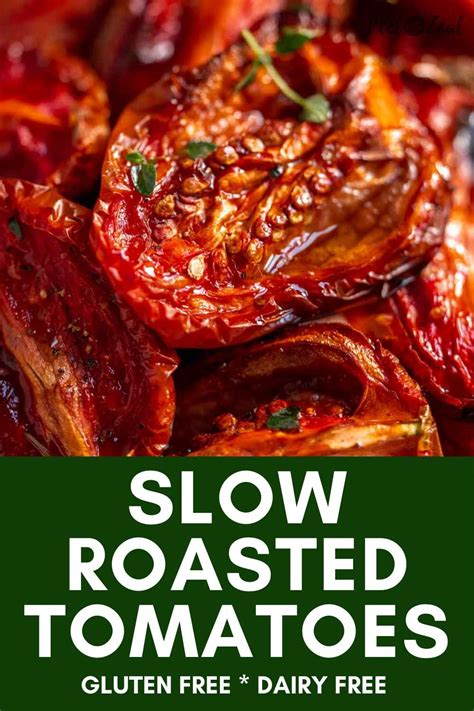
Similar to dehydrating but often done with olive oil and herbs, oven-drying or slow-roasting tomatoes yields intensely flavorful, jammy results.
The Technique
Halve or quarter tomatoes (Roma or paste tomatoes work exceptionally well for this). Toss them with olive oil, salt, pepper, and herbs like oregano or thyme. Arrange cut-side up on a baking sheet. Roast in a low oven (around 200-250°F or 93-121°C) for several hours (3-6 typically), until they have shrunk considerably, are slightly shriveled, and are deeply colored but still pliable and moist.
Storage
Once cooled, these oven-dried tomatoes can be stored in an airtight container in the refrigerator for up to a week. For longer preservation, pack them into clean jars, cover completely with olive oil (ensure no air bubbles), and refrigerate for several weeks. You can also freeze them in freezer bags or containers.
Other Creative Uses & Storage Tips
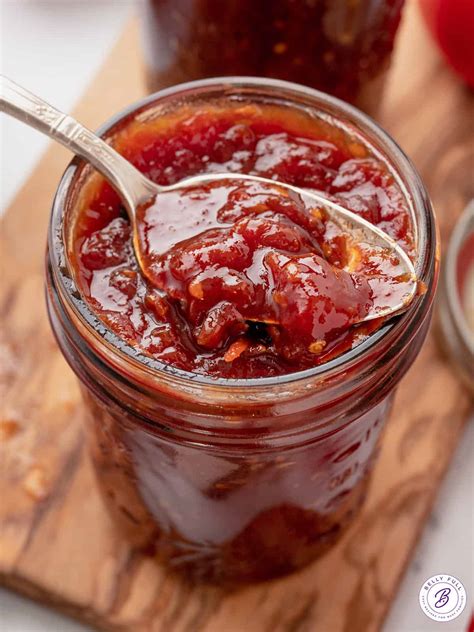
- Tomato Jam/Marmalade: While not a preservation method for raw tomatoes, making a savory or sweet tomato jam can be a delicious way to use up a large batch. Store in the refrigerator.
- Fermentation: For the adventurous, fermenting tomatoes into salsa or even a fermented tomato juice can be an exciting way to preserve them, adding beneficial probiotics. These typically need refrigeration after active fermentation.
- Freeze-Drying: If you have access to a freeze-dryer, this is an excellent method for preserving whole or sliced tomatoes, retaining nearly all nutrients and flavor, and allowing for long-term pantry storage.
Whichever method you choose, remember that proper cooling before freezing and using airtight containers are key to preventing freezer burn and maintaining quality. By employing these no-canning techniques, you can enjoy the exquisite taste of your garden tomatoes long after the season ends, bringing a burst of summer flavor to your meals year-round.