What’s the best way to preserve fresh garden herbs for winter cooking?

As summer wanes and the chill of autumn approaches, many home gardeners face the bittersweet reality of their vibrant herb patches winding down. The good news is that with a little foresight and effort, you can extend the life of your fresh herbs, capturing their peak flavor for delicious winter cooking. There are several excellent methods, each suited to different types of herbs and culinary uses. Let’s explore the best ways to preserve your garden’s fragrant treasures.
Freezing Herbs: Capturing Freshness
Freezing is arguably the best method for preserving the fresh flavor and vibrant color of many tender herbs, such as basil, parsley, cilantro, mint, and chives. Unlike drying, freezing retains more of the herb’s essential oils, making it a superior choice for those delicate aromas. There are a couple of popular techniques.
One common method involves chopping your herbs finely and packing them into ice cube trays. Cover them with water, olive oil, or even melted butter, then freeze until solid. Once frozen, pop the cubes out and transfer them to a freezer-safe bag or container. These pre-portioned cubes are perfect for tossing directly into soups, stews, sauces, or stir-fries.

Alternatively, some herbs like dill or parsley can be frozen whole or roughly chopped on a baking sheet, then transferred to a freezer bag once solid. This prevents them from clumping together and allows you to grab a pinch as needed.
Drying Herbs: The Traditional Approach
Drying is a time-honored preservation technique, particularly effective for woody herbs like rosemary, thyme, oregano, marjoram, and bay leaves. While drying can diminish some of the nuanced flavors of tender herbs, it concentrates the essential oils in tougher varieties, often making their flavor more potent than fresh.
Air drying is the simplest method. Gather small bunches of herbs, tie them at the stem with twine, and hang them upside down in a warm, dry, well-ventilated area away from direct sunlight. They typically dry in one to three weeks. Alternatively, a food dehydrator offers a faster, more controlled drying environment. Lay herbs in a single layer on trays and follow your dehydrator’s instructions. A low oven setting (around 100-120°F / 40-50°C) with the door slightly ajar can also work, but requires careful monitoring to prevent baking the herbs.

Once completely dry and brittle, remove the leaves from the stems and store them in airtight containers, away from light and heat. Properly dried herbs can last for up to a year, ready to infuse your winter dishes with their robust aroma.
Infusing Oils and Making Pestos: Flavorful Solutions
For a truly gourmet way to preserve herbs, consider infusing them into oils or transforming them into pestos. Herb-infused oils are fantastic for salad dressings, dipping bread, or finishing dishes. Robust herbs like rosemary, thyme, and oregano work wonderfully. Gently warm the herbs in olive oil, let them steep, then strain and store in a cool, dark place. Be mindful of botulism risk when infusing fresh herbs in oil; always store such oils in the refrigerator and use them within a few weeks, or consider acidification to prevent bacterial growth.
Pesto is another brilliant preservation method, especially for basil, but can also be made with parsley, cilantro, or a mix of greens. Blend your chosen herbs with garlic, nuts (pine nuts, walnuts), Parmesan cheese, and olive oil. Store pesto in airtight containers in the refrigerator with a thin layer of olive oil on top to prevent browning, or freeze it in ice cube trays for individual portions.
Other Creative Preservation Methods
Don’t stop at freezing and drying! There are other inventive ways to save your herb harvest. Make herb vinegars by steeping fresh herbs in white wine or apple cider vinegar for a few weeks, then straining. These add a delightful zing to dressings and marinades. Compound butters, made by mixing finely chopped herbs into softened butter, can be rolled into logs, wrapped, and frozen. Simply slice off a medallion to melt over steak, vegetables, or warm bread.

Choosing the Best Method for Your Herbs
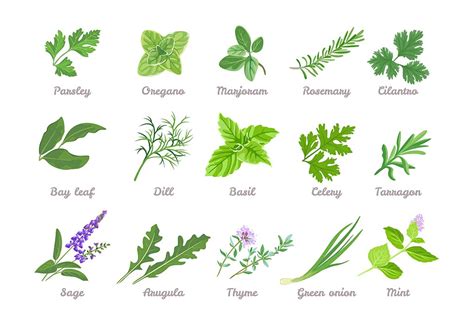
The ‘best’ way largely depends on the herb and its intended use. Tender herbs with high water content (basil, cilantro, parsley, mint, chives) generally do best frozen in oil or water cubes, or made into pesto. Woody, hardier herbs (rosemary, thyme, oregano, marjoram, sage) are excellent candidates for drying. Bay leaves are almost exclusively used dried. Experiment with different methods for your favorite herbs to discover which technique best retains their unique characteristics for your winter cooking adventures.

By taking a little time to preserve your garden herbs now, you’ll ensure a steady supply of fresh, homegrown flavor to brighten your dishes throughout the colder months. Enjoy the taste of summer, all winter long!