
What’s the best way to preserve garden gluts using simple homemade recipes?

Embracing the Abundance: Preserving Your Garden’s Bounty
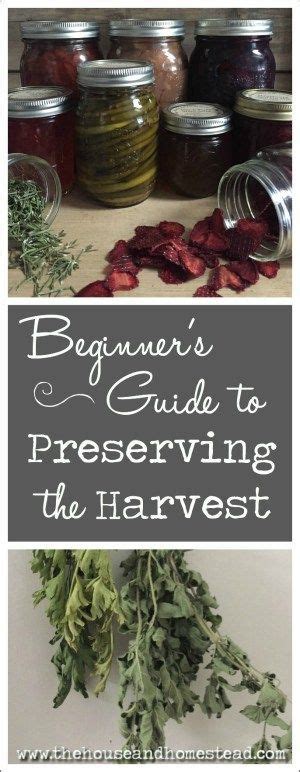
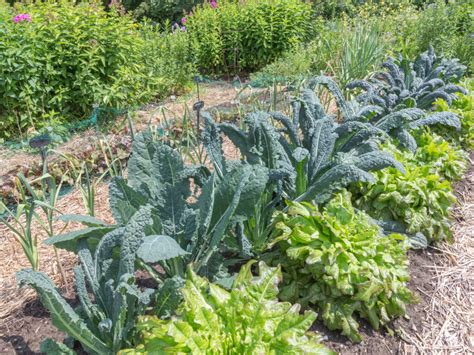
There’s immense satisfaction in harvesting a garden flush with produce, but often, the sheer volume can feel overwhelming. Before you share all your zucchini with the neighbors or find yourself with more tomatoes than you can eat, consider the rewarding world of food preservation. Transforming your garden’s glut into delicious, long-lasting ingredients and meals is not only sustainable and cost-effective but also incredibly satisfying. With a few simple homemade recipes and methods, you can enjoy the taste of summer long into the colder months.
This guide will explore various accessible preservation techniques, focusing on simple recipes that make the most of your harvest without requiring extensive equipment or expertise. From classic canning to modern freezing, we’ll help you minimize waste and maximize flavor.
The Art of Preservation: Key Methods for Every Gardener
Preserving your garden’s surplus doesn’t have to be complicated. There are several fundamental methods, each suited to different types of produce and desired outcomes. We’ll delve into the most popular and straightforward techniques that home cooks can easily master.
1. Canning and Jarring: Sealing in Freshness
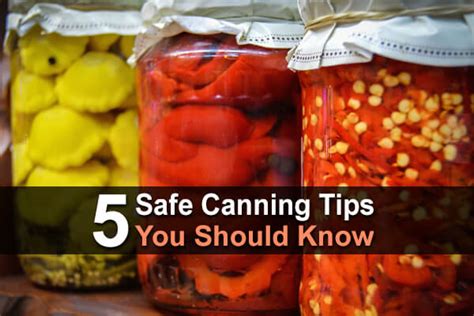
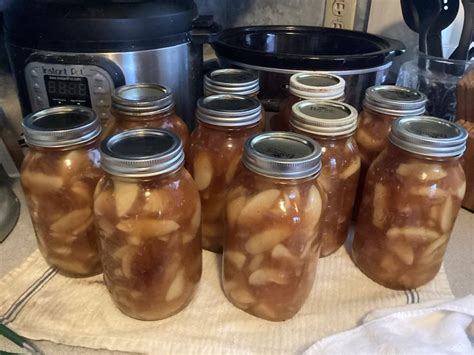
Canning is a time-honored tradition for good reason. It allows you to store acidic foods like fruits, jams, jellies, pickles, and certain tomato products safely at room temperature for extended periods using a hot water bath. For low-acid vegetables, pressure canning is required for safety, but we’ll focus on the simpler hot water bath method here.
Simple Homemade Recipes for Canning:
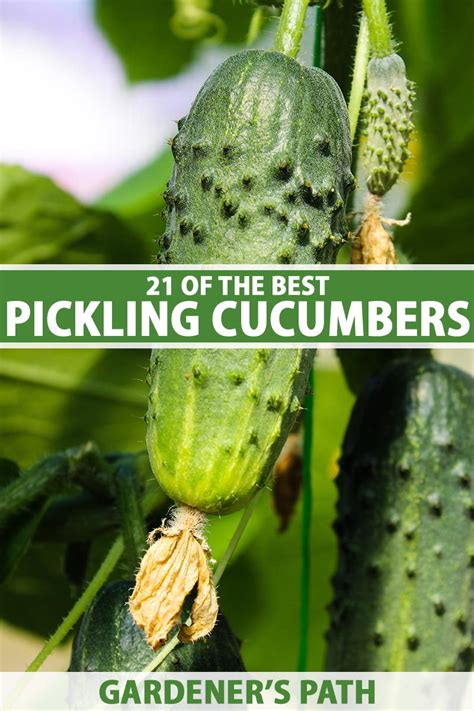
- Quick Dill Pickles: Combine sliced cucumbers with dill, garlic, vinegar, water, and salt. Process in a hot water bath according to a reliable canning guide.
- Berry Jam: Cook down berries with sugar and a little lemon juice until thickened. Ladle into sterilized jars and process in a hot water bath.
- Basic Tomato Sauce: Simmer chopped tomatoes with herbs and seasonings, then process for future pasta sauces and stews.
2. Freezing: The Easiest Way to Stop Time
Freezing is arguably the simplest method for preserving most fruits and vegetables, maintaining much of their fresh flavor and nutritional value. The key is proper preparation to prevent freezer burn and ensure quality.
Simple Homemade Recipes for Freezing:
- Blanched Vegetables: Briefly blanch green beans, broccoli, or corn, then plunge into ice water. Drain well and flash freeze on a baking sheet before transferring to freezer bags.
- Whole or Sliced Berries: Wash and dry berries thoroughly. Spread in a single layer on a baking sheet to freeze, then transfer to freezer-safe containers or bags.
- Herb Cubes: Finely chop fresh herbs, pack into ice cube trays, cover with olive oil or water, and freeze. Pop out and add to cooking.

3. Drying and Dehydrating: Concentrating Flavors
Drying removes moisture, inhibiting spoilage and concentrating flavors. You can use a food dehydrator, your oven on a low setting, or even the sun for certain items.
Simple Homemade Recipes for Drying:
- Dried Herbs: Tie bunches of herbs and hang in a dry, dark, well-ventilated area, or spread on trays in a dehydrator until crisp.
- Fruit Leather: Puree ripe fruit, spread thinly on parchment paper or dehydrator sheets, and dry until pliable.
- Sun-Dried Tomatoes (Oven Method): Slice tomatoes, toss with a little salt and olive oil, and slow-roast in a very low oven until shriveled and leathery.

4. Fermentation: Probiotic Powerhouses
Fermentation is an ancient technique that uses beneficial bacteria to transform vegetables into tangy, probiotic-rich foods. It’s surprisingly easy to do at home with minimal equipment.
Simple Homemade Recipes for Fermentation:
- Basic Sauerkraut: Shred cabbage, massage with salt until it releases liquid, then pack tightly into a jar, ensuring it’s submerged in its brine. Ferment for 1-3 weeks at room temperature.
- Lacto-Fermented Pickles: Submerge cucumbers, dill, and garlic in a saltwater brine. Leave at room temperature to ferment until desired tanginess is reached.

5. Infused Oils and Vinegars: Flavor Boosters
While not a long-term preservation method for the produce itself, infusing oils and vinegars allows you to capture garden flavors for dressings, marinades, and cooking.
Simple Homemade Recipes for Infusion:
- Herb-Infused Olive Oil: Gently heat fresh, thoroughly dried herbs (like rosemary or oregano) in olive oil, then let steep. Strain and store in a cool, dark place (use within a few weeks due to potential botulism risk with fresh ingredients; for longer shelf life, ensure herbs are completely dried before infusing).
- Garlic or Chili Vinegar: Add peeled garlic cloves or dried chili peppers to white vinegar. Let steep for several weeks before using.
Essential Tips for Successful Preservation
Regardless of the method you choose, a few general principles will help ensure your preserved goods are safe and delicious:
- Start with Quality Produce: Use only fresh, unblemished fruits and vegetables for the best results and safest preservation.
- Hygiene is Key: Always sterilize jars, lids, and equipment when canning or fermenting. Wash hands thoroughly.
- Follow Recipes Precisely: Especially with canning, exact measurements and processing times are crucial for safety and preventing spoilage.
- Proper Storage: Store preserved goods in a cool, dark place away from direct sunlight.
- Label Everything: Clearly label all jars and containers with the contents and date of preservation.
Enjoying the Fruits (and Vegetables) of Your Labor
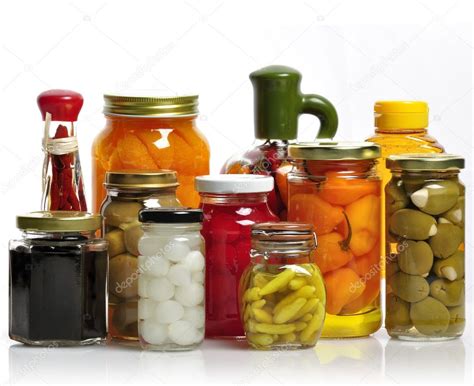
Preserving your garden’s bounty using simple homemade recipes is a deeply rewarding endeavor. Not only does it allow you to enjoy seasonal flavors year-round, but it also reduces food waste and connects you more deeply with the food you eat. Experiment with different methods and recipes, find what works best for your lifestyle and your harvest, and savor the delicious results of your efforts.