


What’s the best way to preserve peak-season garden tomatoes for winter sauces?
Capturing Summer’s Bounty: Preserving Tomatoes for Winter Sauces
There’s nothing quite like the taste of a sun-ripened tomato, fresh from the garden. Its sweet, tangy burst of flavor is the essence of summer. But what do you do when your harvest is abundant, and you dream of that fresh taste in the depths of winter? The good news is that preserving your peak-season tomatoes for future sauces is not only achievable but highly rewarding. The ‘best’ method often depends on your resources, time, and desired end product, but a few stand out for sauce-making.
The Freezer Method: Simplicity and Fresh Flavor
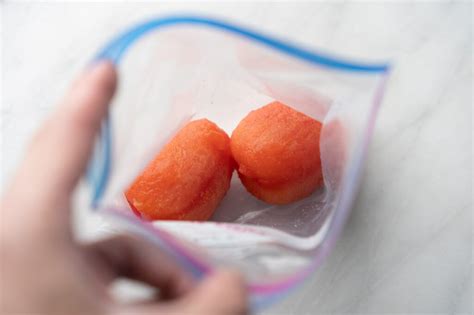
For sheer ease and excellent flavor retention, freezing whole or chopped tomatoes is arguably one of the best methods for future sauces. This technique requires minimal equipment and time, making it ideal for busy gardeners.
How to Freeze Tomatoes:
- Whole Tomatoes: Wash and dry the tomatoes. Remove the core. Place them on a baking sheet in a single layer and freeze until solid. Once frozen, transfer them to freezer-safe bags or containers, removing as much air as possible. When ready to use, simply run warm water over them, and the skin will slip right off.
- Chopped/Diced Tomatoes: For a head start on sauce, you can blanch, peel, and chop your tomatoes before freezing. Pack them into freezer bags or containers.
- Roasted Tomatoes: Roasting tomatoes before freezing intensifies their flavor, adding a lovely depth that is perfect for rich sauces. Halve or quarter tomatoes, toss with a little olive oil, salt, and herbs, then roast at 375°F (190°C) until softened and slightly caramelized. Let cool, then freeze whole or blended.
Frozen tomatoes retain a remarkably fresh flavor, perfect for simmering into marinara, pizza sauce, or chili. They break down beautifully during cooking, making them ideal for pureed sauces.
Canning: The Classic Way to Preserve
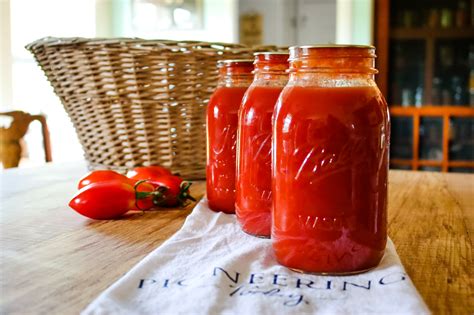
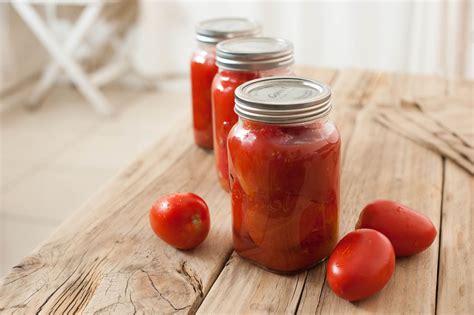
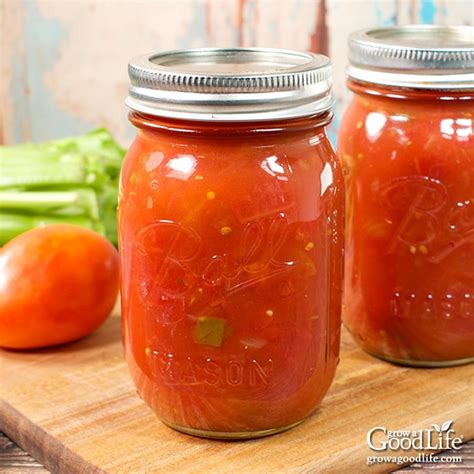
Canning is a time-honored tradition for good reason: it creates shelf-stable jars of deliciousness that can last for years. While it requires more equipment and a bit more technique than freezing, the satisfaction of a pantry stocked with homemade tomato sauce is unmatched. This method is particularly suited for large batches.
Steps for Water Bath Canning Tomatoes:
- Prepare Tomatoes: Wash, core, and blanch tomatoes for 30-60 seconds in boiling water, then immediately plunge into ice water. This makes peeling easy.
- Process Tomatoes: You can can them whole, crushed, diced, or as a puree. For sauces, crushed or pureed tomatoes are excellent. Add lemon juice or citric acid to each jar to ensure proper acidity for safe water bath canning (2 tbsp lemon juice or 1/2 tsp citric acid per quart jar).
- Pack Jars: Pack the prepared tomatoes into hot, sterilized canning jars, leaving 1/2 inch headspace.
- Process: Wipe rims, apply lids and bands, then process in a boiling water canner according to USDA guidelines for your altitude and tomato type (typically 35-45 minutes for quarts).
Canned tomatoes are fantastic for slow-cooked sauces, stews, and any recipe where you’d use store-bought canned tomatoes.
Dehydrating: Concentrated Flavor Power
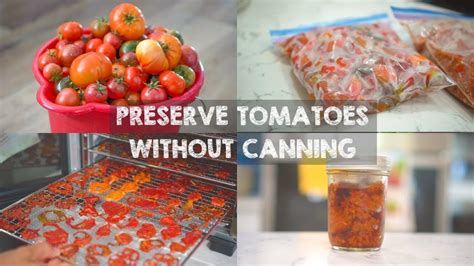
While not for a traditional liquid sauce, dehydrating tomatoes offers a potent, concentrated flavor perfect for creating intensely rich tomato pastes or adding depth to winter dishes. Rehydrate them in water or wine, or grind them into a powder for seasoning.
Dehydrating Method:
- Preparation: Wash and slice tomatoes about 1/4 inch thick. For cherry tomatoes, halve them.
- Dehydrate: Place slices on dehydrator trays or a baking sheet in an oven set to its lowest temperature (around 130-150°F / 55-65°C) with the door slightly ajar. Dehydrate until leathery or brittle, typically 8-12 hours in a dehydrator.
- Storage: Store fully dried tomatoes in airtight containers in a cool, dark place.

Choosing Your Best Method
For most home cooks focused on creating vibrant winter sauces, a combination of methods often works best. Freezing whole or roasted tomatoes offers the easiest path with excellent fresh flavor for quick weeknight sauces. For larger quantities and shelf-stable convenience, water bath canning crushed or diced tomatoes is invaluable. Consider your available time, storage space, and how you intend to use the tomatoes. Whichever method you choose, preserving your garden’s bounty ensures you can enjoy the taste of summer sunshine all year long.