


What’s the best way to preserve summer tomato glut without canning?
Ah, summer! The garden is bursting, and nowhere is this more evident than with a bumper crop of sun-ripened tomatoes. While the thought of enjoying homegrown flavor all year long is enticing, the often-laborious process of traditional canning can be a deterrent for many. Fear not, fellow country dwellers! There are numerous creative, simpler, and equally delicious ways to preserve that glorious tomato glut without ever touching a pressure canner or a boiling water bath. Let’s explore the best methods to capture that summer sunshine for months to come.
Freezing: The Ultimate Convenience
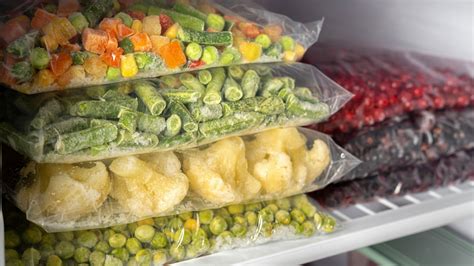
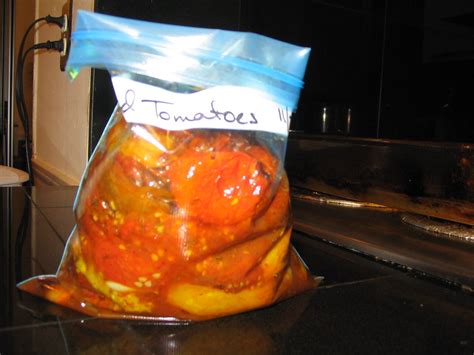
Freezing is arguably the easiest and most versatile method for preserving tomatoes. It requires minimal effort and keeps the fresh flavor intact for use in sauces, soups, and stews throughout the colder months.
Whole or Halved Tomatoes: For a quick fix, simply wash and core your tomatoes. You can freeze them whole, or halved for larger varieties, on a baking sheet until solid, then transfer to freezer bags. When ready to use, run under warm water, and the skins will slip right off. These are perfect for quickly adding to cooked dishes.
Tomato Puree or Sauce: For a more refined approach, cook down your tomatoes with some herbs (like basil or oregano) and a touch of salt. Once cooled, blend into a smooth puree or chunky sauce. Freeze in ice cube trays, muffin tins, or freezer-safe containers for portion control. This is excellent for pizza sauce, pasta sauce bases, or adding depth to casseroles.
Drying: Concentrated Tomato Flavor
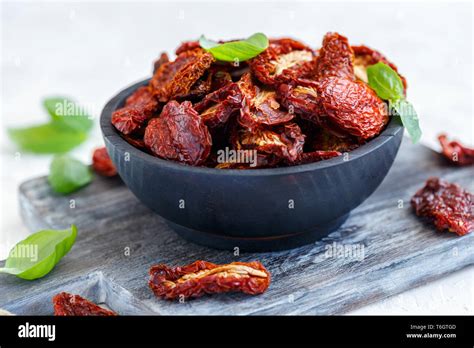
Drying tomatoes concentrates their sugars and flavors, resulting in intensely savory treats that are perfect for snacking, salads, pestos, and charcuterie boards. You can use a food dehydrator or even your oven on its lowest setting.
Method: Wash and slice tomatoes (Roma or paste tomatoes work best due to lower water content) about 1/4 inch thick. For faster drying and to prevent mold, you can scoop out the seeds and watery pulp. Arrange slices on dehydrator trays or baking sheets lined with parchment paper. Dry at 135°F (57°C) in a dehydrator for 8-12 hours, or at the lowest oven setting (170-200°F / 77-93°C) with the door slightly ajar for 4-8 hours or until leathery and pliable, not brittle. Store dried tomatoes in airtight containers in a cool, dark place, or freeze for longer preservation. For an extra treat, pack them in olive oil in the refrigerator (ensure they are fully submerged and use within a few weeks due to potential botulism risk if stored at room temp).
Roasting: Sweet and Smoky Goodness
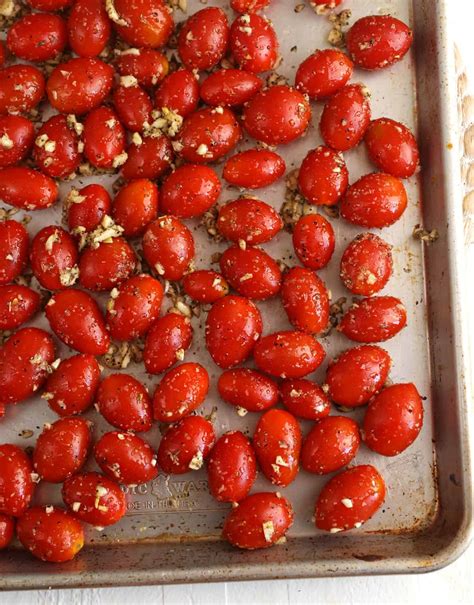
Slow roasting tomatoes brings out incredible sweetness and a slightly smoky depth that transforms them into a gourmet ingredient. This method is incredibly simple and yields spectacular results.
Process: Halve or quarter your tomatoes, toss with olive oil, salt, pepper, and herbs like thyme or rosemary. Spread them in a single layer on a baking sheet. Roast at a low temperature (around 250-300°F / 120-150°C) for several hours until they are shriveled, deeply colored, and intensely flavored. Once cooled, roasted tomatoes can be frozen in freezer bags or containers, often covered with a little olive oil to prevent freezer burn. They are perfect for adding to pasta, sandwiches, or blending into a rich soup.
Fermenting: A Tangy Twist
While often associated with canning, some simple fermentation methods offer a unique way to preserve tomatoes without a hot water bath. This is particularly good for green tomatoes or for making tangy, probiotic-rich additions to your meals.
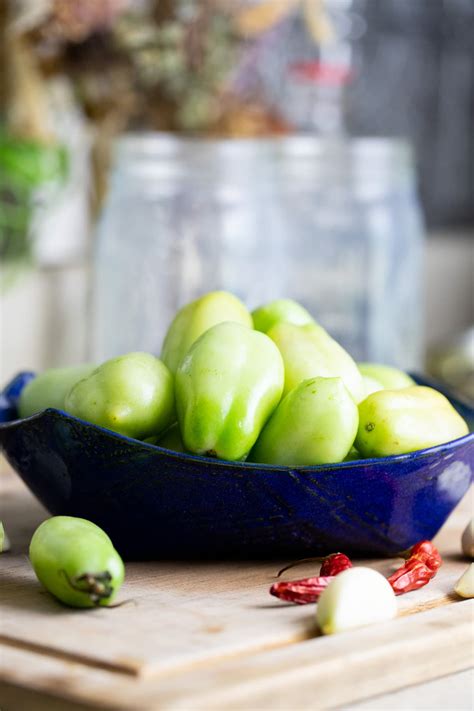
Fermented Green Tomatoes: Slice firm green tomatoes and pack them into a clean jar with garlic, dill, and other spices. Cover with a saltwater brine (typically 2-3% salt by weight of water) and weigh down to keep tomatoes submerged. Ferment at room temperature for 5-10 days, then transfer to the refrigerator where they will keep for several months. These have a delightful pickle-like flavor.
Tomato Ketchup or Chutney (Refrigerator Storage): While not truly fermented, cooking down tomatoes with vinegar, sugar, and spices creates delicious ketchups and chutneys. These can be stored safely in the refrigerator for several weeks or even months due to their high acidity and sugar content. Always check specific recipes for shelf life, as these are not shelf-stable without proper canning techniques.
Making Simple Refrigerator Preserves
If you love jams, jellies, or relishes but want to skip the canning, consider making smaller batches designed for quick consumption or refrigerator storage. These methods still rely on cooking but eliminate the need for sterilization and sealing for long-term pantry storage.
Tomato Jam: A sweet and savory delight, tomato jam can be made by cooking down chopped tomatoes with sugar, spices, and a touch of lemon juice. It’s fantastic on toast, with cheese, or as an accompaniment to grilled meats. Store in clean jars in the refrigerator for up to 3-4 weeks.
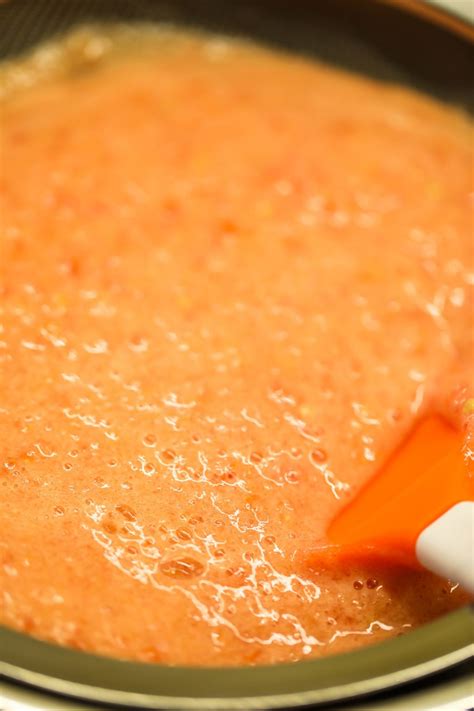
Fresh Tomato Paste: Slowly cook down pureed tomatoes until they reach a thick, concentrated paste. This labor of love yields an intensely flavored product. Store small portions in the refrigerator covered with a thin layer of olive oil for up to a week, or freeze in ice cube trays for longer storage.
With these diverse and accessible methods, you can easily turn your summer tomato abundance into a year-round pantry of delicious possibilities. Whether you prefer the simplicity of freezing, the intense flavor of drying, the sweetness of roasting, or the tang of fermentation, there’s a perfect non-canning solution for every tomato lover. Embrace the harvest and enjoy the taste of summer long after the season ends!