




What’s the best way to prevent common blight on heirloom tomatoes naturally?

Understanding Common Blight and Heirloom Tomato Vulnerability
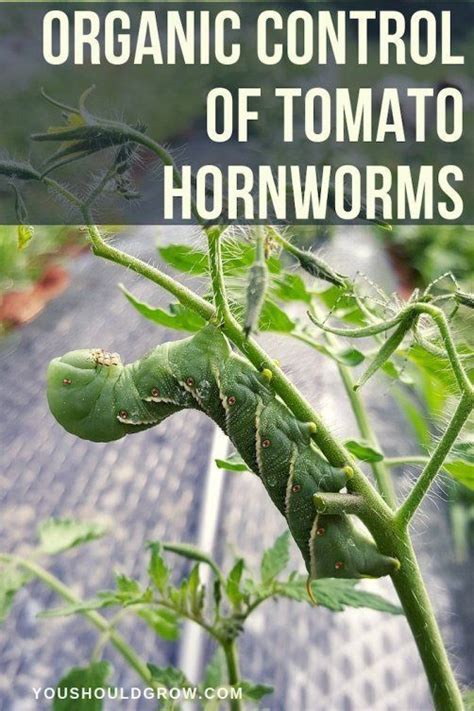
Heirloom tomatoes are cherished for their unparalleled flavor and unique varieties, but their genetic diversity often comes with a trade-off: increased susceptibility to common diseases like blight. Blight, caused by various fungal pathogens (primarily Phytophthora infestans for late blight and Alternaria solani for early blight), can quickly devastate a crop. It manifests as dark spots on leaves, stems, and fruit, eventually leading to rot and plant death if left unchecked. While fungicides exist, many home gardeners prefer natural, organic methods to protect their precious heirlooms, preserving the health of their garden ecosystem and the purity of their harvest.
The key to natural blight prevention lies in understanding the disease and implementing proactive strategies that create an environment unfavorable to fungal growth while promoting robust plant health. This article will guide you through the most effective natural methods to keep your heirloom tomatoes thriving.
Strategic Planting and Site Selection for Disease Resistance
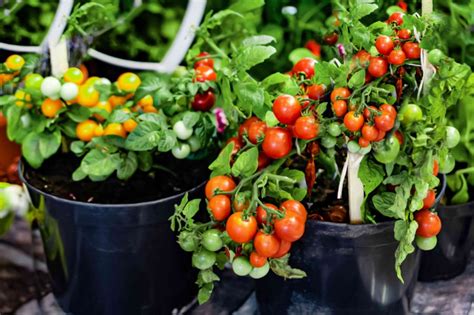
Prevention begins before planting. Choose a site with at least 6-8 hours of direct sunlight daily and excellent air circulation. Good airflow is paramount as it helps dry foliage quickly, making it difficult for fungal spores to germinate and spread. Avoid planting tomatoes too close together or in areas prone to dampness. When spacing plants, aim for at least 3-4 feet between individual plants to ensure ample air movement.

Consider planting disease-resistant heirloom varieties if available, though true heirloom resistance is less common than in hybrid types. Crop rotation is also crucial: never plant tomatoes (or other solanaceous crops like potatoes, peppers, or eggplants) in the same spot year after year. A 3-4 year rotation cycle helps break the life cycle of blight pathogens in the soil.
Watering Wisdom and Soil Health
How you water your tomatoes significantly impacts blight prevention. Always water at the base of the plant, directly targeting the soil, and avoid overhead watering that wets the foliage. Wet leaves provide the perfect breeding ground for fungal spores. Water in the morning so any accidental splashes on leaves have ample time to dry before evening. Deep, infrequent watering encourages stronger root systems, making plants more resilient.
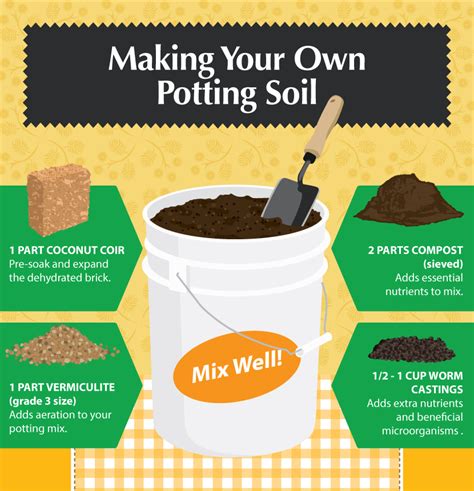
Healthy soil builds healthy plants. Amend your soil with plenty of organic matter, such as compost, to improve drainage, aeration, and nutrient availability. A balanced soil pH (typically 6.0-6.8 for tomatoes) also contributes to plant vigor. Mulching around the base of your tomato plants with straw, shredded leaves, or wood chips serves multiple purposes: it conserves soil moisture, regulates soil temperature, and, most importantly, prevents soil-borne fungal spores from splashing up onto lower leaves during watering or rain events.
Pruning for Air Circulation and Sanitation
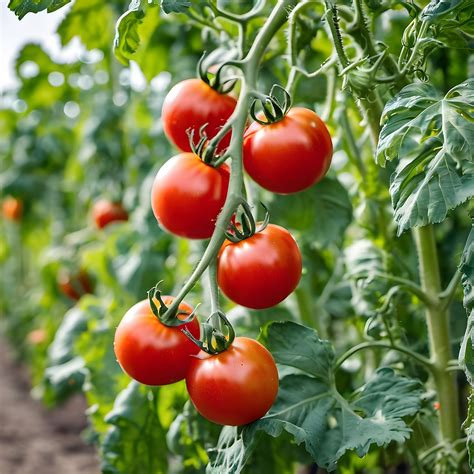
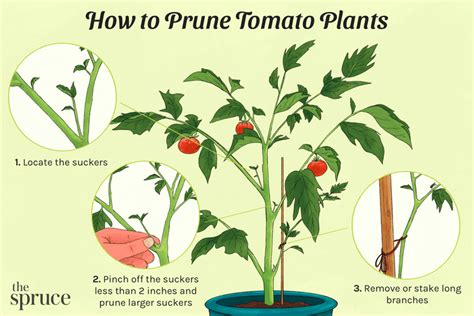
Proper pruning is a vital component of natural blight prevention. As your heirloom tomato plants grow, remove the lower leaves, especially any that are touching the soil. These are the first points of contact for soil-borne pathogens. Regularly prune suckers (the shoots that emerge between the main stem and a leaf branch) to improve airflow within the plant canopy and redirect energy to fruit production rather than excessive foliage. Use clean, sharp pruning shears and sterilize them with a 10% bleach solution or rubbing alcohol between plants to prevent spreading diseases.
Vigilant garden sanitation is also key. Promptly remove and destroy any infected leaves, stems, or fruits as soon as you notice symptoms of blight. Do not compost diseased plant material, as the spores can survive and re-infect your garden. At the end of the season, remove all plant debris from the garden bed to prevent pathogens from overwintering.
Natural Sprays and Companion Planting
While preventative cultural practices are your first line of defense, natural sprays can offer an additional layer of protection, particularly during periods of high humidity or consistent rain. Neem oil, a natural insecticide and fungicide, can be diluted and sprayed on plants to deter various pests and fungal issues. A simple baking soda solution (1 tablespoon baking soda, 1 tablespoon vegetable oil, a few drops of dish soap per gallon of water) can also be used as a preventative spray, altering the leaf surface pH to make it less hospitable for fungi. Apply these sprays in the early morning or late evening, avoiding direct sunlight.
Companion planting can also contribute to a healthier tomato patch. Herbs like basil, chives, and parsley are believed to repel certain pests and improve tomato vigor. Marigolds are known for deterring nematodes and other soil pests. While not a direct blight preventative, a healthier overall garden ecosystem can make plants more resilient to various stresses, including disease.
Conclusion: A Holistic Approach for Thriving Heirloom Tomatoes
Successfully preventing common blight on heirloom tomatoes naturally requires a holistic and proactive approach. By focusing on proper site selection, intelligent watering, enriching soil health, diligent pruning and sanitation, and utilizing natural preventative sprays, you can create a robust environment where your cherished heirloom tomatoes can flourish. Embrace these natural methods, and you’ll be rewarded with a bountiful harvest of healthy, delicious tomatoes, all while maintaining an eco-friendly garden.