What’s the best way to prevent dry homemade cornbread?
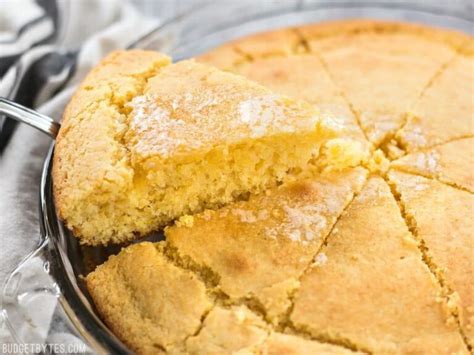
The Quest for Perfectly Moist Cornbread
Homemade cornbread, when done right, is a comforting side dish—crisp on the outside, tender and moist on the inside. However, many home bakers lament the common issue of dry, crumbly cornbread. The good news is that preventing this culinary disappointment is entirely achievable with a few strategic adjustments to your recipe and technique.
Understanding the Culprits: Why Cornbread Dries Out
Before we dive into solutions, let’s pinpoint the common reasons why cornbread can turn dry. The primary culprits are often:
- Overbaking: This is arguably the biggest offender. High heat for too long evaporates essential moisture.
- Too much flour or cornmeal: An imbalanced ratio of dry to wet ingredients leads to a dense, thirsty batter.
- Not enough fat or liquid: Skimping on ingredients like buttermilk, oil, or butter reduces the overall moisture content.
- Overmixing: Developing too much gluten in the flour can lead to a tough, dry texture.
The Secret to Moisture: Ingredient Choices
Your ingredients play a pivotal role in the final texture of your cornbread. Opt for items that inherently add moisture and richness:
1. Embrace Dairy Fats: Buttermilk, sour cream, or even plain full-fat yogurt are your best friends. The acidity in buttermilk reacts with baking soda to create a tender crumb, while the fat content adds incredible moisture. If you don’t have buttermilk, you can make a quick substitute by adding a tablespoon of white vinegar or lemon juice to regular milk and letting it sit for 5-10 minutes.
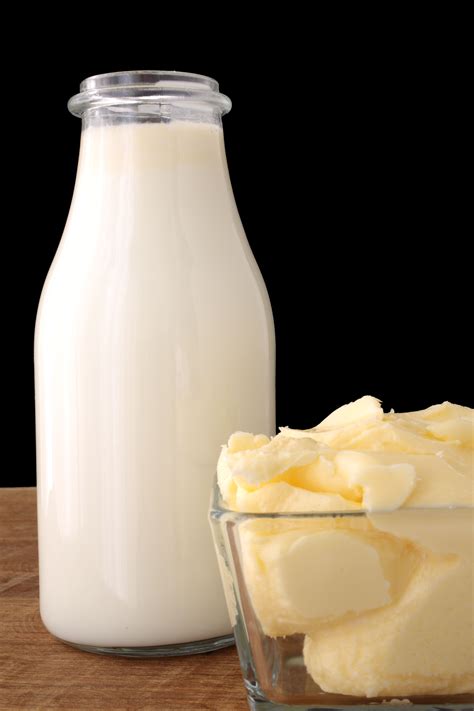
2. Don’t Skimp on Fats: Butter, vegetable oil, or bacon grease are essential for tender, moist cornbread. Many classic recipes call for melted butter or oil. Consider browning your butter for an extra nutty flavor dimension. Some even swear by using rendered bacon fat for an unparalleled savory depth and moisture.
Mastering the Mixing and Baking Process
Even with the best ingredients, improper technique can lead to dry cornbread.
1. Gentle Mixing is Key: Combine your wet and dry ingredients just until they are moistened. Lumps are perfectly fine! Overmixing develops gluten in the flour, resulting in a tough, dry, and chewy texture instead of a tender crumb. A few quick stirs are often all you need.
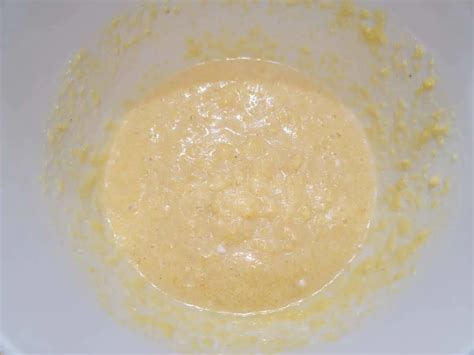
2. Do NOT Overbake: This is critical. Cornbread cooks relatively quickly. Start checking for doneness around 15-20 minutes, depending on your oven and pan size. A toothpick inserted into the center should come out with moist crumbs, but not wet batter. The edges should be golden brown, and the top lightly golden. If it’s dark brown, it’s likely overcooked. Ovens vary, so know your oven and adjust baking time accordingly.
Post-Baking Moisture Tricks
The work doesn’t stop when you pull the cornbread from the oven. There are immediate steps you can take to lock in moisture.
1. Brush with Butter: Immediately after removing the hot cornbread from the oven, brush the top generously with melted butter. This not only adds flavor but also creates a barrier that helps trap moisture inside. Some people even like to add a touch of honey or maple syrup to the melted butter for a subtle sweetness.
2. Cover While Cooling: Once brushed, cover the hot cornbread loosely with aluminum foil or a clean kitchen towel for the first 10-15 minutes as it cools. The residual heat and steam trapped underneath will redistribute moisture throughout the bread, leading to a softer, more tender result.

Storage for Lasting Freshness
To keep any leftover cornbread from drying out, proper storage is essential. Once completely cooled, store cornbread in an airtight container at room temperature for 1-2 days. For longer storage, you can refrigerate it for up to a week, or freeze individual slices for several months. Always ensure it’s well-sealed to prevent air exposure, which is the enemy of moisture.

Recipe Enhancements for Ultimate Moisture
If you’re still struggling or simply want an extra moist cornbread, consider these additions:
- Add Creamed Corn: A can of creamed corn adds significant moisture and sweetness.
- A Touch of Sweetener: Honey, maple syrup, or a little extra sugar can help retain moisture.
- Mashed Sweet Potato or Pumpkin Puree: These additions not only add moisture but also nutrients and a lovely color.

By implementing these tips—from choosing the right ingredients and mastering your mixing technique to perfecting baking times and post-bake care—you’ll be well on your way to consistently baking perfectly moist, flavorful homemade cornbread that everyone will rave about.