
What’s the best way to properly season cast iron cookware?

Understanding the Art of Cast Iron Seasoning
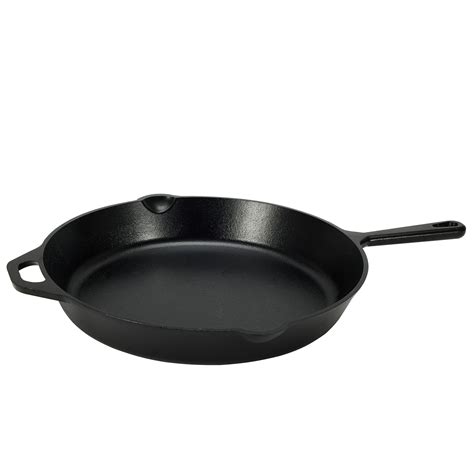
Cast iron cookware is beloved for its durability, even heat distribution, and ability to last for generations. However, to truly unlock its potential and enjoy its non-stick properties, proper seasoning is paramount. Seasoning is not just about applying oil; it’s a polymerisation process that creates a natural, stick-resistant layer, protecting your pan from rust and enhancing its cooking performance.
What is Seasoning and Why Does it Matter?
In simple terms, seasoning is a layer of polymerised oil baked onto the surface of cast iron. When oil is heated past its smoke point, it breaks down and forms a hardened, plastic-like coating that bonds to the metal. This coating fills in the microscopic pores of the iron, creating a smooth, non-stick cooking surface. A well-seasoned pan will resist food sticking, prevent rust, and even impart a subtle, desirable flavor to your dishes over time.
Step-by-Step Guide to Perfect Cast Iron Seasoning
Step 1: Clean Your Cast Iron Thoroughly
Before you begin, ensure your cast iron is absolutely clean. If it’s a new, unseasoned pan, simply wash it with warm water and a mild dish soap (yes, for the initial clean, soap is fine). If it’s an old, rusty, or sticky pan, you might need to use a stiff brush, steel wool, or even a chainmail scrubber to remove all traces of old food, rust, or sticky residue. The goal is to get down to bare, clean metal.

Step 2: Dry Completely and Immediately
Moisture is the enemy of cast iron, leading to rust. After washing, immediately dry your pan thoroughly with a clean towel. For extra measure, place it on the stovetop over low heat for 5-10 minutes until all moisture has evaporated. You should see no lingering water droplets.
Step 3: Apply a Very Thin Layer of Oil
Once dry and slightly warm, apply a very thin, even layer of your chosen seasoning oil (more on oil types below) over the entire surface of the pan – inside, outside, handle, and bottom. Use a paper towel to wipe away as much excess oil as possible. It should look like there’s almost no oil left; a common mistake is using too much, which leads to a sticky, gummy finish.
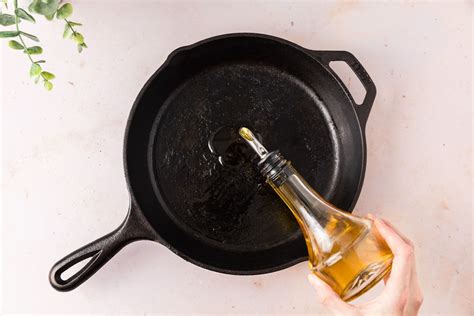
Step 4: Bake It to Polymerise
Preheat your oven to a high temperature, typically between 450°F and 500°F (230°C to 260°C). Place the oiled cast iron pan upside down on the middle rack of the oven. This helps prevent oil from pooling. Place a baking sheet or aluminum foil on the rack below to catch any drips.
Bake for one hour. After one hour, turn off the oven and let the pan cool completely inside the oven. This slow cooling helps the seasoning bond effectively.

Repeat this oiling and baking process at least 3-4 times, or even more, for a robust, durable seasoning. Each layer builds upon the last, creating a strong non-stick foundation.
Choosing the Best Oil for Seasoning
The best oils for seasoning have a high smoke point and are rich in polyunsaturated fats, which polymerise effectively. Popular choices include:
- Flaxseed Oil: Often hailed as the “gold standard” for its hard, durable finish, but it can be prone to flaking if applied too thickly. It’s also more expensive.
- Grapeseed Oil: A great all-rounder with a high smoke point and neutral flavor.
- Vegetable Oil (Soybean, Canola): Affordable, readily available, and effective.
- Crisco/Vegetable Shortening: Many traditionalists swear by it for a robust seasoning.
Avoid olive oil or butter for seasoning, as they have low smoke points and can leave a sticky residue.
Maintaining Your Seasoned Cast Iron
Once seasoned, maintain your cast iron by:
- Cooking with oil: Regular cooking, especially with fats, reinforces the seasoning.
- Washing gently: Use warm water and a stiff brush or scraper. Avoid harsh soaps or steel wool for daily cleaning.
- Drying thoroughly: Always dry immediately after washing, preferably on low heat on the stovetop.
- Storing properly: Store in a dry place to prevent rust.
- Re-seasoning as needed: If food starts sticking or rust appears, repeat the seasoning process.
Embrace the Cast Iron Journey
Seasoning cast iron is a foundational skill that transforms a simple piece of metal into an indispensable kitchen tool. With a little patience and consistency, you’ll develop a beautifully seasoned pan that not only performs exceptionally but also becomes a cherished heirloom, improving with every use. Happy cooking!