
What’s the best wood for DIY raised garden beds to prevent rot for years of harvests?
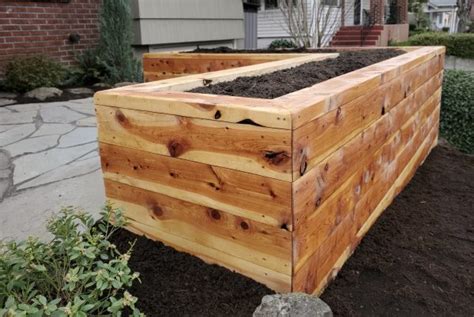
Building a Durable Raised Garden Bed: Key Wood Choices
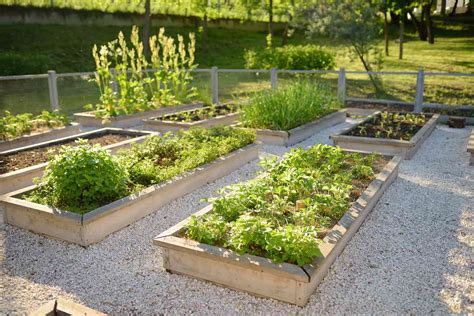
Creating a raised garden bed is a fantastic way to improve soil quality, manage drainage, and make gardening more accessible. However, one of the most critical decisions you’ll face is selecting the right wood. The wood you choose directly impacts your bed’s lifespan, its ability to withstand constant moisture and soil contact, and ultimately, how many years of abundant harvests you’ll enjoy before needing to rebuild. Preventing rot isn’t just about longevity; it’s about investing your time and effort wisely.
Top Wood Choices for Rot Resistance and Garden Safety
When it comes to wood that naturally resists rot, certain species stand out due to their inherent properties, such as high tannin content or natural oils. These are generally the safest and most durable options for organic gardening.
Western Red Cedar
Often considered the gold standard for raised beds, Western Red Cedar is naturally resistant to rot, decay, and insect infestation. It’s lightweight, easy to work with, and incredibly long-lasting, often performing well for 15-20 years or more. While it can be more expensive upfront, its longevity makes it a cost-effective choice in the long run. Cedar does not leach harmful chemicals into the soil, making it perfectly safe for growing edible plants.
Redwood
Similar to cedar, California Redwood offers excellent natural resistance to decay and insects thanks to its unique compounds. It’s highly durable, beautiful, and typically lasts as long as cedar, if not longer. Like cedar, redwood is an excellent choice for organic gardeners due to its non-toxic nature. However, it can be quite expensive and may be harder to source outside of its native regions.
Black Locust
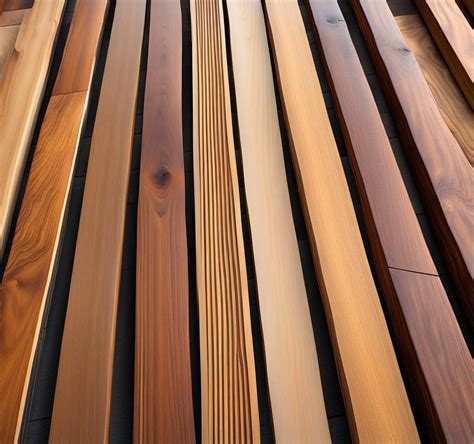
For unparalleled durability, black locust is a fantastic, though less common, option. It’s one of the hardest and most rot-resistant woods available, often lasting 25+ years even in ground contact. It’s also remarkably strong and requires no chemical treatment. The main downsides are its density, which makes it challenging to cut and fasten, and its limited availability, often requiring specialized sourcing.
Cypress and Juniper
Both cypress and juniper are good choices, particularly if you’re in an area where they are readily available. Cypress heartwood contains cypretine, a natural preservative that helps it resist decay. Juniper also offers natural decay resistance. These woods can provide a solid 10-15 years of service, making them viable and often more affordable alternatives to cedar or redwood.
Understanding Treated Lumber for Raised Beds
The topic of treated lumber can be confusing, especially concerning food safety. Traditionally, most pressure-treated wood used chromated copper arsenate (CCA), which is toxic and should never be used for food gardens. However, modern pressure-treated woods use different chemicals, primarily alkaline copper quaternary (ACQ) or micronized copper azole (MCA).
While some sources suggest modern ACQ/MCA treated wood is safe for raised beds, especially with a liner separating the wood from the soil, it’s generally best to err on the side of caution for organic food production. Copper can still leach into the soil, and while levels are often low, many gardeners prefer to avoid it entirely. If you opt for modern treated lumber, look for products specifically rated for “ground contact” and consider using a heavy-duty pond liner or 6-mil polyethylene sheeting to create a barrier between the wood and your soil.
Wood to Avoid for Long-Lasting Raised Beds
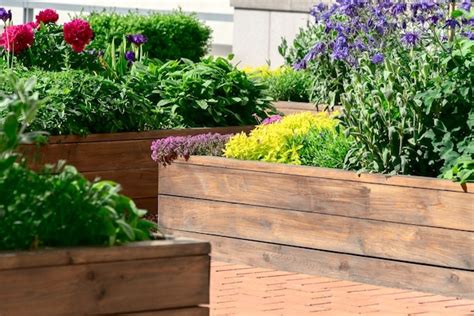
Without specific treatment or natural resistance, many common lumber types will rot quickly when exposed to the constant moisture of a garden bed. Untreated pine, spruce, and fir are examples of softwoods that typically last only 3-5 years before succumbing to decay. While cheaper upfront, the need for frequent replacement often makes them more expensive and labor-intensive in the long run. Also, as mentioned, steer clear of any salvaged wood that might contain lead paint or older CCA-treated chemicals.
Strategies to Maximize Your Raised Bed’s Lifespan
Beyond choosing the right wood, several construction techniques can significantly extend the life of your raised garden bed, regardless of the material you select:
- Use a Liner: A thick plastic liner (e.g., 6-mil polyethylene or pond liner) between the wood and the soil is an excellent way to prevent moisture from saturating the wood, especially at the soil line. Ensure the liner doesn’t impede drainage at the bottom.
- Ensure Excellent Drainage: Good drainage prevents waterlogging both in the soil and around the wood, which is crucial for preventing rot. Consider adding a layer of gravel or coarse wood chips at the very bottom of the bed before filling with soil.
- Elevate the Bed: If possible, raise your bed slightly off the ground using pavers or bricks. This improves air circulation underneath and prevents constant contact with ground moisture.
- Corner Reinforcement: Use sturdy corner brackets (internal or external) to distribute stress and prevent bowing, which can lead to gaps where moisture can collect.
- Air Circulation: Avoid packing soil tightly against the outside of the bed. Leave a small gap or ensure good air flow around the exterior of the bed if it’s not freestanding.
Final Thoughts on Your Wood Choice
Investing in high-quality, rot-resistant wood for your DIY raised garden bed is a decision that pays dividends in longevity, less maintenance, and peace of mind. While options like Western Red Cedar and Redwood are premium choices, alternatives like Black Locust, Cypress, and Juniper offer excellent performance. By combining smart wood selection with sound construction practices, you can create a beautiful, durable garden bed that will support years of abundant and healthy harvests, allowing you to enjoy your gardening passion for decades to come.