



What’s the easiest real food sourdough bread recipe for beginners?

Demystifying Sourdough for Beginners
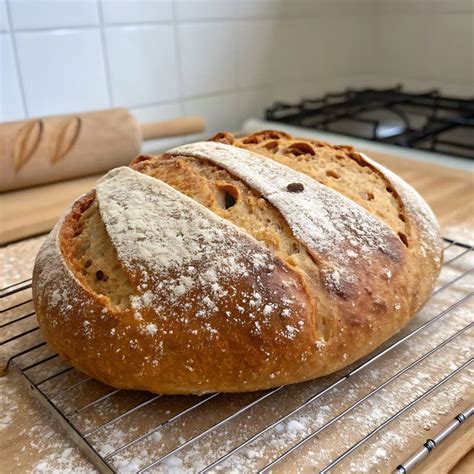
Many aspiring bakers are intimidated by sourdough bread, picturing complex folding techniques, precise timings, and endless hours in the kitchen. The truth is, while sourdough can be an art form, it doesn’t have to be complicated, especially when you’re just starting. The key to an easy real food sourdough recipe for beginners lies in simplifying the process: minimal kneading, an overnight bulk or cold proof, and straightforward baking.
This recipe focuses on an ‘autolyse’ method for easy dough development and uses an overnight cold proof, which is incredibly forgiving for busy schedules. You’ll need just four basic ingredients and a few simple tools to achieve a beautiful, tangy loaf with a perfect crust and an open crumb.

The Minimalist Sourdough Recipe
This recipe is designed for ease and utilizes a Dutch oven to create the perfect steamy environment for a great crust, even in a home oven. Make sure your sourdough starter is active and bubbly – this is crucial for success!
Ingredients:
- 350g Warm Water (around 90-95°F / 32-35°C)
- 100g Active Sourdough Starter (fed 4-12 hours prior, bubbly and active)
- 500g All-Purpose or Bread Flour (unbleached)
- 9g Fine Sea Salt
Equipment:
- Large mixing bowl
- Kitchen scale (essential for accuracy)
- Dough scraper or spatula
- Proofing basket (banneton) or a bowl lined with a floured kitchen towel
- Dutch oven with a lid

Step-by-Step Instructions
Day 1: Mixing and Bulk Fermentation
- Autolyse (1 Hour): In your large mixing bowl, combine the warm water and sourdough starter. Stir gently to break up the starter. Add the flour and mix with a spatula or your hands until no dry flour remains. It will be a shaggy, rough dough. Cover the bowl with a damp towel or plastic wrap and let it rest for 1 hour at room temperature. This step allows the flour to fully hydrate and gluten to begin developing without kneading.
- Add Salt & Initial Mix: After the autolyse, sprinkle the salt evenly over the dough. With damp hands, work the salt into the dough by gently squeezing and folding for 2-3 minutes until the salt is fully incorporated. The dough will become slightly smoother. Cover and let rest for 30 minutes.
- Stretch & Folds (3 Sets): Over the next 2.5 hours, perform three sets of ‘stretch and folds’ at 45-minute intervals. To do this, moisten your hands, grab a section of the dough, gently stretch it upwards, and fold it over itself. Rotate the bowl and repeat this 3-4 times until you’ve worked your way around the dough. This builds strength in the dough. After each set, cover the bowl and let it rest.
- Bulk Fermentation (Final Rest): After the last set of stretch and folds, cover the bowl and let the dough rest at room temperature for another 1-2 hours. The total bulk fermentation time from adding salt until shaping should be around 4-5 hours, depending on your room temperature and starter activity. The dough should look visibly gassy and slightly increased in volume (20-30%).
- Pre-Shape (10 Minutes): Lightly flour your work surface. Gently turn the dough out onto the surface. Using a dough scraper, gently shape the dough into a loose ball. Avoid pressing out too much air. Cover with the bowl and let it rest for 10-20 minutes. This allows the gluten to relax.
- Final Shape & Cold Proof: Flour your proofing basket (banneton) generously with rice flour or all-purpose flour. If using a towel-lined bowl, flour the towel well. Gently shape your dough into a tight ball or oval, creating tension on the surface. Place the dough seam-side up into the prepared basket. Cover the basket with plastic wrap or a shower cap and refrigerate for at least 12 hours, or up to 24 hours. This cold proof develops flavor and makes the dough easier to handle.
Day 2: Baking
- Preheat Oven & Dutch Oven: At least 1 hour before you’re ready to bake, place your Dutch oven with its lid into your oven. Preheat the oven to 450°F (232°C). It’s crucial that the Dutch oven is fully preheated.
- Score & Bake (Covered): Carefully remove the hot Dutch oven from the oven. Gently invert the cold dough from the proofing basket directly into the hot Dutch oven. Using a sharp knife or a bread lame, score the top of the dough. A simple cross or a single slash is perfect for beginners. Cover the Dutch oven with its lid and bake for 30 minutes.
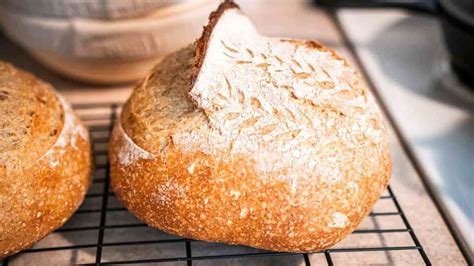
- Bake (Uncovered): Remove the lid from the Dutch oven and continue baking for another 20-25 minutes, or until the crust is a deep golden brown.
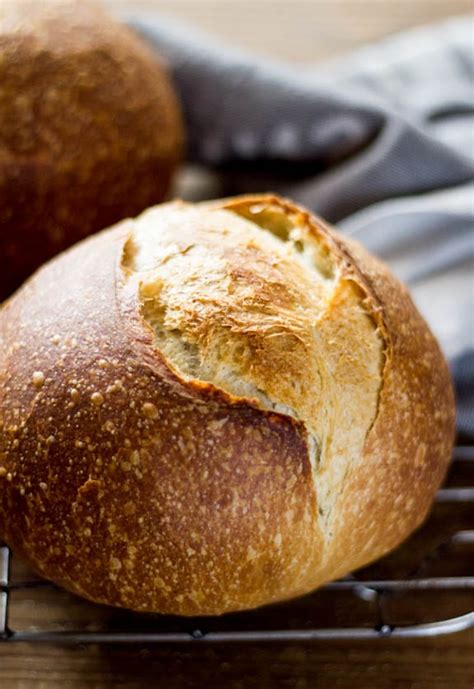
- Cool: Carefully remove the bread from the Dutch oven and transfer it to a wire rack to cool completely for at least 2-3 hours before slicing. Slicing too early will result in a gummy texture.
Tips for Beginner Sourdough Success
- Active Starter is Key: A strong, active starter is the foundation of good sourdough. It should double in size after feeding and be full of bubbles.
- Don’t Rush: Sourdough baking is a slow process. Let the dough take its time through fermentation. Room temperature affects timings significantly.
- Hydration Matters: This recipe uses a relatively moderate hydration, making it easier to handle. As you gain confidence, you can experiment with slightly higher hydration levels.
- Practice Makes Perfect: Don’t be discouraged if your first loaf isn’t perfect. Every bake is a learning experience. Pay attention to how the dough feels and how it responds.
- Listen to Your Dough: Instead of strictly adhering to times, observe your dough. Is it gassy? Has it expanded? This intuition comes with practice.
Enjoy Your Homemade Sourdough!
This beginner-friendly real food sourdough recipe simplifies the process without compromising on flavor or texture. With minimal active time and an accommodating overnight proof, you can easily fit homemade sourdough into your busy life. Enjoy the incredible satisfaction of pulling a beautiful, fragrant loaf from your own oven. Serve it with butter, cheese, or simply enjoy it on its own – you’ve earned it!