



What’s the most effective DIY method to deter garden pests naturally?
Embracing Nature’s Solutions for a Pest-Free Garden
Cultivating a vibrant garden free from unwanted invaders can be a challenge, but resorting to harsh chemicals isn’t always the best solution for your plants, the environment, or your health. Fortunately, nature offers a plethora of ingenious DIY methods to deter garden pests naturally. Among these, a holistic and proactive approach stands out as the most effective: strategic companion planting combined with vigilant cultural practices.
The Power of Companion Planting: Nature’s Best Defense
Companion planting is an ancient gardening technique that leverages the synergistic relationships between different plant species. By carefully selecting and positioning plants next to each other, you can create a natural defense system that repels pests, attracts beneficial insects, and even improves soil health and plant growth. It’s a living barrier and a proactive strategy that addresses pest issues before they escalate.
How does it work? Some plants emit scents that confuse or repel pests, making it difficult for them to locate their target crops. Others act as trap crops, luring pests away from more valuable plants. Still others attract beneficial insects like ladybugs, lacewings, and parasitic wasps, which prey on common garden pests.
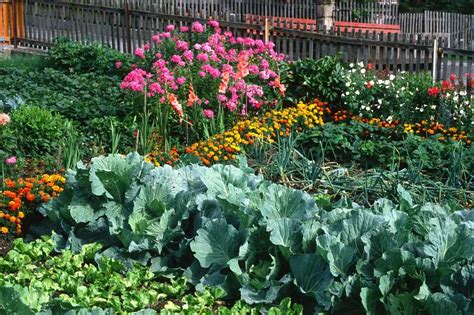
Effective Companion Pairings:
- Marigolds: Planted near tomatoes, potatoes, or roses, they release compounds that deter nematodes and other soil-borne pests.
- Basil: A fantastic companion for tomatoes, basil is thought to repel flies and mosquitoes, and some gardeners claim it improves tomato flavor.
- Nasturtiums: These act as excellent trap crops, luring aphids away from other plants like beans, broccoli, and fruit trees.
- Garlic & Onions: Their strong aromas deter a wide range of pests, including aphids, slugs, and Japanese beetles, making them ideal companions for roses, carrots, and lettuce.
- Dill, Fennel, & Cilantro: When allowed to flower, these herbs attract beneficial insects like hoverflies and predatory wasps, which feast on aphids and other soft-bodied pests.
Homemade Sprays & Barriers: Targeted Interventions
While companion planting forms the backbone of a natural pest deterrence strategy, sometimes a more direct intervention is needed. Homemade sprays and physical barriers offer targeted solutions for specific pest outbreaks.
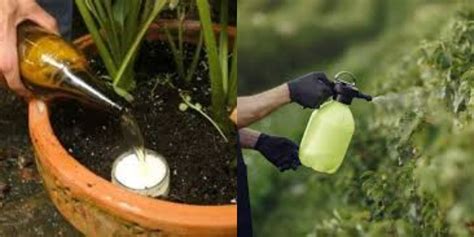
Simple & Effective DIY Sprays:
- Garlic & Pepper Spray: Blend a few cloves of garlic with a hot pepper (like cayenne or jalapeño) and water. Strain the mixture, dilute, and spray on affected plants. The potent aroma and capsaicin repel many chewing and sucking insects.
- Soap Spray: Mix a few tablespoons of mild liquid dish soap (avoid detergents with degreasers) with a gallon of water. Spray directly onto aphids, whiteflies, and spider mites. The soap suffocates these soft-bodied pests.
- Neem Oil Solution: While typically bought, neem oil is a natural extract from the neem tree. When mixed with water and a tiny bit of soap, it acts as an effective repellent and growth disruptor for many pests, interrupting their feeding and reproductive cycles.
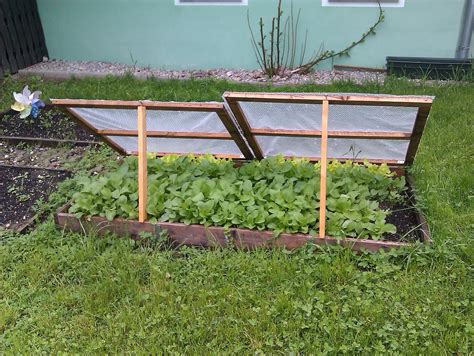
Physical Barriers: Row covers, netting, or even simple cloches can protect vulnerable seedlings and crops from larger pests like birds, rabbits, and some flying insects (e.g., cabbage moths) without resorting to sprays. Ensure the barriers are securely fastened and removed during flowering if pollination is required.
Attracting Beneficial Insects: Your Garden’s Allies
Beyond repelling pests, actively encouraging their natural predators is a cornerstone of effective natural pest control. Planting specific flowers and herbs can turn your garden into a haven for helpful insects.
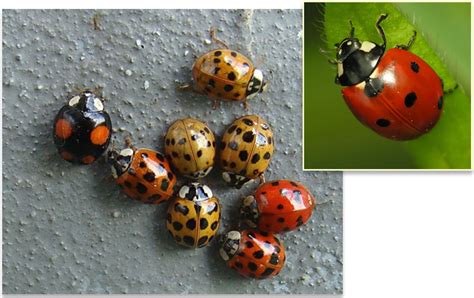
Plants That Attract Beneficials:
- Dill, Fennel, Parsley, Caraway: These umbrella-shaped flowers (umbellifers) provide easy landing pads and nectar for ladybugs, lacewings, hoverflies, and predatory wasps.
- Sweet Alyssum & Cosmos: Their tiny flowers are perfect for attracting minute pirate bugs and predatory mites.
- Yarrow & Shasta Daisy: Flat-topped flowers that attract a variety of beneficial insects.
Soil Health: The Foundation of Resistance
A often-overlooked aspect of pest deterrence is the health of your soil. Robust, healthy plants grown in nutrient-rich, well-draining soil are inherently more resilient to pest attacks. Pests often target stressed or weakened plants.
Regularly amend your soil with compost, practice crop rotation, and avoid over-fertilizing with high-nitrogen fertilizers (which can produce lush, soft growth that’s attractive to aphids). Healthy soil leads to healthy plants, which are less appealing and more resistant to pest infestations.
Integrated Natural Pest Management: A Holistic Approach
The most effective DIY method to deter garden pests naturally is not a single trick, but an integrated system. It combines the preventative power of companion planting, the targeted intervention of homemade sprays and barriers, the recruitment of beneficial insects, and the foundational strength of healthy soil. By employing these methods in concert, you create a balanced ecosystem that keeps pests in check and allows your garden to flourish.
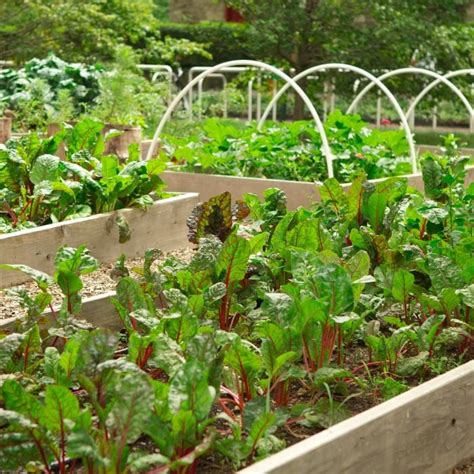
Patience and observation are key. Regularly inspect your plants for early signs of pests, and respond promptly with the most appropriate natural method. With dedication to these eco-friendly strategies, you can enjoy a beautiful, productive, and pest-resistant garden that thrives in harmony with nature.