
What’s the most effective DIY solution for storing root vegetables without electricity?

Storing root vegetables effectively without electricity is a skill that dates back centuries, a testament to human ingenuity before modern refrigeration. Whether you’re aiming for greater self-sufficiency, preparing for emergencies, or simply looking to preserve your garden’s bounty sustainably, several DIY solutions can keep your carrots, potatoes, beets, and other root crops fresh for months. The key lies in mimicking nature’s ideal conditions: cool, dark, and humid.
The Timeless Art of Non-Electric Root Vegetable Storage
The core principle behind successful non-electric root vegetable storage is creating an environment that slows down respiration and prevents dehydration and spoilage. Root vegetables naturally store well because they are designed to survive underground through dormant periods. By controlling temperature, humidity, and light, we can significantly extend their freshness.

The Top Contender: The DIY Root Cellar (or Modified Version)
Undoubtedly, the most effective DIY solution is some form of a root cellar. A traditional root cellar is a structure, often underground or partially underground, designed to maintain a consistently cool temperature (just above freezing, typically 35-45°F or 2-7°C) and high humidity (85-95%). These conditions are perfect for most root vegetables.
Simple DIY Root Cellar Solutions:
- Buried Trash Can/Barrel Cellar: Dig a hole large enough to accommodate a clean, food-grade plastic trash can or barrel. Place a layer of straw or sand at the bottom, then layer your vegetables (not touching each other) with more straw, sand, or sawdust. Bury the container, leaving a small portion of the lid exposed for ventilation, covered with a heavy stone or insulation. Ensure drainage is good to prevent waterlogging.
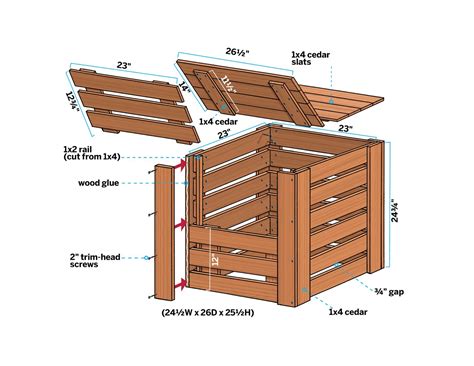
- Insulated Box in an Unheated Space: If burying isn’t an option, an insulated wooden box or chest placed in an unheated basement, garage, or shed can serve as a mini root cellar. Line it with hardware cloth to deter pests, then fill with layers of vegetables separated by damp sand, sawdust, or peat moss. Good air circulation around the box is important.
- Earth Clamps or Mounds: For larger quantities, this method involves piling root vegetables on a well-drained spot on the ground, covering them with layers of straw, then a layer of soil (an ‘earth clamp’). A small vent pipe can be added for air circulation. This creates a natural, insulated environment.
Alternative Highly Effective Methods
While a dedicated root cellar offers the best results, other simple, electricity-free methods are highly effective for many gardeners.
Sand Storage Method
Storing root vegetables in damp sand is a remarkably effective technique. Find a sturdy bin, bucket, or wooden crate. Fill it with several inches of clean, coarse sand (play sand is fine). Place a single layer of root vegetables on the sand, ensuring they don’t touch each other. Cover with more sand, then add another layer of vegetables. Repeat until the container is full. The sand helps maintain humidity and prevents rot by isolating individual vegetables. Store the container in the coolest, darkest part of your home, like an unheated basement or garage.
Peat Moss or Sawdust Method
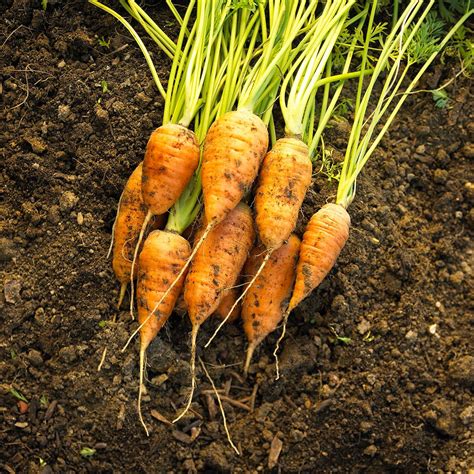
Similar to sand, peat moss or sawdust can be used. Peat moss has excellent moisture retention properties, while sawdust (from untreated wood) provides insulation and separation. Layer vegetables in bins with slightly damp peat moss or sawdust, storing them in a cool, dark location. Ensure the material isn’t too wet, which can encourage mold.
Essential Preparation for Long-Term Storage
Regardless of the method chosen, proper preparation of your root vegetables is crucial:
- Harvest Carefully: Avoid bruising or cutting the vegetables, as damaged areas are entry points for rot.
- Curing: Some root vegetables, like potatoes and sweet potatoes, benefit from a curing period. For potatoes, cure them in a dark, humid place at 50-60°F (10-15°C) for 1-2 weeks. Sweet potatoes need warmer, more humid conditions (80-85°F / 27-29°C and 90% humidity) for about 10 days.
- Clean, Don’t Wash: Brush off excess dirt, but do not wash the vegetables before storage, as moisture can promote spoilage.
- Trim Greens: Remove all green tops (e.g., from carrots, beets, radishes), leaving about an inch of stem to prevent moisture loss from the root.
- Inspect: Only store healthy, blemish-free vegetables. One rotten vegetable can spoil the whole batch.
Maintaining Your Stored Harvest
Even with the best storage solution, regular checks are necessary. Periodically inspect your stored vegetables for any signs of spoilage, mold, or sprouting. Remove any compromised items immediately to prevent them from affecting others. Ensure the storage medium (sand, peat, sawdust) maintains a consistent, slightly damp moisture level – not too wet, not too dry.

Conclusion
While the sophisticated root cellar (or a well-executed modified version) generally offers the most consistent and long-lasting storage for a wide variety of root vegetables, simpler methods like sand or peat moss storage are also highly effective and accessible. By understanding the principles of cool, dark, and humid conditions, and taking care in preparation, anyone can successfully preserve their harvest without relying on electricity, fostering a more sustainable and resilient food system.