

What’s the safest method for canning homemade tomato sauce from garden harvest?

Ensuring Safe Homemade Tomato Sauce Preservation
Harvesting a bounty of ripe tomatoes from your garden is one of summer’s great joys. Turning those fresh tomatoes into a delicious, shelf-stable sauce is a rewarding project, but food safety is paramount. Tomatoes, while often thought of as acidic, can sometimes hover on the border between high and low acid, making careful processing crucial to prevent the growth of harmful bacteria, particularly Clostridium botulinum.
The key to safe canning of tomato sauce lies in understanding and controlling the acidity (pH level). A pH of 4.6 or lower is necessary to safely use the boiling water bath method. If the pH is higher, a pressure canner becomes essential. Let’s explore the safest methods.

Method 1: Water Bath Canning with Added Acid
This is the most common and often preferred method for home canners, but it requires careful attention to acidification. While many tomato varieties have a pH below 4.6, variations in growing conditions, ripeness, and specific varieties can lead to higher pH levels. To ensure safety, always add acid when water bath canning tomato sauce.
Acidification Guidelines:
- Lemon Juice: Use 2 tablespoons of bottled lemon juice per quart of sauce, or 1 tablespoon per pint. Bottled lemon juice is recommended over fresh because its acidity level is standardized.
- Citric Acid: Use 1/2 teaspoon of granular citric acid per quart of sauce, or 1/4 teaspoon per pint.
- Vinegar: White vinegar (5% acidity) can also be used, but it can alter the flavor more significantly. Use 4 tablespoons per quart or 2 tablespoons per pint.
Add the chosen acid directly to the clean jars before filling them with hot sauce. This ensures even distribution throughout the jar’s contents.
Water Bath Canning Steps:
- Prepare Tomatoes: Wash, core, and chop tomatoes. You can peel them by blanching them briefly in boiling water and then shocking them in ice water, though peeling is optional for sauce.
- Cook Sauce: Simmer tomatoes until they break down. You can pass them through a food mill for a smoother sauce. Cook to your desired consistency. Keep the sauce hot.
- Prepare Jars: Use clean, hot canning jars. Add the appropriate amount of acid to each jar.
- Fill Jars: Ladle hot sauce into hot jars, leaving 1/2 inch of headspace.
- Remove Air Bubbles: Use a non-metallic utensil to remove air bubbles. Adjust headspace if necessary.
- Wipe Rims: Clean jar rims with a damp cloth to ensure a good seal.
- Apply Lids and Rings: Place new, pre-warmed lids on jars and screw on bands finger-tight.
- Process in Water Bath: Place jars in a boiling water canner, ensuring they are covered by at least 1-2 inches of water. Bring to a rolling boil and process for the recommended time (typically 35-40 minutes for pints, 40-45 minutes for quarts, adjusting for altitude).
- Cool and Check Seals: Remove jars, let them cool undisturbed for 12-24 hours. Check seals; lids should be concave and not flex when pressed.

Method 2: Pressure Canning for Unacidified or Thick Sauces
If you prefer not to add acid to your tomato sauce, or if you are making a very thick sauce with added low-acid vegetables (like peppers, onions, or mushrooms) that significantly dilute the tomatoes’ acidity, pressure canning is the only safe method. Pressure canning reaches temperatures high enough (240°F / 116°C or higher) to destroy Clostridium botulinum spores, regardless of the food’s acidity.
When to Choose Pressure Canning:
- You do not want to add lemon juice or citric acid.
- Your sauce includes a high proportion of low-acid ingredients.
- You are making a very thick sauce where heat penetration might be an issue in a water bath.
Pressure Canning Steps (General):
- Prepare Sauce and Jars: As with water bath canning, prepare your sauce, keeping it hot. Use clean, hot canning jars.
- Fill Jars: Ladle hot sauce into hot jars, maintaining the recommended headspace (usually 1 inch for pressure canning).
- Remove Air Bubbles, Wipe Rims, Apply Lids and Rings: Follow the same steps as for water bath canning.
- Load Pressure Canner: Place jars onto the rack in the pressure canner, ensuring water levels are as specified by your canner’s manufacturer (typically 2-3 inches).
- Vent Canner: Secure the lid and turn on high heat. Allow steam to escape steadily from the vent pipe for 10 minutes (this is crucial for expelling all air).
- Process Under Pressure: Place the weighted gauge or close the petcock. Bring the canner to the specified pressure (usually 10-11 pounds for most altitudes) and maintain it for the recommended processing time (typically 20-30 minutes for pints, 25-30 minutes for quarts).
- Depressurize and Cool: Turn off heat and allow the canner to cool naturally until the pressure gauge reads zero. Do NOT rush the cooling. Once depressurized, wait another 5-10 minutes before opening the lid carefully away from your face.
- Cool and Check Seals: Remove jars, let them cool undisturbed for 12-24 hours. Check seals.

Essential Safety Considerations for All Methods
- Follow Tested Recipes: Always use current, tested canning recipes from reputable sources like the National Center for Home Food Preservation (NCHFP), university extension offices, or USDA guidelines. Do not rely on old family recipes that may not meet modern safety standards.
- Equipment Check: Ensure your canner (both water bath and pressure) is in good working order. Pressure canner gauges should be tested annually.
- Jar & Lid Integrity: Use only jars specifically designed for canning. Always use new lids; screw bands can be reused if not rusty or bent.
- Proper Headspace: Incorrect headspace can lead to poor seals or food spoilage.
- Processing Times & Altitudes: Adjust processing times and/or pressure levels according to your altitude. This is a non-negotiable step for safe canning.
Choosing Your Method
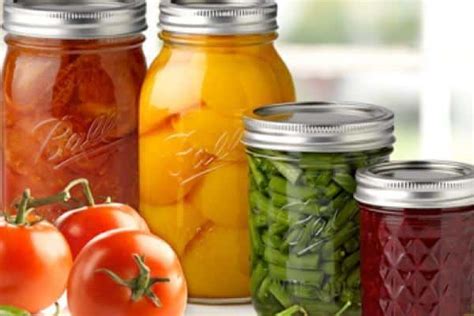
For most home canners making plain tomato sauce, the water bath method with added acid is a reliable and safe choice. It’s simpler and requires less specialized equipment than pressure canning. However, if you are creating a complex sauce with many low-acid ingredients, or if you simply prefer not to alter the natural acidity of your tomatoes, then a pressure canner is your indispensable tool.
No matter which method you choose, meticulous attention to detail and adherence to tested guidelines are your best defense against foodborne illness. Enjoy the fruits of your labor safely and confidently!