What’s the safest, simplest method for preserving summer’s excess garden harvest?
Embracing Summer’s Abundance: The Quest for Simple Preservation
Summer in the garden brings a joyous bounty, but often, it brings more than one household can consume fresh. The dilemma for many gardeners is how to preserve this abundant harvest without complicated processes or compromising safety. While there are numerous methods, identifying the safest and simplest approach is key to enjoying your homegrown goodness throughout the year.
From crisp beans to juicy tomatoes and sweet berries, your efforts deserve a preservation method that respects both your time and the quality of your produce. Let’s explore the options and pinpoint the ideal solution for keeping those summer flavors alive.
Understanding Your Preservation Options
When faced with a glut of garden produce, several common preservation techniques come to mind: freezing, dehydrating, and canning. Each has its merits, but they differ significantly in terms of the equipment required, the time commitment, and the potential safety considerations. Our goal is to find the method that offers the most straightforward process with the least risk.
Freezing: The Uncontested Champion of Simplicity and Safety
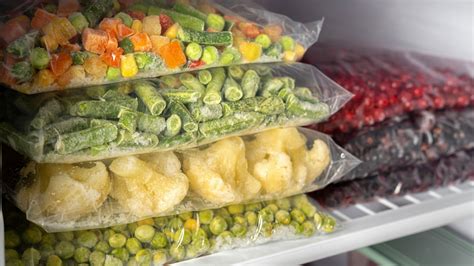
For most home gardeners looking for the safest and simplest method to preserve their summer harvest, freezing stands out as the clear winner. This technique requires minimal specialized equipment beyond a freezer and appropriate storage containers or bags. Unlike canning, there’s no complex sterilization or precise pressure regulation involved, significantly reducing the learning curve and the risk of foodborne illnesses like botulism, which can be a concern with improperly canned low-acid foods.
Freezing effectively halts the spoilage process by stopping enzyme activity and microbial growth. It’s incredibly versatile, suitable for a wide array of fruits and vegetables, and generally preserves the taste, texture, and nutritional value of produce better than many other methods.
Dehydrating: A Close Second for Simplicity
Dehydrating, or drying, is another relatively simple method that eliminates water content from food, thereby preventing spoilage. It’s excellent for herbs, fruit leathers, and even some vegetables. While it requires a dehydrator (or a very sunny, dry environment), the process is largely hands-off once the food is prepared and placed inside. Dried foods are lightweight and shelf-stable, making them ideal for long-term storage without refrigeration.
However, dehydrating can alter the texture of some foods more significantly than freezing, and the time required can be substantial. Safety concerns are minimal if food is thoroughly dried and stored in airtight containers, but it typically doesn’t retain the ‘fresh’ quality as well as freezing.
Canning: Advanced Techniques, Higher Stakes
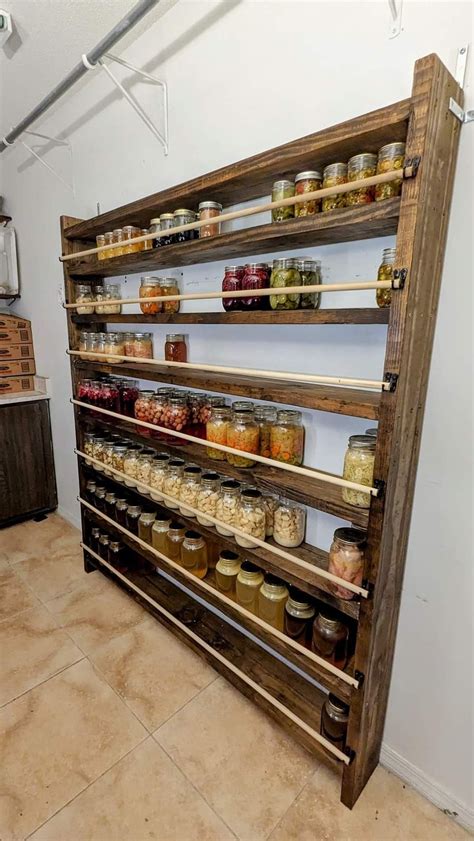
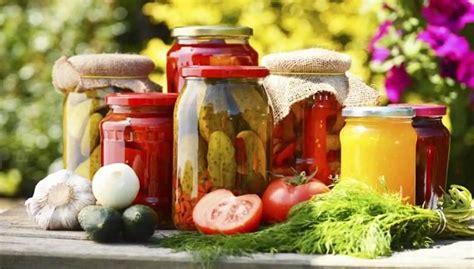
Canning, both water bath and pressure canning, allows for shelf-stable storage of food in jars. While incredibly rewarding, it is generally not considered the simplest or safest method for beginners or for preserving a general ‘excess’ without specific knowledge. Water bath canning is suitable only for high-acid foods (like most fruits, pickles, and tomatoes with added acid), while pressure canning is mandatory for low-acid foods (most vegetables, meats, and mixed recipes) to eliminate the risk of botulism.
Canning requires strict adherence to tested recipes, precise temperatures, and correct processing times. Mistakes can lead to spoiled food or, more seriously, dangerous foodborne illnesses. While an excellent skill, it demands more equipment, attention to detail, and understanding of food science than freezing or basic dehydrating.
Practical Steps for Freezing Your Harvest
To successfully freeze your garden’s bounty, follow these simple steps:
- Clean and Prepare: Wash produce thoroughly. Trim, peel, or chop as desired for future use.
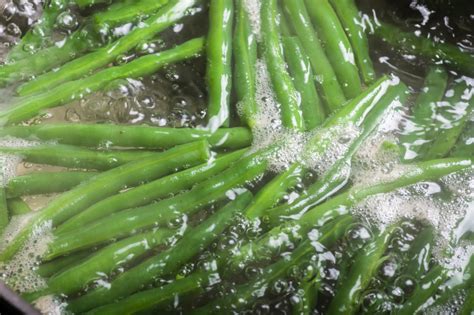
- Blanch (for most vegetables): For many vegetables (like green beans, corn, broccoli), blanching in boiling water for a short period, followed by an ice bath, is crucial. This stops enzyme action that can cause loss of flavor, color, and texture during freezing. Fruits generally do not require blanching.
- Portion: Divide the prepared produce into meal-sized portions. This makes thawing and cooking easier later.
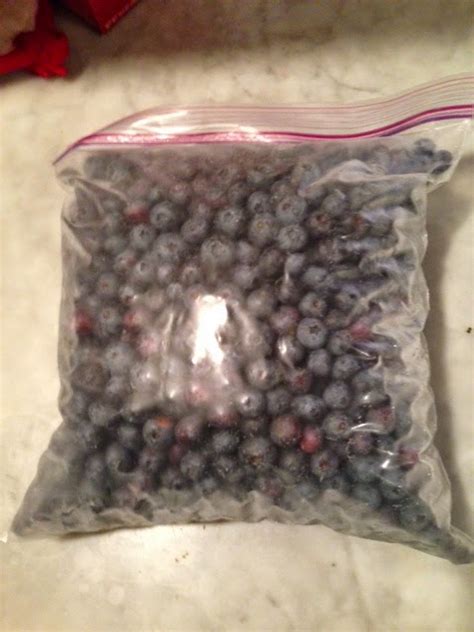
- Pack: Place portions into freezer-safe bags, containers, or vacuum-seal bags. Remove as much air as possible to prevent freezer burn.
- Label: Clearly label each package with the contents and the date.
- Freeze: Place in the coldest part of your freezer.
Examples: Berries can often be frozen whole on a baking sheet first, then transferred to bags. Corn can be blanched on the cob or cut off. Green beans require blanching.
Maximizing Your Frozen Bounty
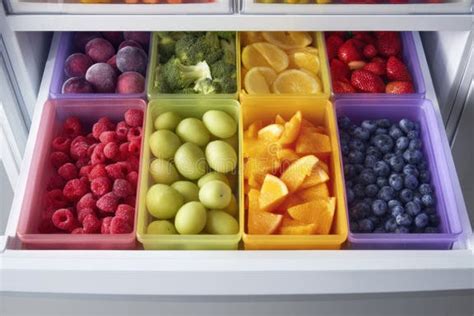
Freezing offers immense flexibility. You can freeze individual ingredients for later inclusion in soups, stews, smoothies, or stir-fries. Organize your freezer to easily locate items, and aim to use frozen produce within 8-12 months for best quality, though it remains safe indefinitely at 0°F (-18°C).
Conclusion: Freeze with Confidence
When balancing safety, simplicity, and the desire to enjoy your summer harvest year-round, freezing emerges as the superior choice for most home gardeners. It’s a straightforward, forgiving method that preserves the fresh taste and nutritional value of your produce with minimal risk. So, next time your garden overflows, embrace the freezer as your go-to tool for capturing the essence of summer.