What’s the safest way to water bath can garden-fresh green beans?
Understanding the Basics of Green Bean Preservation
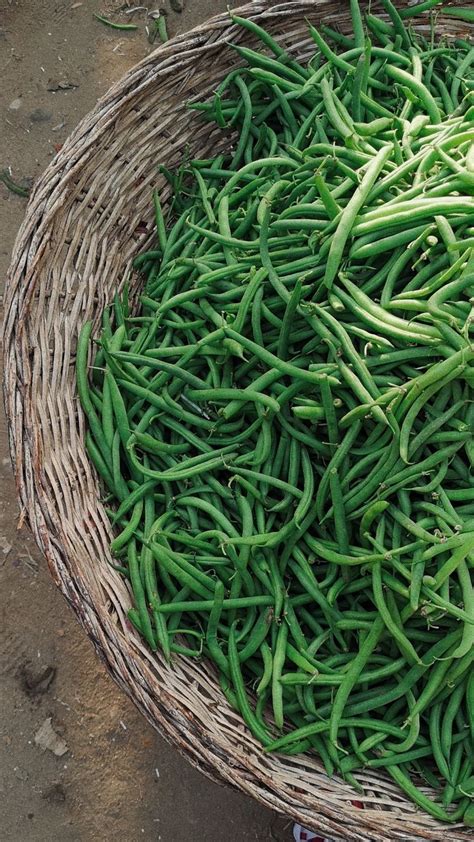
There’s nothing quite like the satisfaction of harvesting a bounty of fresh green beans from your garden. Preserving this freshness to enjoy year-round is a goal for many home gardeners. Canning is a popular method, allowing you to store these nutritious vegetables right in your pantry. However, when it comes to green beans, the ‘safest way’ to can them involves understanding critical food safety principles.
The Critical Distinction: Low-Acid Foods and Botulism Risk
Green beans are classified as a low-acid food, meaning they have a pH level higher than 4.6. This distinction is crucial for canning safety because low-acid foods create an ideal environment for the growth of Clostridium botulinum, the bacteria that produces the deadly botulinum toxin. This bacteria thrives in anaerobic (oxygen-free) environments, such as sealed canning jars, and its spores can survive temperatures achieved during water bath canning.
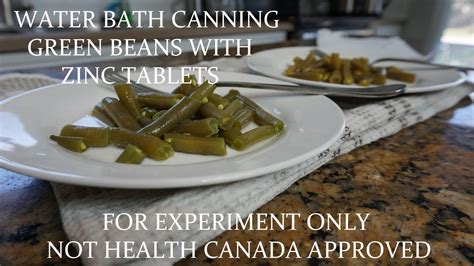
Therefore, to directly answer the question: water bath canning is NOT a safe method for plain garden-fresh green beans. The temperatures reached in a boiling water bath (212°F or 100°C) are not high enough to destroy the botulinum spores present in low-acid foods. Relying on water bath canning for plain green beans poses a significant risk of foodborne illness, including botulism, which can be fatal.
The Safest Method: Pressure Canning for Green Beans
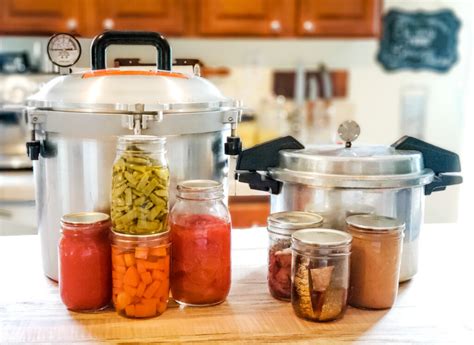
For plain green beans and other low-acid vegetables, the only safe and recommended method for canning is pressure canning. A pressure canner operates by creating steam under pressure, which raises the temperature inside the canner significantly above the boiling point of water (typically to 240-250°F or 116-121°C). These higher temperatures are essential to destroy botulinum spores, ensuring the safety of your canned goods.
When pressure canning green beans, you can choose between a raw pack or a hot pack method. Both require clean jars, new lids, and specific processing times and pressures based on your altitude. Always consult current, tested recipes from reputable sources like the USDA or the National Center for Home Food Preservation (NCHFP) to ensure correct processing.
When Water Bath Canning IS Safe for Green Beans (With a Twist!)
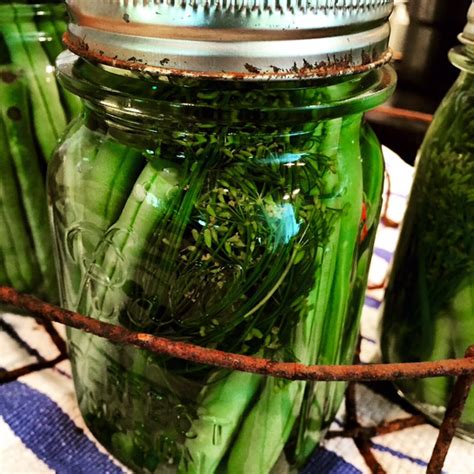
There is an exception where green beans can be safely processed in a boiling water bath: when they have been sufficiently acidified. This is the principle behind recipes for pickled green beans, often called ‘dilly beans.’ By adding a significant amount of vinegar or other acidic ingredients, the overall pH of the product is lowered to 4.6 or below, making it safe for water bath canning. The added acid inhibits the growth of botulinum spores.
It is crucial to use only tested recipes for pickled green beans, as the ratio of acid to vegetables and liquids is scientifically determined to ensure safety. Do not attempt to create your own acidified green bean recipes without expert guidance, as incorrect acid levels can still pose a botulism risk.
Essential Safety Tips for Any Canning Project
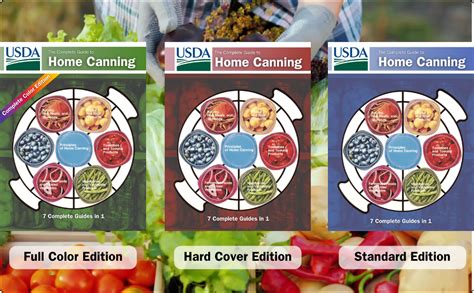
- Use Tested Recipes: Always follow recipes from reliable sources like the USDA Complete Guide to Home Canning or the NCHFP.
- Inspect Equipment: Ensure your pressure canner is in good working order, jars are free of cracks, and new lids are used for each batch.
- Proper Headspace: Leave the recommended amount of headspace in each jar to allow for proper sealing.
- Altitude Adjustments: Adjust processing times or pressures if you live at a higher altitude, as boiling points change with elevation.
- Check Seals: After cooling for 12-24 hours, check that all jars have sealed properly (lids should be concave and not flex when pressed).
Common Mistakes to Avoid
Mistakes in canning can compromise safety. For green beans, the most critical error is attempting to water bath can plain beans. Other common pitfalls include:
- Altering tested recipes, especially the amount of acid in pickled products.
- Not venting the pressure canner properly before closing the petcock or weighted gauge.
- Using jars that are chipped or cracked, which can prevent a proper seal.
- Reusing old canning lids (the sealing compound is designed for one-time use).
- Forgetting to adjust for altitude, leading to under-processing.
While the desire to preserve your garden’s bounty is commendable, safety must always come first. For plain garden-fresh green beans, pressure canning is the only method that ensures a safe product free from the risk of botulism. If you wish to use a water bath canner, transform your green beans into a safe, acidified product like dilly beans using a tested recipe. Enjoy your harvest, safely preserved!