




What’s the secret to fluffy, tender homemade biscuits every time?

The Quest for Perfect Biscuits: Unveiling the Secrets
There are few things as comforting and satisfying as a warm, flaky, fluffy biscuit, fresh from the oven. Yet, many home bakers struggle to achieve that perfect balance of tenderness and loft. The good news is, the secret isn’t elusive magic; it’s a combination of understanding key ingredients and mastering a few simple techniques that elevate your biscuits from good to absolutely glorious every single time.
Cold Ingredients: The Non-Negotiable Foundation
This is arguably the most critical rule for achieving those coveted flaky layers. Whether you’re using butter, shortening, or a combination, your fat MUST be very cold. When cold butter is incorporated into the flour and then melts during baking, it releases steam, creating pockets of air that result in a light, flaky texture. If the butter is too warm, it melts into the flour prematurely, leading to a dense, tough biscuit.
Equally important is cold liquid—be it buttermilk or milk. Cold liquid helps keep the fat solid for longer, ensuring those crucial steam pockets form during baking. Some bakers even chill their flour for an extra edge!
![[200+] Cold Pictures | Wallpapers.com](/images/aHR0cHM6Ly90czEubW0uYmluZy5uZXQvdGg/aWQ9T0lQLm96NW95VzlLcm42R2JmaTJnZ2VhN1FIYUZMJnBpZD0xNS4x.webp)
The Right Flour: Low Protein is Key
While all-purpose flour can work, many biscuit aficionados swear by a lower-protein flour, like soft wheat flour or even a mix including cake flour. Lower protein content means less gluten development, which directly translates to a more tender biscuit. If gluten develops too much, your biscuits will become chewy and tough. When using all-purpose flour, be mindful of its protein content and adjust your mixing accordingly.
Gentle Handling: The Art of Mixing and Folding
Once you have your cold ingredients and the right flour, how you mix them is paramount. Overworking the dough is the quickest way to activate gluten and ruin your biscuits. Mix just until the ingredients are combined, with some visible shaggy bits of butter still present.
Instead of kneading, many professional bakers use a laminating or folding technique. This involves gently patting out the dough, folding it over on itself several times (like an envelope), and repeating. This process creates distinct layers without overworking the dough, contributing significantly to the biscuit’s rise and flakiness.
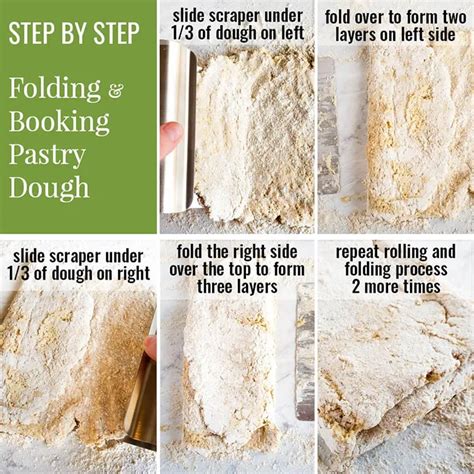
When it comes to cutting, use a sharp biscuit cutter and press straight down; do not twist. Twisting seals the edges of the biscuit, preventing it from rising as high. For extra height, place biscuits close together on the baking sheet so they can help each other rise.
Leavening: Fresh and Balanced
Your leavening agents—baking powder and baking soda—are responsible for the lift. Ensure they are fresh; old leaveners lose their potency, resulting in flat biscuits. Most biscuit recipes call for a generous amount of baking powder, often combined with baking soda if using buttermilk (which reacts with the soda to create more rise).
The Oven’s Role: Hot and Fast
Biscuits love a hot oven. Typically, temperatures between 425°F and 475°F (220°C and 245°C) are ideal. A high temperature helps set the exterior quickly, creating a crust, while the interior bakes rapidly and the cold butter creates steam. This quick bake prevents the biscuits from drying out and encourages a beautiful rise.

Always preheat your oven thoroughly before placing biscuits inside. Don’t be tempted to peek too early, as opening the oven door can cause a drop in temperature and hinder their rise.
The Final Touch: Serve Warm
Biscuits are at their absolute best when served warm, straight from the oven. Slather them with butter, jam, honey, or smother them in gravy. The tender interior and crispy exterior are a fleeting delight that demands immediate enjoyment.
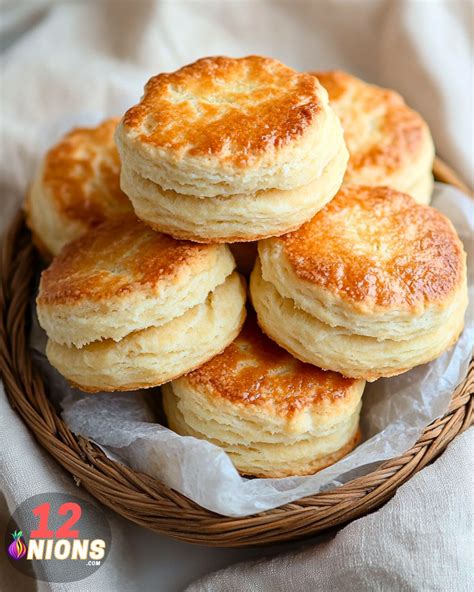
By focusing on these core principles—cold ingredients, gentle handling, appropriate flour, fresh leavening, and a hot oven—you’ll unlock the secret to consistently fluffy, tender homemade biscuits that will impress everyone at your table.