




What’s the secret to keeping homemade pickles crisp?

The Quest for the Perfect Crunch
There’s nothing quite like the tangy, crunchy bite of a homemade pickle. Yet, many home canners face the common disappointment of opening a jar only to find their once-firm cucumbers have turned soft and mushy. The secret to consistently crisp pickles isn’t a single magic ingredient, but rather a combination of careful techniques and understanding the science behind the crunch.
Start with Superior Cucumbers
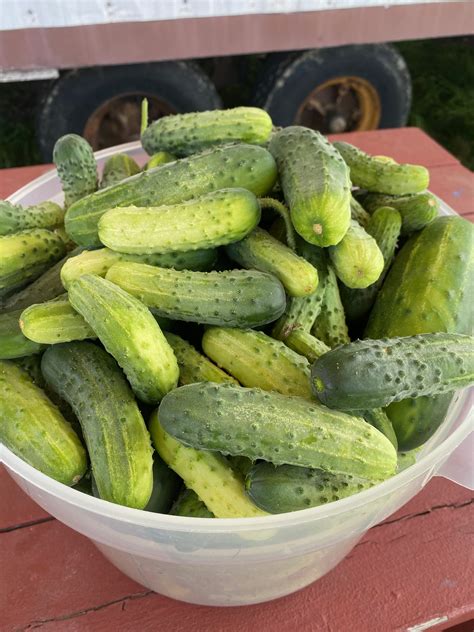
The foundation of a crisp pickle begins with your produce. Not all cucumbers are created equal for pickling. Opt for pickling varieties like Kirby or Persian cucumbers, which have thinner skins and fewer seeds. Choose firm, blemish-free cucumbers, ideally harvested the same day you plan to pickle them. Older cucumbers naturally lose moisture and firmness, making them less likely to stay crisp.
Before pickling, give your cucumbers a good wash. Many experienced picklers also recommend trimming off about 1/16 inch from both ends of the cucumber. The blossom end (where the flower was attached) contains enzymes that can contribute to softening.
The Ice Bath Advantage
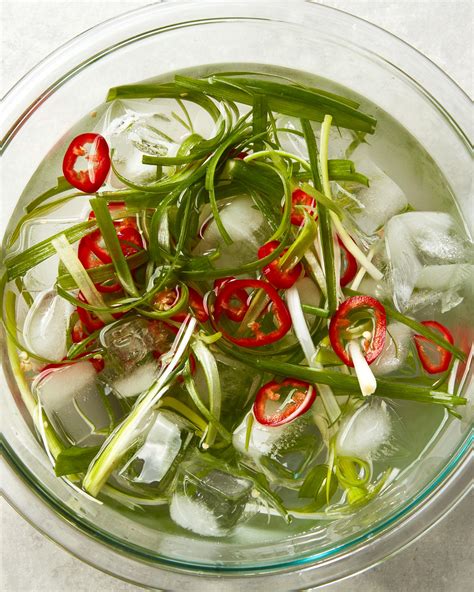
A simple yet effective trick for firming up cucumbers before pickling is an ice bath. Soaking washed and trimmed cucumbers (whole or sliced) in ice water for 2-4 hours, or even overnight in the refrigerator, helps draw out excess water and firms up their cell structure. This pre-soak prepares them to better absorb the pickling brine and retain their crunch.
The Power of Proper Brine
Salt Matters
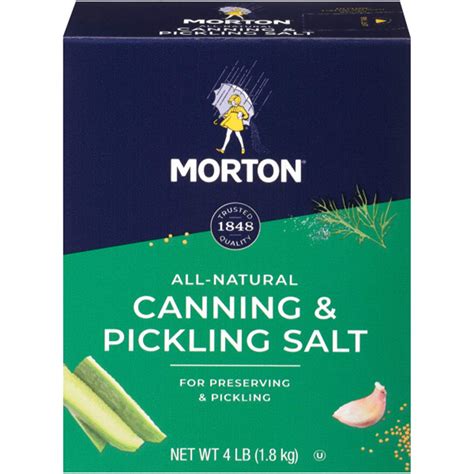
Use pickling or canning salt, which is pure granulated salt without anti-caking agents or iodine. These additives can make the brine cloudy and potentially affect the texture and flavor of your pickles. The right salt concentration is crucial for preservation and contributes to firmness.
Vinegar’s Role
For safe canning and crispness, use vinegar with at least 5% acidity, typically white vinegar or apple cider vinegar. The acidity not only preserves the pickles but also helps maintain their structure. Never dilute the vinegar strength unless the recipe specifically calls for it and is tested safe.
Introducing Pickle Crisp (Calcium Chloride)
While not strictly necessary, a food-grade product like Ball Pickle Crisp (calcium chloride) can significantly enhance firmness. It’s a natural mineral that strengthens pectin in fruits and vegetables, preventing mushiness. A small amount added to each jar can make a noticeable difference.

Heat Management and Processing
Over-processing is a common culprit for soft pickles. When heat canning, follow tested recipes precisely for processing times. Over-exposing pickles to high heat can break down their cell walls, leading to a mushy texture. A shorter, more precise processing time is always better for crispness.
For refrigerator pickles, which aren’t heat processed, crispness is usually less of an issue, but the initial cucumber quality and ice bath steps are still beneficial.
Cooling and Storage
After processing, allow jars to cool naturally at room temperature on a towel or cooling rack, undisturbed for 12-24 hours. Avoid rapid cooling, which can compromise the seal. Once sealed, store pickles in a cool, dark place. Proper storage allows the flavors to meld and the pickles to fully develop their texture without degradation.
Embrace the Crunch
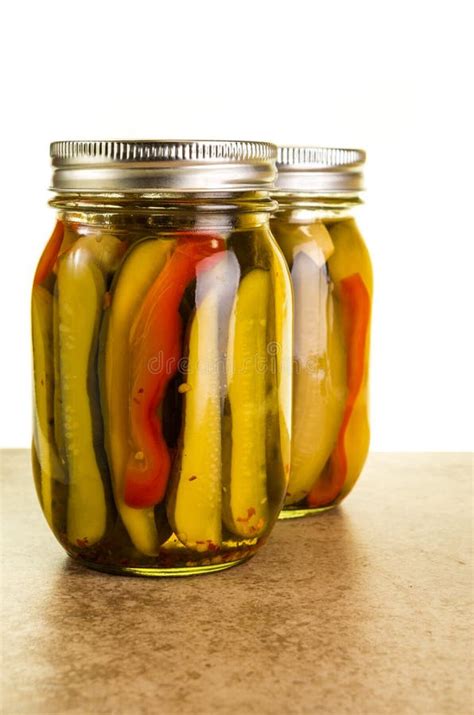
Achieving consistently crisp homemade pickles is a rewarding endeavor that combines fresh, quality ingredients with precise techniques. By paying attention to your cucumbers, preparing them properly, using the right brine, and managing heat carefully, you’ll soon be enjoying that satisfying crunch every time you open a jar. Happy pickling!