




What’s the secret to light, flaky homemade biscuits every time from scratch?
The Quest for Perfect Homemade Biscuits
There’s nothing quite like a warm, tender, and impossibly flaky biscuit, hot from the oven. For many, homemade biscuits evoke feelings of comfort and nostalgia. However, the path to consistently light and airy results can seem shrouded in mystery. Fear not, aspiring bakers! The secret isn’t magic; it’s a combination of understanding key ingredients and employing precise techniques. Let’s unlock the delicious science behind truly exceptional biscuits.
The Cornerstone: Cold Ingredients
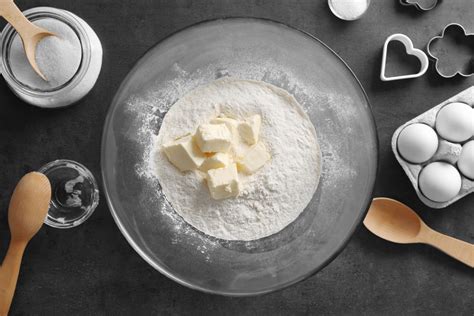
The single most crucial element for flaky biscuits is using very cold ingredients, especially your butter. When tiny pieces of cold butter melt in the hot oven, they release steam, which creates pockets of air, resulting in those coveted layers. Butter that is too warm will integrate too fully into the flour, leading to a dense, cake-like texture rather than distinct flakes. Likewise, using cold buttermilk helps keep the butter solid.
Tip: Cube your butter and pop it in the freezer for 15-20 minutes before you begin. You can even chill your flour and mixing bowl!
The Art of Cutting in Butter
Properly incorporating the butter is where many go astray. You want pea-sized (or even slightly larger) pieces of butter distributed throughout your flour mixture, not fully blended. A pastry blender, two knives, or even your fingertips (working quickly to avoid warming the butter) are ideal tools. The goal is to create a shaggy, coarse meal with visible butter chunks.
Gentle Handling: Less is More
Overworking biscuit dough is the enemy of tenderness. The more you mix and knead, the more gluten develops, leading to tough, chewy biscuits. Once you add the cold liquid (usually buttermilk), mix just until the dry ingredients are moistened. The dough should still look a little shaggy and sticky.
The Folding Technique for Layers (Laminating)
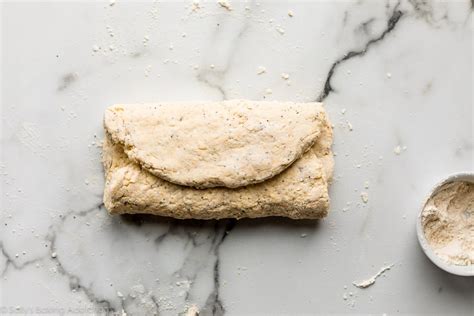
This is arguably the ‘secret sauce’ for ultimate flakiness. Instead of simply kneading, fold the dough a few times. Turn the shaggy dough out onto a lightly floured surface, gently pat it into a rectangle, then fold it into thirds (like a letter). Rotate it 90 degrees, pat it out again, and repeat the fold. Do this 3-4 times. This process creates distinct layers within the dough, which will separate into flakes as the butter melts and steams in the oven.
Cutting and Baking with Care
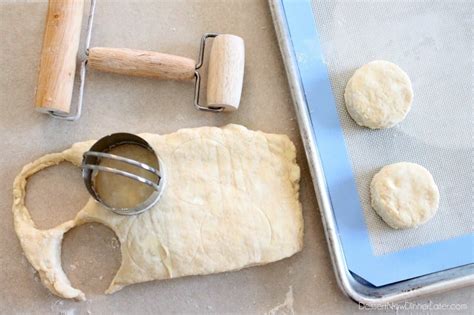
When cutting your biscuits, use a sharp biscuit cutter and press straight down – don’t twist! Twisting seals the edges, preventing the biscuits from rising high. Arrange them on a baking sheet, ideally touching slightly if you prefer softer sides, or spaced apart for crispier edges. Bake in a very hot oven (often 425-450°F / 220-230°C). The high heat helps the butter melt quickly and create steam rapidly, resulting in maximum lift and flakiness.
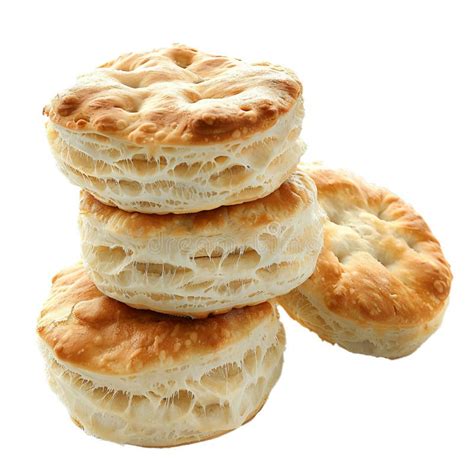
Putting It All Together for Biscuit Brilliance
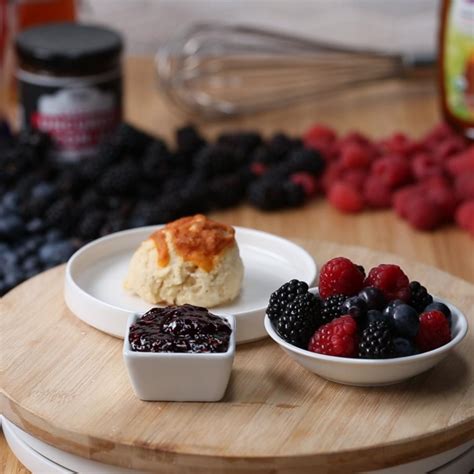
The secret to light, flaky homemade biscuits every time is a mindful approach to temperature, technique, and patience. By using cold ingredients, carefully cutting in the butter, handling the dough minimally, and employing a simple folding method, you’ll unlock the potential for these buttery, layered wonders. Serve them warm with your favorite jam, gravy, or just a pat of butter, and savor the reward of your baking prowess.