What’s the secret to light, fluffy homemade biscuits from scratch?

The allure of a warm, tender biscuit, flaky on the outside and impossibly soft within, is undeniable. Yet, for many home bakers, achieving that perfect light and fluffy texture can feel like an elusive dream, often resulting in dense, hockey-puck-like disappointments. But fear not, the secret to biscuit bliss isn’t a complex spell, but rather a combination of simple yet critical techniques. Let’s unlock the mystery together.
The Foundation: Cold Ingredients Are Key
The single most important rule in biscuit making is to keep everything COLD. This applies especially to your butter or shortening, and even your liquid (milk or buttermilk). Cold fat is essential because as it melts in the hot oven, it releases steam, creating pockets of air that give biscuits their signature lift and flakiness. If your butter is too warm, it will fully incorporate into the flour, resulting in a tougher, less airy biscuit.
Using cold liquid further helps to keep the butter solid and prevents overmixing. The colder your ingredients, the less likely you are to overwork the dough, which brings us to our next crucial point.

Mastering the Mix: Gentle Hands and Minimal Handling
When making biscuits, your enemy is gluten development. Gluten is what gives bread its chewiness, but for biscuits, we want tenderness and flakiness. Overmixing the dough, or handling it too much, develops the gluten, making your biscuits tough and dense. The goal is to mix just enough to bring the ingredients together.
Whether you’re using a pastry blender, a fork, or your fingertips, work quickly to cut the cold butter into the flour until it resembles coarse crumbs with some pea-sized pieces still visible. When adding the liquid, stir just until the flour is moistened and the dough barely comes together. It will look shaggy and sticky – that’s perfectly fine!
The Secret to Layers: Folding and Stacking
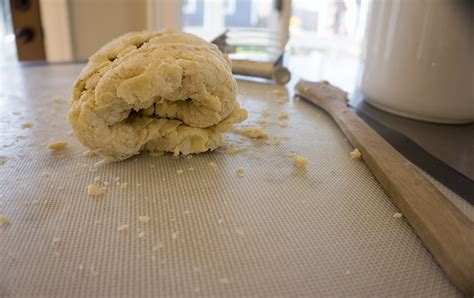
This is where the magic truly happens for those magnificent layers. Instead of simply kneading, you’ll want to employ a technique similar to laminating pastry dough. Once your dough has just come together, turn it out onto a lightly floured surface. Gently pat it into a rough rectangle, then fold it into thirds, like a letter.
Repeat this folding process 2-3 times. Each fold creates additional layers of butter and dough, which will separate into beautiful flakes as the biscuits bake. Be careful not to press too hard or roll too vigorously; gentle handling is still paramount to prevent gluten development.
Cutting and Baking for Optimal Rise
The way you cut your biscuits can significantly impact their rise. Use a sharp biscuit cutter (or even a drinking glass) and press straight down through the dough without twisting. Twisting seals the edges of the biscuit, preventing them from rising as high. For extra tall biscuits, you can arrange them closely together on the baking sheet; they will help support each other as they rise.
Finally, bake your biscuits in a very hot oven, typically 425-450°F (220-230°C). The initial blast of high heat helps the butter melt rapidly and release steam, pushing the layers upwards before the crust fully sets. This results in that glorious oven spring and golden-brown perfection.

Final Tips for Biscuit Perfection
- Don’t Skimp on Fat: Quality butter or shortening contributes both flavor and texture.
- Bake Immediately: Once cut, get those biscuits into the hot oven as quickly as possible to prevent the butter from warming up.
- Use Buttermilk: The acidity in buttermilk reacts with baking soda to provide extra lift and tenderness.
- Chill Dough: If your kitchen is warm, briefly chill the dough after mixing or cutting to ensure the butter stays cold.

By focusing on cold ingredients, minimal handling, strategic folding, and proper cutting and baking techniques, you’ll unlock the secret to creating light, fluffy, and undeniably delicious homemade biscuits from scratch. So go forth, embrace the chill, and prepare for biscuit glory!