
What’s the secret to making sourdough starter reliably active for country bread?
Unlocking the Power of Your Sourdough Starter
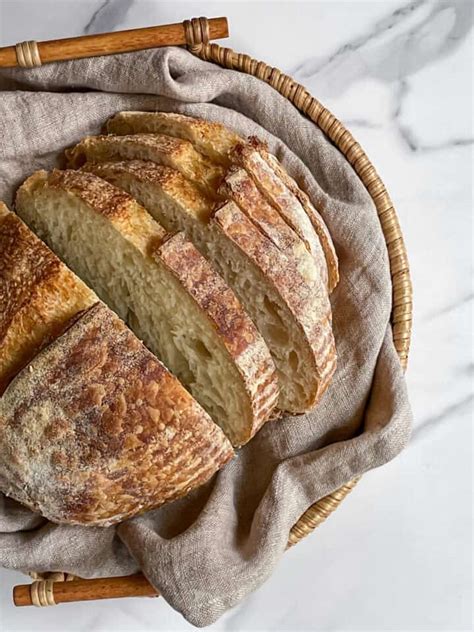
Baking a beautiful, open-crumb country bread is a deeply satisfying experience, but it all hinges on one critical element: a robust, reliably active sourdough starter. Without a strong starter, your dough won’t rise properly, resulting in dense loaves lacking that signature tang and airy texture. So, what exactly is the secret to coaxing your starter into peak performance every time?
Mastering the Feeding Ratio and Schedule
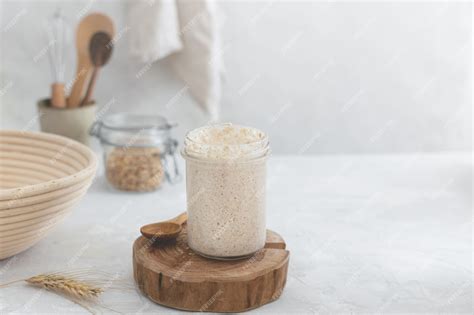
The first and most fundamental step is consistent, appropriate feeding. Many bakers find success with a 1:2:2 or 1:3:3 ratio (starter:flour:water by weight). This means for every part of existing starter, you feed it two or three parts fresh flour and an equal amount of water. A higher ratio (e.g., 1:3:3) can extend the time between feedings, which is useful for slower ferments or if you won’t be baking immediately. Feeding your starter when it’s just past its peak, typically every 8-12 hours at room temperature, ensures it always has fresh nutrients to consume.
Consistency is key. Try to feed your starter around the same time each day if it lives on the counter. If stored in the fridge, bring it out, feed it once or twice at room temperature to revive it, then use it or return it to the fridge.
The Impact of Flour Quality and Type
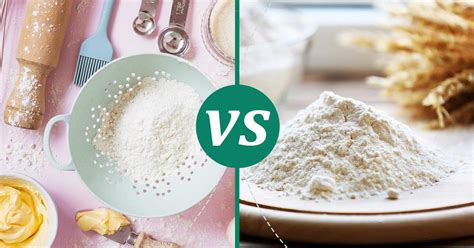
Don’t underestimate the power of good flour. Unbleached all-purpose flour or bread flour is a good base, but incorporating a small percentage (10-20%) of whole wheat or rye flour can significantly boost your starter’s activity. These flours contain more natural enzymes and nutrients that yeast and bacteria thrive on, leading to a more vigorous fermentation. Always use unbleached flour, as bleached flour can hinder microbial activity.
Optimal Hydration Levels
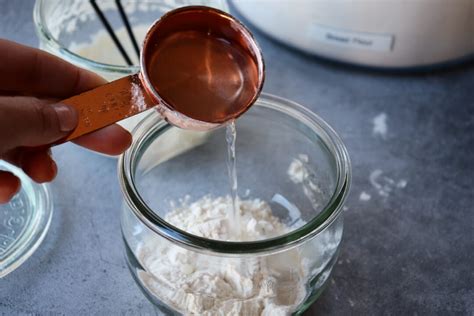
While a 100% hydration starter (equal parts flour and water) is common, adjusting hydration can influence activity. A slightly stiffer starter (e.g., 80-90% hydration) can sometimes appear slower, while a wetter starter (100% or more) might seem more active due to the ease of gas production and expansion. For country bread, a 100% hydration starter is generally preferred, as it creates a balance between viscosity and microbial mobility, making it easy to mix into your dough and achieve consistent results.
Temperature: The Unsung Hero
Temperature is perhaps the most critical environmental factor. Sourdough microbes thrive in warmer temperatures, typically between 70-80°F (21-27°C). If your kitchen is cooler, your starter will be sluggish. You might need to find a warmer spot – near a water heater, in a proofing box, or even in an oven with just the light on (be careful not to overheat!). Conversely, too high a temperature can lead to a very fast peak and collapse, depleting the starter’s energy too quickly. Observing how your starter reacts to your ambient temperature is crucial for establishing a consistent feeding schedule.
Reading Your Starter: Signs of Readiness
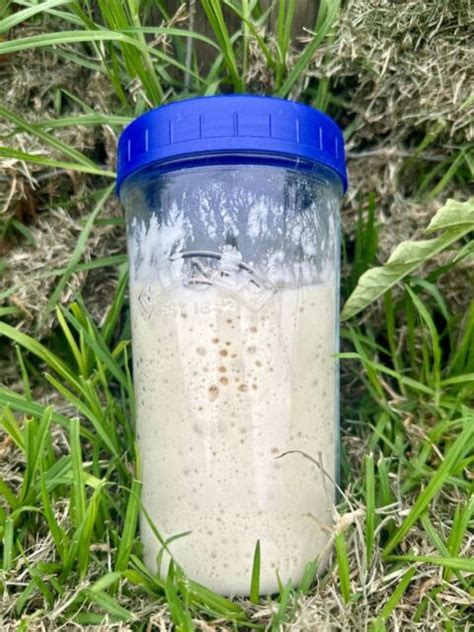
An active starter for country bread should double or triple in size, be full of visible bubbles, smell pleasantly tangy (like ripe fruit or yogurt, not sharp vinegar or acetone), and pass the float test. To perform the float test, drop a small piece of starter into a glass of water. If it floats, it’s ready; if it sinks, it needs more time to develop gases. Ideally, you want to use your starter when it’s at its peak activity, or just slightly past it, for maximum leavening power.
Maintaining a Robust Culture
Regular maintenance is vital. Even if you’re not baking frequently, a weekly feeding schedule (if stored in the fridge) is essential to keep your starter strong. Discard a portion before feeding to ensure a healthy ratio of new nutrients to existing culture. Always use clean jars and utensils to prevent contamination. With patience and attention to these details, your sourdough starter will become a consistently vigorous partner in your country bread baking endeavors, yielding loaves with incredible flavor and structure.