
What’s the secret to perfectly crisp, not soggy, roasted garden root vegetables?

The Quest for Crispy Perfection
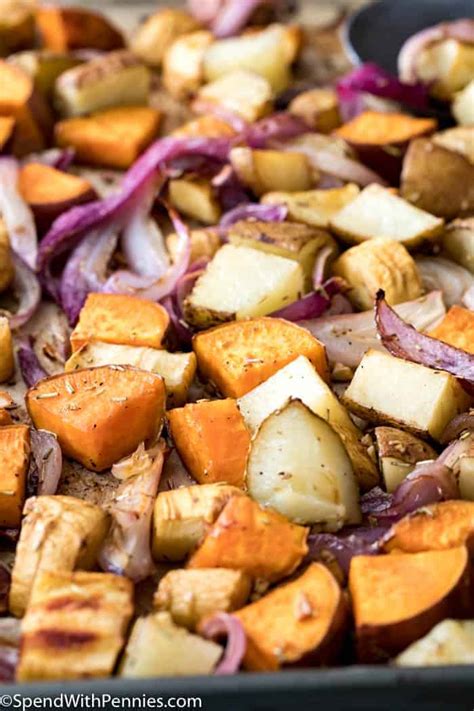
There’s nothing quite like the earthy sweetness and satisfying crunch of perfectly roasted root vegetables. Carrots, parsnips, potatoes, and sweet potatoes transform into culinary delights when kissed by high heat. Yet, many home cooks struggle to achieve that coveted crisp exterior, often ending up with a mushy, steamed result instead of a golden-brown, caramelized masterpiece. The secret lies in understanding and controlling a few key variables.
The primary culprit behind soggy roasted vegetables is moisture. When vegetables release water in a crowded, low-heat environment, they essentially steam rather than roast. The goal is to evaporate that moisture quickly, allowing the natural sugars to caramelize and the exterior to crisp up beautifully.
Key Steps to Unleash the Crispness
1. Start Dry, Stay Dry
This is arguably the most critical step. After washing your root vegetables, dry them meticulously. Use paper towels or a clean kitchen towel to pat them completely dry. Any residual moisture will create steam in the oven, hindering crispness. For extra assurance, you can even let them air-dry for 15-20 minutes after patting.
2. Uniformity is Key
Cut your vegetables into pieces of roughly the same size and shape. This ensures they cook evenly. If you have a mix of large and small pieces, the smaller ones will burn while the larger ones remain undercooked or turn soggy. Aim for pieces that are about 1 to 1.5 inches in diameter for most root vegetables.
3. The Right Fat, Applied Right
Choose an oil with a high smoke point, such as olive oil, avocado oil, or grapeseed oil. Toss the vegetables with just enough oil to lightly coat them, but not drench them. Too much oil will deep-fry them; too little will cause them to stick and burn. A good rule of thumb is 1-2 tablespoons of oil per pound of vegetables.

4. Heat Things Up (Literally)
High heat is essential for crispiness. Preheat your oven to a temperature between 400°F and 425°F (200°C to 220°C). Even better, place your empty baking sheet in the oven while it preheats. Adding the oiled vegetables to a screaming hot pan creates an immediate sizzle, kick-starting the caramelization and preventing sticking.
5. Give Them Space
Overcrowding your baking sheet is a guaranteed path to sogginess. When vegetables are packed too tightly, they release moisture, which then gets trapped, leading to steaming. Always roast in a single layer, ensuring that each piece has ample space around it. If necessary, use two baking sheets and rotate them halfway through cooking to ensure even heat distribution.
6. Don’t Over-Season Early
While seasoning is crucial for flavor, adding salt too early can draw out moisture, counteracting your drying efforts. Consider seasoning with salt and pepper just before roasting, or even halfway through. For herbs, add more delicate ones like parsley or chives towards the end of cooking to preserve their flavor and color.
7. Flip and Finish
Halfway through the cooking time, give your vegetables a good toss or flip them with a spatula. This promotes even browning and crisping on all sides. Continue roasting until they are tender on the inside, beautifully caramelized, and deeply golden-brown on the outside.
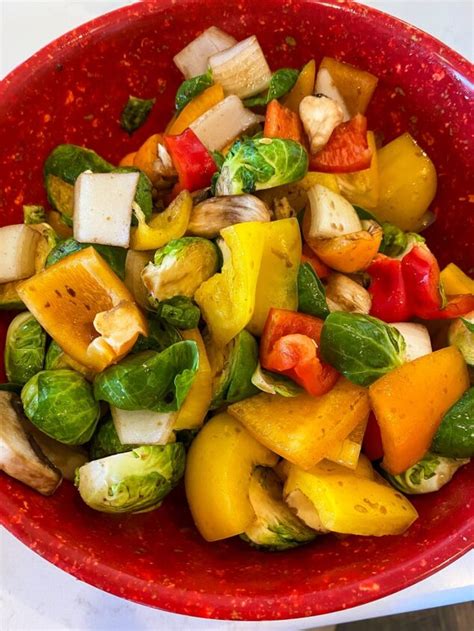
Common Pitfalls to Avoid
- Low Oven Temperature: Results in steaming, not roasting.
- Wet Vegetables: Moisture is the enemy of crisp.
- Overcrowding the Pan: Leads to steaming and uneven cooking.
- Too Much Oil: Can make them greasy rather than crisp.
- Not Preheating the Pan: Prevents that initial sear.

Master the Art
Achieving perfectly crisp roasted root vegetables is less of a secret and more of an art refined through attention to detail. By ensuring your vegetables are dry, cut uniformly, lightly oiled, given plenty of space, and roasted at high heat, you’ll unlock their full potential. Say goodbye to soggy side dishes and hello to glorious, golden crispness every time.