




What’s the secret to perfectly tender, flaky biscuits from scratch?

Achieving biscuits that are both tender and beautifully flaky might seem like a daunting task, a skill reserved for seasoned Southern grandmothers. However, with a few crucial techniques and a deep understanding of the ingredients, anyone can master the art of homemade biscuits. The secret lies not in a single magical ingredient, but in a combination of precise steps that respect the delicate nature of butter and flour.
The Foundation: Cold Ingredients are Key
The most fundamental rule for flaky biscuits is using very cold ingredients, especially butter. Cold butter, cut into small pieces or grated, creates pockets of steam in the hot oven. As these pockets expand, they separate the layers of dough, resulting in that coveted flakiness. If the butter is too warm, it will melt into the flour before baking, yielding a dense, cake-like texture instead of layers. Similarly, cold buttermilk helps keep the butter solid and reacts with leavening agents more effectively.

Flour Power and Proper Leavening
The type of flour you use can significantly impact the final texture. Lower protein flours, often labeled as “soft wheat” or specifically “biscuit flour,” are ideal because they develop less gluten, contributing to tenderness. All-purpose flour can work, but avoid high-protein bread flours. For leavening, a combination of baking powder and baking soda is often used. Baking soda needs an acid (like buttermilk) to activate, while baking powder provides lift on its own. Ensure your leavening agents are fresh for maximum rise.
The Art of Minimal Handling
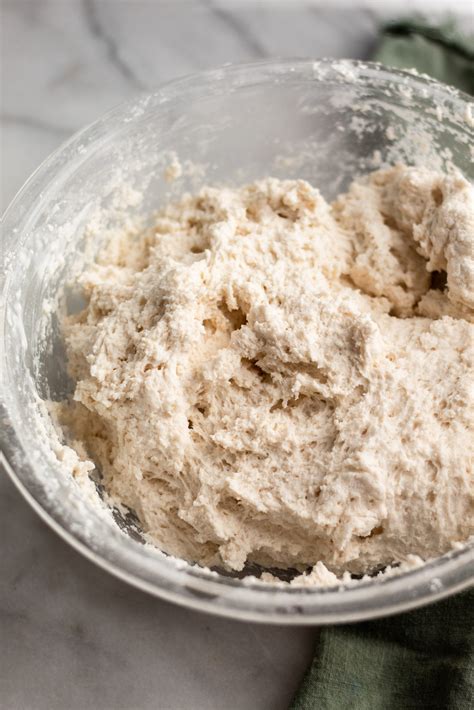
One of the biggest mistakes bakers make is overworking the dough. Once the cold butter is incorporated into the flour mixture, you want to add the liquid (cold buttermilk) and mix just until everything comes together. Excessive kneading or mixing develops gluten, which leads to tough, chewy biscuits rather than light and tender ones. Gently fold and press the dough a few times, but resist the urge to knead it like bread dough. This light touch is crucial for tenderness.
Lamination for Layers: The Fold Technique
To maximize flakiness, many expert bakers employ a simple lamination technique. After mixing, gently pat the dough into a rectangle, then fold it into thirds (like a letter). Rotate the dough, pat it out again, and repeat the fold once or twice. This creates multiple layers within the dough without excessive kneading, trapping more butter pockets that will steam and expand during baking, leading to those gorgeous, separated layers.
The Cut and The Heat
When cutting your biscuits, use a sharp biscuit cutter and press straight down – do not twist! Twisting seals the edges of the biscuit, preventing it from rising properly and creating fewer distinct layers. For the best rise and flakiness, biscuits need a hot oven, typically between 425°F and 450°F (220°C-230°C). The initial blast of high heat quickly sets the dough, activates the leavening, and rapidly melts the butter, creating those steam pockets before the butter has a chance to fully soak into the flour.
Conclusion
Mastering tender, flaky biscuits from scratch is a rewarding journey. By understanding the critical roles of cold ingredients, minimal handling, strategic folding, and high heat, you can transform simple pantry staples into a batch of warm, buttery perfection. Don’t be discouraged by initial attempts; practice makes perfect, and every batch brings you closer to biscuit bliss. Enjoy the process, and savor the delicious results!