What’s the simplest DIY cold frame for early garden starts?

Unlock Your Garden’s Potential with a DIY Cold Frame
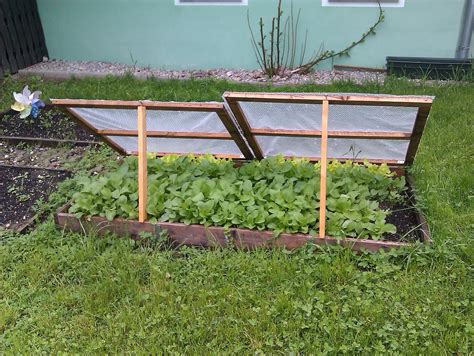
As the last vestiges of winter cling on, many gardeners eagerly eye their seed packets, itching to get a head start on the growing season. A cold frame is a simple, unheated, protective structure that allows you to do just that. It’s essentially a mini-greenhouse that shields delicate seedlings from frost, provides warmth, and extends your planting window by several weeks, even months.
While some cold frames can be elaborate constructions, the beauty of a DIY version lies in its simplicity and affordability. For gardeners new to season extension or those with limited time and resources, finding the absolute simplest method is key to success. You don’t need advanced carpentry skills or expensive materials to create a functional cold frame that will make a significant difference in your garden’s output.

The “Repurposed Window & Basic Box” Method: Truly Simple
When it comes comes to effortless construction, the simplest DIY cold frame often involves repurposing an old window pane or clear plastic sheet as the lid, combined with a basic, bottomless box for the sides. This method minimizes cutting, specialized tools, and construction time, making it perfect for beginners. The core idea is to create a sun-trapping box that keeps your plants warm, using readily available materials.
This design is highly adaptable; whether you have an old sash window, a piece of clear polycarbonate, or even heavy-duty clear plastic sheeting, it can serve as your transparent top. For the sides, you’re looking for anything that can form a sturdy, insulated barrier – think scrap lumber, old fence pickets, pallet wood, or even concrete blocks or straw bales for an even more temporary setup. We’ll focus on a simple wooden box for durability and ease of handling.
Gathering Your Minimal Materials
The beauty of this simple cold frame lies in its short material list, much of which you might already have lying around:
- Lid: One old window pane (single or double pane), a sheet of clear polycarbonate, or a sturdy piece of clear plastic sheeting (e.g., 6-mil poly). The size of your lid will determine the dimensions of your cold frame.
- Sides: Scrap lumber (e.g., 2x4s, 1x6s, old fence boards, or pallet wood). You’ll need enough to create a four-sided, bottomless box.
- Fasteners: Wood screws or nails, suitable for joining your lumber.
- Optional but Recommended: Two small hinges to attach the lid for easy opening and closing.
- Tools: Measuring tape, a saw (hand saw or circular saw), a drill/screwdriver.

Step-by-Step Construction: Quick & Easy
-
Measure Your Lid:
Determine the exact dimensions of your window pane or plastic sheet. This will be the top of your cold frame.
-
Cut Your Wood:
Cut four pieces of lumber to form the sides of your box. Make the back piece slightly taller than the front piece to create a gentle slope. This slope allows rainwater to run off and maximizes sun exposure for your plants. For example, if your window is 36 inches wide by 24 inches deep, you might cut two 36-inch pieces for the front/back and two 22.5-inch pieces for the sides (to accommodate the thickness of the front/back boards). The back piece could be 12 inches high, and the front 8 inches high.
-
Assemble the Box:
Using your screws or nails, fasten the four pieces of wood together to form a sturdy, bottomless rectangular (or square) box. Ensure the taller piece is at the back.
-
Attach the Lid (Optional Hinges):
Place your window pane or plastic sheet on top of the assembled box. If using hinges, screw them into the top edge of the back piece of your box and the frame of your window. This allows you to easily prop open the lid for ventilation. If not using hinges, the lid will simply rest on top, and you can remove it or prop it open with a stick.

Placement, Planting, and Proper Care
Once built, the placement of your cold frame is crucial. Choose a sunny, south-facing spot in your garden that is sheltered from strong winds. Dig the frame slightly into the soil to prevent drafts and help with insulation. For best results, fill the bottom of the cold frame with a few inches of good quality potting soil or compost.
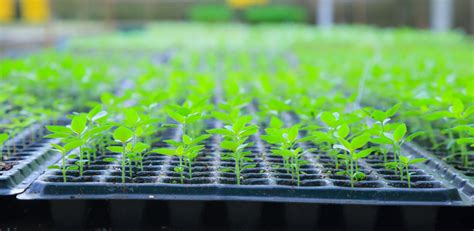
You can use your cold frame for several purposes: sowing seeds directly into the soil weeks before last frost, hardening off seedlings started indoors, or protecting overwintering plants. Remember to water your plants as needed, but be mindful that the enclosed environment retains moisture effectively.
Ventilation is key to preventing overheating and fungal diseases. On sunny days, especially as temperatures rise, prop open the lid to allow excess heat to escape. Close it again in the late afternoon to trap warmth for the night. This process of opening and closing mimics the gradual hardening-off process that prepares indoor-grown plants for the outdoor environment.
Reap the Rewards of Early Starts
With minimal time and investment, this simple DIY cold frame will transform your gardening season. You’ll be able to enjoy earlier harvests of your favorite vegetables and flowers, grow stronger, more resilient plants, and significantly extend your growing season into late fall. It’s a fantastic way to experiment with gardening techniques and make the most out of your garden space, regardless of your climate.
Don’t let the last frosts hold back your green thumb. Building this straightforward cold frame is an empowering first step towards becoming a more productive and prepared gardener. Enjoy the satisfaction of nurturing your plants from tiny seeds into thriving produce, all thanks to your clever DIY solution!