What’s the simplest way to start a backyard compost pile for kitchen waste?

Starting a backyard compost pile might sound intimidating, but it’s one of the simplest and most rewarding ways to manage kitchen waste and enrich your garden soil. Forget complex systems or expensive bins; the core of composting is a natural process that you can kickstart with just a few basic principles and a dedicated spot in your yard.
Why Compost Your Kitchen Scraps?
Composting kitchen waste offers a wealth of benefits. Firstly, it significantly reduces the amount of trash sent to landfills, lessening your environmental footprint. Secondly, the end product – nutrient-rich compost – is a fantastic natural fertilizer for your garden, improving soil structure, water retention, and plant health without the need for chemical additives. It’s a win-win for your home and the planet.

Finding the Perfect Spot for Your Pile
The first step to a simple compost pile is choosing the right location. Look for a spot that is:
- Shady: This helps retain moisture, preventing your pile from drying out too quickly.
- Well-drained: You don’t want water pooling around your compost.
- Accessible: Easy to get to from your kitchen for adding scraps, and from your garden for using finished compost.
- Away from your house: While a well-maintained pile shouldn’t smell, it’s good practice to keep it a reasonable distance from living areas.
- Directly on soil: This allows beneficial microbes and worms from the earth to colonize your pile and begin the decomposition process.
What to Add (and What to Avoid)
The beauty of a simple compost pile is that it doesn’t require precise measurements, but understanding the basics of ‘greens’ and ‘browns’ is helpful:
- Greens (Nitrogen-rich): These provide the nitrogen needed for microbial activity. Think fresh kitchen scraps like fruit and vegetable peels, coffee grounds, tea bags, and fresh grass clippings.
- Browns (Carbon-rich): These provide carbon and bulk. Good examples include dry leaves, shredded newspaper, cardboard (unwaxed and uncolored), wood chips, and straw.
What to Avoid: For a simple, odor-free pile, steer clear of meat, bones, dairy products, oily foods, pet waste, diseased plants, and chemically treated wood. These can attract pests, create unpleasant odors, or introduce pathogens.

Building Your Simple Compost Pile
You don’t need a fancy bin to start. A simple pile on the ground is perfectly fine. If you want a bit more containment, a simple wire mesh cylinder or a few pallets stood on end can suffice. Here’s how to build it:
- Start with a base of browns: Lay down a 6-12 inch layer of coarse brown materials like twigs, straw, or dry leaves. This ensures good airflow and drainage at the bottom.
- Alternate layers: On top of your brown base, start adding layers of greens (kitchen scraps) and browns. A good rule of thumb is roughly equal parts browns to greens by volume, or slightly more browns.
- Chop it up: The smaller your materials, the faster they will break down. Roughly chop larger fruit and vegetable scraps.
- Keep it moist: The pile should be consistently damp, like a wrung-out sponge, but not waterlogged. Rain will help, but in dry spells, give it a good soak with a hose.

Maintaining Your Pile for Success
Once your pile is built, minimal maintenance is required for a simple system:
- Continue adding layers: Keep adding your kitchen scraps and yard waste in alternating layers.
- Turn occasionally (optional but recommended): While not strictly necessary for a simple pile, turning it every few weeks with a pitchfork or shovel will aerate the pile, speed up decomposition, and help distribute moisture. If you notice an odor, turning it is usually the first fix.
- Monitor moisture: If it’s too dry, decomposition slows. If it’s too wet, it can become anaerobic and smelly. Adjust as needed.
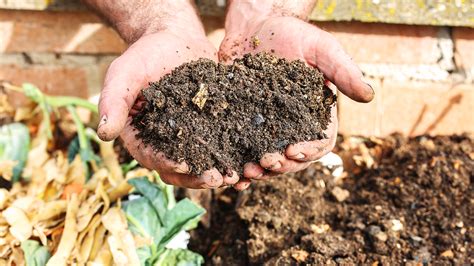
With a little patience, your kitchen waste will transform into dark, crumbly, earthy-smelling compost, ready to enrich your garden. Starting a simple backyard compost pile is an accessible and impactful step towards a more sustainable home and a healthier garden.