



What’s the trick to flavorful, moist cast iron skillet cornbread?
Unlock the Secret to Perfect Cast Iron Cornbread
Cast iron cornbread holds a special place in the hearts of many, evoking images of hearty meals and comforting warmth. Yet, many home bakers struggle to achieve that coveted balance: a beautifully golden, crispy crust and an interior that’s moist, tender, and deeply flavorful, not dry and crumbly. The good news is, the ‘trick’ isn’t really a trick at all, but rather a combination of foundational techniques and smart ingredient choices.

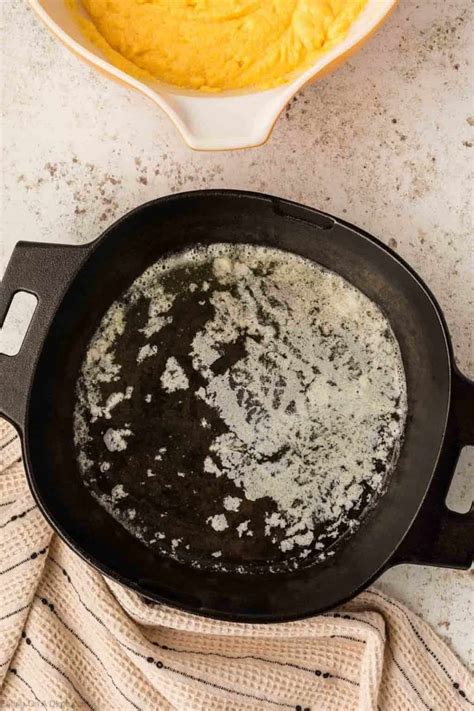
The Cornerstone: Preheat Your Skillet with Fat
This is arguably the most crucial step for that signature crispy crust. Place your cast iron skillet in the oven while it preheats to 400-425°F (200-220°C). Once hot, add a generous amount of fat – bacon grease, lard, or a high-smoke point oil like vegetable or canola oil work best. Let the fat get screaming hot in the skillet for a few minutes more before pouring in the batter. The instant sizzle when the batter meets the hot fat creates an unbeatable, golden-brown crust that truly elevates the experience.
Buttermilk and Baking Soda: The Moisture and Rise Duo
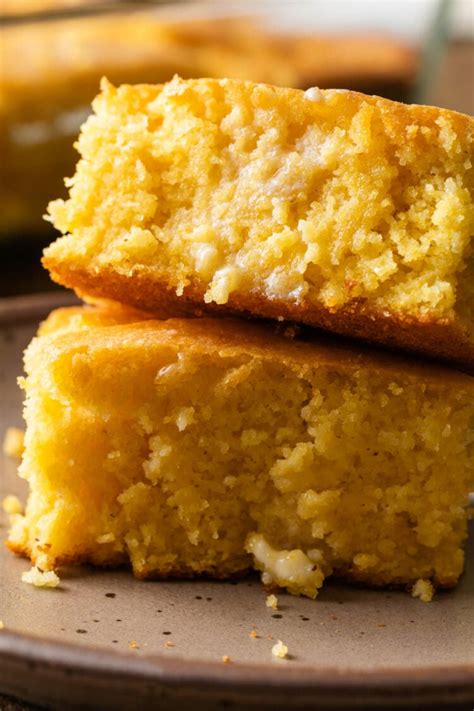
For moistness and a tender crumb, buttermilk is your best friend. Its acidity reacts with baking soda, creating carbon dioxide bubbles that give cornbread its lift and lightness. This chemical reaction is key to preventing a dense, brick-like texture. If you don’t have buttermilk, you can make a substitute by adding a tablespoon of white vinegar or lemon juice to regular milk and letting it sit for 5-10 minutes until it slightly curdles.
Choose Your Cornmeal Wisely and Don’t Overmix
The type of cornmeal significantly impacts texture. Fine-ground cornmeal yields a cake-like texture, while medium-ground provides a more traditional, slightly coarser crumb. Many recipes also call for a small amount of all-purpose flour to help bind the cornbread and prevent it from being too crumbly. The golden rule for any quick bread, including cornbread, is not to overmix the batter. Mix just until the wet and dry ingredients are combined; a few lumps are perfectly fine. Overmixing develops gluten, leading to tough cornbread.
A Touch of Sweetness for Flavor and Browning
While traditional Southern cornbread is often unsweetened, a touch of sugar (or honey, or maple syrup) not only enhances the flavor but also contributes to moisture retention and a beautiful golden-brown crust. The amount is entirely up to personal preference, ranging from a tablespoon for a subtle hint to half a cup for a sweeter, more dessert-like cornbread. This caramelization adds another layer of depth to the overall flavor profile.
The Unsung Hero: Don’t Overbake!
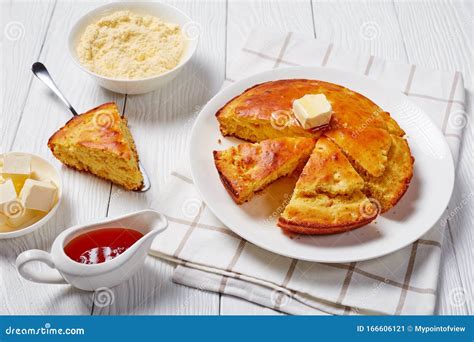
Overbaking is a common culprit for dry, crumbly cornbread. Keep a close eye on your cornbread as it bakes. It’s done when the edges are golden brown and a wooden skewer or toothpick inserted into the center comes out clean. Typically, this takes about 20-25 minutes, depending on your oven and skillet size. Remove it from the oven promptly to preserve its internal moisture.
Bringing It All Together
Mastering flavorful, moist cast iron cornbread is a delightful journey. By meticulously preheating your skillet with hot fat, leveraging the power of buttermilk, choosing the right cornmeal, mixing minimally, adding a touch of sweetness, and most importantly, not overbaking, you’ll consistently achieve a cornbread that is truly restaurant-quality. Serve it warm with butter, honey, or a dollop of chili, and savor the perfectly balanced textures and rich, wholesome flavor.