


What’s the trick to perfectly fluffy, golden homemade biscuits every time?

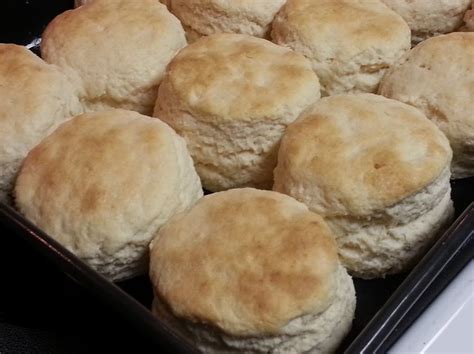
There’s nothing quite like a warm, flaky, golden biscuit, fresh from the oven, ready to be slathered with butter and jam, or to accompany a hearty meal. Yet, many home bakers find themselves frustrated by dense, dry, or pale attempts. The good news? Achieving that coveted perfect texture and color isn’t a dark art; it’s a science of understanding a few key principles and techniques.
The Foundation: Cold Ingredients and Fat Choice
The secret to flakiness begins with cold ingredients, particularly your fat. Whether you opt for unsalted butter, shortening, or a combination, it must be thoroughly chilled and cut into small pieces or grated. When cold fat melts in the hot oven, it releases steam, creating pockets of air that result in those delightful layers. Work quickly to keep the fat cold, returning it to the fridge if your kitchen is warm.
Mastering the Mix: Handling Dough with Care
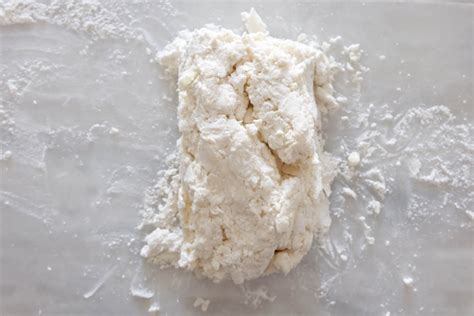
Overworking biscuit dough is the cardinal sin that leads to tough biscuits. Mix just until the ingredients are combined and no dry streaks of flour remain. For extra lift and flakiness, try a gentle “fold and press” technique: turn the shaggy dough out onto a lightly floured surface, gently pat it into a rectangle, fold it into thirds (like a letter), and gently pat it down again. Repeat this process 2-3 times. This develops layers without overworking the gluten.
The Right Liquid and Leavening for Lift
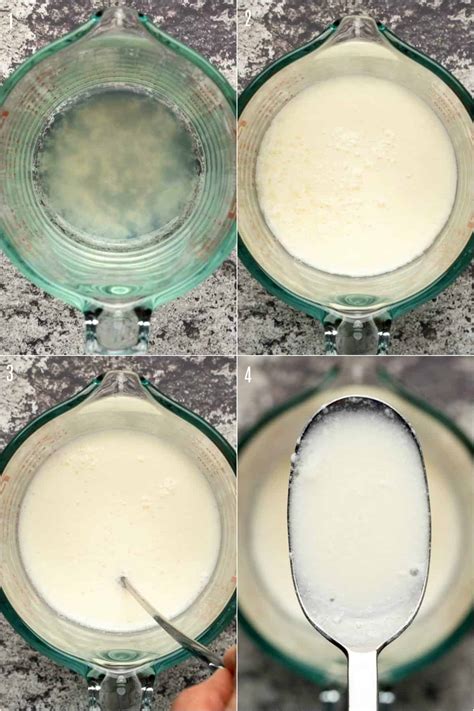
Buttermilk is often preferred for biscuits not just for its tangy flavor, but also for its acidity, which reacts with baking soda to produce carbon dioxide, aiding in the rise. Ensure your buttermilk is also cold. If you don’t have buttermilk, you can make a substitute by adding a tablespoon of lemon juice or white vinegar to regular milk and letting it sit for 5-10 minutes. A balanced combination of baking powder and baking soda is crucial for maximum lift and a tender crumb.
Cutting and Baking for Golden Perfection
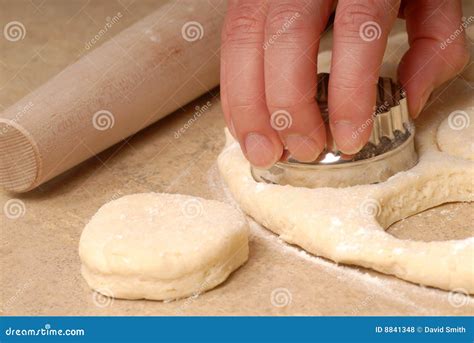
When cutting your biscuits, use a sharp cutter and press straight down without twisting. Twisting seals the edges, inhibiting rise. For taller biscuits, place them relatively close together on the baking sheet; this helps them rise higher by supporting each other. Preheat your oven to a high temperature (often 425-450°F or 220-230°C) to create a sudden burst of heat that activates the leavening and quickly sets the crust. Bake on a middle rack for even browning.
The Golden Finish: Brushing and Serving
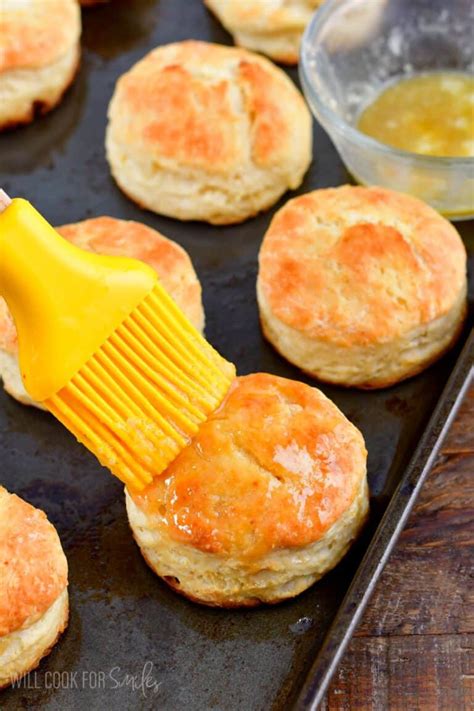
For that irresistible golden-brown crust, brush the tops of your biscuits with a little melted butter, milk, or an egg wash (egg beaten with a splash of water or milk) before baking. This not only promotes browning but also adds a lovely sheen and subtle richness. Serve your perfectly fluffy, golden biscuits warm, straight from the oven, to truly savor their delicate texture and flavor.
Conclusion
Achieving perfectly fluffy, golden homemade biscuits every time boils down to a few critical steps: using cold ingredients, handling the dough minimally, selecting the right leavening and liquid, and employing proper cutting and baking techniques. Master these elements, and you’ll be consistently turning out biscuits that are a pure delight, a testament to the simple magic of home baking.