



What’s the trick to tender, flavorful stew meat from tough cuts?
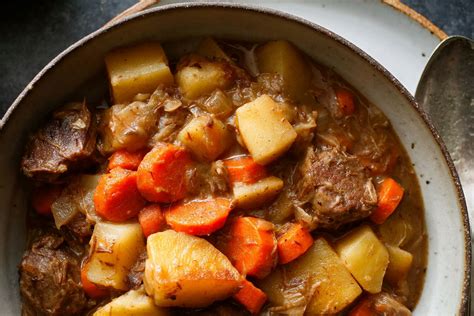
Unlocking the Magic of Melt-in-Your-Mouth Stew
Tough cuts of meat, often more economical, hold incredible potential for flavor and tenderness when given the right treatment. Instead of shying away from cuts like chuck roast, brisket, or even oxtail, embrace them. The secret lies not in a single trick, but in a combination of techniques that break down tough connective tissues while building complex, irresistible flavors.
The Foundation: Preparing Your Meat for Success
Before you even think about braising, proper preparation is key. Start by cutting your meat into uniform, manageable pieces, typically 1.5 to 2 inches. This ensures even cooking. The next crucial step is browning.
Searing for Depth of Flavor
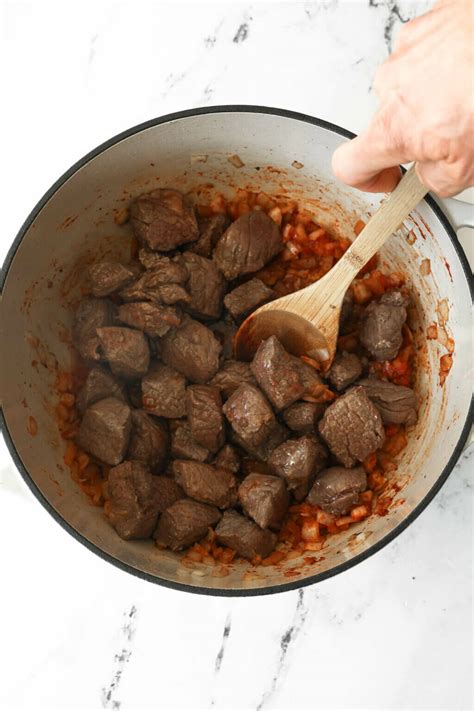
Do not skip browning your meat. This creates the Maillard reaction, developing hundreds of new flavor compounds that will become the backbone of your stew. Work in batches to avoid overcrowding the pot, which lowers the temperature and steams the meat instead of searing it. A deep, rich brown crust on each piece is what you’re aiming for.
The Tenderness Trifecta: Time, Moisture, and Acidity
Once browned, the focus shifts to breaking down the collagen and connective tissue that make tough cuts, well, tough. This is where the magic of slow cooking, ample moisture, and strategic acidity comes into play.
Slow and Low: The Braising Advantage
Braising is the ultimate technique for tough cuts. It involves cooking meat slowly in a moderate amount of liquid over a prolonged period. The low, consistent heat gradually dissolves collagen into gelatin, giving the meat a succulent, tender texture and enriching the sauce. This process can take anywhere from 2 to 4 hours, depending on the cut and size of the meat.
The Power of Marinades and Acid
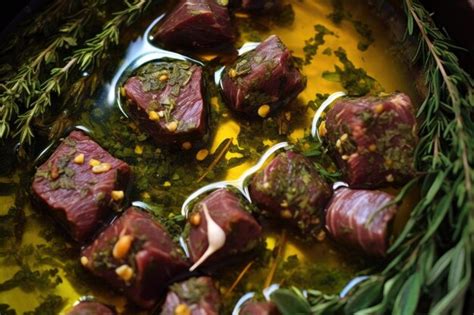
Incorporating acidic ingredients can significantly aid in tenderizing and enhancing flavor. Marinades containing wine, vinegar, buttermilk, or citrus juices can begin to break down muscle fibers even before cooking. During the braising process, ingredients like diced tomatoes, wine, beer, or even a splash of apple cider vinegar in your cooking liquid contribute acid that helps tenderize the meat and brightens the overall flavor profile of the stew.
Layering Flavor: Beyond Salt and Pepper
A truly great stew isn’t just tender; it’s bursting with flavor. Achieving this requires building layers of taste throughout the cooking process.
Aromatics and Mirepoix
After browning your meat, sauté your aromatics – typically onions, carrots, and celery (a mirepoix). Cook them until softened and lightly caramelized. This step adds a sweet, earthy depth. Garlic, herbs like thyme and rosemary, and bay leaves can be added shortly after.
Umami Boosters and Deglazing
Don’t forget umami-rich ingredients. Tomato paste, cooked down until it darkens slightly, adds a concentrated sweetness and depth. Deglazing the pot with wine or broth after browning and sautéing the aromatics scrapes up all those flavorful browned bits (fond) from the bottom, incorporating them into your sauce. Worcestershire sauce, soy sauce, or even a dash of fish sauce can also provide a hidden umami kick without dominating the flavor.
The Finishing Line: Patience and Rest
Once your stew has cooked for several hours and the meat yields easily with a fork, it’s almost ready. A final taste test and adjustment of seasonings are crucial. If the sauce is too thin, you can thicken it with a slurry of cornstarch or flour, or simply reduce it further. Just like a good steak, stew meat benefits from a short rest off the heat, allowing the juices to redistribute and the flavors to meld further.
Common Pitfalls to Avoid
- Cooking too quickly: High heat will toughen the meat further. Stick to a low simmer.
- Not enough liquid: Ensure the meat is mostly submerged to facilitate even braising.
- Overcrowding the pot: This prevents proper browning and can lead to uneven cooking.
- Impatience: Tough cuts demand time. Don’t rush the process.
Embrace the Journey to Tender, Flavorful Stew
Making tender, flavorful stew from tough cuts isn’t a single trick, but a harmonious blend of foundational techniques. By prioritizing proper browning, embracing the slow and low magic of braising with ample moisture and acidity, and consciously layering flavors, you’ll consistently create comforting, rich stews that are a testament to culinary patience and skill. Enjoy the journey, and the incredibly delicious results!