What’s the trick to thick, real fruit jam that sets?

There’s nothing quite like the taste of homemade jam – bursting with fresh fruit flavor, a vibrant color, and that satisfyingly thick, spreadable consistency. However, many home cooks find themselves frustrated by runny jam that just won’t set. The good news is, making a perfectly thick, real fruit jam isn’t a dark art; it’s a science you can master with a few key tricks.
The Essential Trio: Pectin, Acid, and Sugar
The secret to a well-set jam lies in the delicate balance of three ingredients: pectin, acid, and sugar. Think of them as the foundation of your jam’s structure.
Pectin: The Gelling Agent
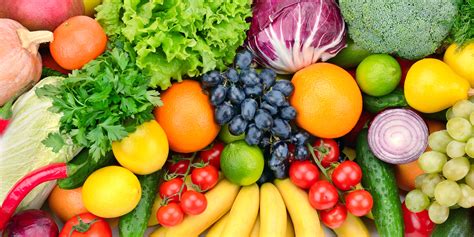
Pectin is a natural carbohydrate found in the cell walls of fruits, and it’s what gives jam its gelled structure. Some fruits are naturally high in pectin (like apples, citrus, cranberries, and some berries), while others are low (like peaches, strawberries, and cherries). For low-pectin fruits, or if you prefer a firmer set, you may need to add commercial pectin. When cooking, pectin needs heat to break down and release, and then it combines with acid and sugar to form a gel.
Acid: The Pectin Activator
Acid plays a critical role in activating pectin. Without sufficient acid, even high-pectin fruits won’t set properly. Lemon juice is the most common and effective addition, enhancing flavor while providing the necessary acidity. A good rule of thumb is to add a tablespoon or two of fresh lemon juice per pound of fruit, especially for low-acid fruits.
Sugar: Not Just for Sweetness
Sugar does more than just sweeten jam; it’s crucial for preservation and, crucially, for the setting process. Sugar helps draw out moisture from the fruit, and when combined with pectin and acid, it forms the stable gel network. It also helps to prevent spoilage. While you can reduce sugar slightly, going too low can affect the set and shelf life.
Mastering the Cook: Achieving the Setting Point
Once you have your ingredients balanced, the cooking process is paramount. Proper cooking extracts pectin, concentrates the sugar, and evaporates excess water, bringing your jam to the critical setting point.
High Heat, Quick Cook
Bring your fruit mixture to a rolling boil over high heat, stirring frequently to prevent scorching. A rapid boil helps to quickly evaporate water and activate the pectin. Avoid simmering for too long, as this can break down pectin and result in a weaker set. The goal is a quick, intense boil.
Reaching the Target Temperature
Many jam makers rely on temperature. Jam typically sets when it reaches 104-105°C (219-221°F) at sea level. A candy thermometer is an invaluable tool for accuracy. Once it reaches this temperature, it’s usually ready for testing.

The Crucial Setting Test: The Cold Plate Method
Even with a thermometer, the ultimate test for doneness is the cold plate method. It’s simple, reliable, and tells you exactly if your jam will set.
- Prepare Your Plate: Before you start cooking, place a few small ceramic plates or saucers in the freezer.
- Test the Jam: When you suspect the jam is ready (either by temperature or visual cues like thickening), remove the pot from the heat. Spoon a small amount (about a teaspoon) of hot jam onto one of the chilled plates.
- Chill and Check: Return the plate to the freezer for 1-2 minutes to rapidly cool the jam.
- Evaluate the Set: Remove the plate and push the edge of the jam with your fingertip. If the surface wrinkles and the jam holds its shape, it’s ready! If it’s still very liquidy and doesn’t wrinkle, return the pot to the heat and cook for a few more minutes, then re-test with a fresh cold plate.

Common Pitfalls and Troubleshooting
Even with the best intentions, jam can sometimes be stubborn. Here are a few common issues and how to address them:
- Runny Jam: Likely due to insufficient pectin, acid, sugar, or undercooking. If your jam doesn’t set after cooling completely, you can re-cook it. Bring it back to a boil, adding a little extra pectin (if you didn’t add enough initially) and/or lemon juice, and cook until it passes the cold plate test.
- Too Stiff/Rubbery Jam: This usually means too much pectin or overcooking. While you can’t really reverse this once it’s set, you can try to gently warm it and stir in a little water or fruit juice to loosen it, though it might affect preservation.
- Scorched Jam: This happens when jam sticks to the bottom and burns. Stir frequently, especially as it thickens, and use a heavy-bottomed pot to distribute heat evenly.
Making delicious, thick, real fruit jam that sets perfectly is a truly rewarding kitchen endeavor. By understanding the roles of pectin, acid, and sugar, and by applying precise cooking and testing methods, you’ll soon be enjoying luscious homemade preserves that will impress everyone at the breakfast table. Happy jamming!