


What’s your best tip for cooking seasonally with fresh garden vegetables?
Embrace Simplicity: Let the Vegetables Be the Stars
There’s a unique joy that comes from harvesting fresh vegetables from your garden. The vibrant colors, the earthy aroma, and the undeniable freshness are unparalleled. But with an abundant, ever-changing harvest, the question often arises: how do you best cook with what’s available right now? My ultimate tip for cooking seasonally with fresh garden vegetables is to embrace simplicity and flexibility, truly allowing the natural flavors of the produce to be the undisputed stars of your dish.

Instead of searching for complex recipes that might overshadow their delicate essence, focus on cooking methods that enhance their inherent qualities. Roasting, grilling, sautéing, and steaming are your best friends. These techniques require minimal added ingredients, usually just a good quality olive oil, a pinch of salt, and freshly ground black pepper. A simple roast of cherry tomatoes, zucchini, and bell peppers with a sprig of rosemary, for example, transforms humble garden produce into a dish bursting with concentrated sweetness and depth.
The beauty of seasonal cooking lies in its dynamic nature. One week you might have an abundance of leafy greens, the next it’s all about summer squash. Being flexible with your recipes means understanding how different vegetables behave and how to substitute them. Don’t be afraid to experiment. If a recipe calls for spinach but you have Swiss chard, make the swap! The core principle remains: less is often more when dealing with peak-season freshness.

Taste as You Go: Trust Your Palate
Another crucial aspect of cooking seasonally is to taste as you go and trust your senses. Garden vegetables, even of the same variety, can vary significantly in sweetness, bitterness, and texture depending on the soil, sun exposure, and harvest time. A zucchini picked in the morning might be tender and sweet, while one from late afternoon could be firmer. Adjust your cooking times and seasonings accordingly. A squeeze of lemon can brighten a slightly earthy dish, while a touch of fresh garlic can elevate almost anything.

Consider the natural pairings that often occur in the garden itself. Tomatoes love basil, corn pairs beautifully with cilantro, and cucumbers are perfect with dill. These classic combinations are popular for a reason – they complement each other without competing. Build your simple dishes around these natural harmonies, adding other ingredients sparingly to support rather than dominate the star vegetables.
Making the Most of Abundance: Preserve the Flavor
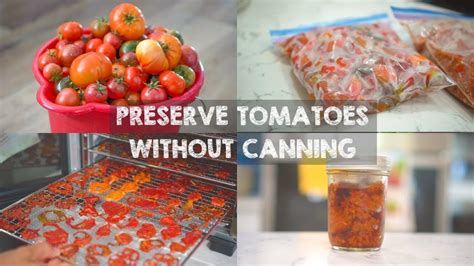
Sometimes, the garden delivers more than you can possibly eat fresh. This is where a little foresight and simple preservation techniques come into play, extending the season’s bounty. Freezing blanched green beans, making pesto with excess basil, pickling cucumbers, or simmering ripe tomatoes into a rich sauce are excellent ways to capture those peak flavors for colder months. These preserved items, though not fresh-from-the-garden, still carry the essence of seasonal cooking and allow you to enjoy your harvest long after the growing season ends.
The Heart of Seasonal Cooking
Ultimately, the best tip for cooking seasonally with fresh garden vegetables boils down to respect for the ingredient. Celebrate its natural goodness by keeping preparations straightforward, being adaptable to what’s available, and trusting your palate. This approach not only yields the most delicious results but also fosters a deeper connection to your food and the rhythm of nature. Enjoy the vibrant journey from garden to plate!