




What’s your practical workflow for documenting daily country living stories?
The Art of Capturing Everyday Rural Life
Country living is a tapestry woven from quiet moments, natural rhythms, and the unique challenges and joys of a life connected to the land. For many, there’s a deep desire to document these experiences, not just for personal memory but to share an authentic glimpse with others. However, the sheer volume of daily life can feel overwhelming, making a consistent documentation practice elusive. This is where a practical workflow becomes invaluable.
Developing a structured approach helps transform fleeting observations into compelling stories. It ensures that the beauty in the mundane isn’t lost and that your efforts to share your rural journey are sustainable and effective. Let’s dive into a workflow designed to simplify the process, moving from initial capture to polished storytelling.
Phase 1: Observation & Rapid Capture (The ‘Collector’s Eye’)
The first step in documenting daily country living is to cultivate an observant eye. This isn’t about setting up elaborate shoots, but rather being present and ready to capture moments as they unfold. Think of yourself as a collector of fleeting details.
- Be Present & Mindful: Make a conscious effort to notice small changes – the way the light hits the barn, a new bloom, an animal’s quirky habit, the sound of rain on the roof.
- Pocket Tools: Your smartphone is your most powerful ally. Use it for quick photos, short video clips, or voice notes to record thoughts or sounds. A small notebook for jotting down sensory details or a memorable quote is also handy.
- Focus on the Micro: Don’t wait for grand events. Often, the most compelling stories are found in the everyday rituals – feeding the chickens, tending the garden, repairing a fence.

Phase 2: Daily Review & Curation (The ‘Story Seeker’)
At the end of each day, or first thing the following morning, dedicate 10-15 minutes to review what you’ve captured. This phase is crucial for transforming raw data into potential narratives.
- Quick Scan: Go through your photos, videos, and notes. What immediately stands out? What surprised you? What evoked an emotion?
- Identify ‘Nuggets’: Look for the small details that could form the core of a story. A particularly beautiful sunset, an interesting interaction between animals, a challenging task overcome, or a moment of quiet reflection.
- Categorize & Tag (Briefly): If you have a system, quickly tag or move items into a ‘Daily Country Life’ folder. Even a simple date-based folder structure helps immensely.
Phase 3: Storyboarding & Narrative Outline (The ‘Architect’)
Once you’ve identified a ‘nugget,’ it’s time to give it structure. You don’t need a full script, just a basic outline to guide your storytelling.
- Choose Your Angle: What’s the main point or emotion you want to convey about this particular moment? Is it about resilience, beauty, humor, or a lesson learned?
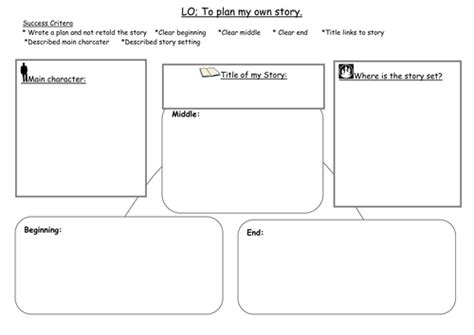
- Rough Arc: Think in terms of a simple beginning, middle, and end. What was the setup? What happened? What was the outcome or reflection?
- Consider the Medium: Is this best told as a photo essay, a short video, a blog post, or a series of social media captions? This influences how you frame your narrative.
Phase 4: Creation & Production (The ‘Craftsperson’)
This is where you bring your story to life, transforming your raw captures and outline into a shareable piece of content.
- Write with Authenticity: Draft your captions, blog posts, or video scripts. Use descriptive language that appeals to the senses. Share your genuine thoughts and feelings, avoiding overly polished or artificial tones.
- Edit with Purpose: Select the best photos and video clips. Trim, color-correct, and enhance as needed, but always maintain authenticity. The goal isn’t perfection, but clarity and genuine representation.
- Add Context: Provide background information where necessary. Explain why a particular task is important, the history of a tool, or the challenges of a specific season.

Phase 5: Publishing & Archiving (The ‘Librarian’)
The final steps involve sharing your story and ensuring it’s preserved for the future.
- Schedule & Publish: Decide on your preferred platform(s) – a personal blog, social media, a video channel. Schedule your posts to maintain consistency.
- Engage: Respond to comments and questions. Your stories often spark conversations and connections with others who appreciate country life.
- Systematic Archiving: This is crucial for long-term sustainability. Create a robust system for backing up all your raw files and finished content. Use cloud storage, external hard drives, or both. Organize by date, topic, or project so you can easily find past content for future reference or compilation.

Sustaining Your Storytelling Journey
Documenting daily country living is a marathon, not a sprint. The key to a practical workflow is consistency over perfection. Don’t let the pursuit of an immaculate narrative prevent you from sharing the real, often messy, beauty of rural life. Over time, this workflow will not only refine your storytelling skills but also create a rich, living archive of your unique journey, inspiring others and deepening your own appreciation for the rhythms of the land.