
When to harvest and best methods to preserve homegrown tomatoes?
The Art of Harvesting Homegrown Tomatoes
There’s nothing quite like the flavor of a perfectly ripe, homegrown tomato. Knowing when to pluck these ruby-red (or yellow, or orange!) gems from the vine is crucial for maximizing their taste and ensuring successful preservation. The timing can vary greatly depending on the tomato variety and local climate, but there are universal signs of readiness.
The most obvious indicator of ripeness is color. For red varieties, wait until they achieve a deep, uniform red hue. Yellow and orange varieties will display their characteristic bright colors. Avoid harvesting green tomatoes unless you intend to ripen them indoors or use them for fried green tomatoes, as their flavor won’t be fully developed.
Beyond color, feel is important. A ripe tomato should be firm but yield slightly to gentle pressure. If it feels rock hard, it’s not ready. If it’s mushy, it’s overripe. The tomato should also detach easily from the vine; a gentle twist or lift should be all it takes. If you have to tug, it needs more time.
For determinate varieties, which produce most of their fruit at once, harvesting can be a concentrated effort. Indeterminate varieties, on the other hand, will continue to produce until the first frost, offering a steady supply. Pick early and often to encourage more fruit production and prevent over-ripening or pest damage.

Why Preserve Your Tomato Bounty?
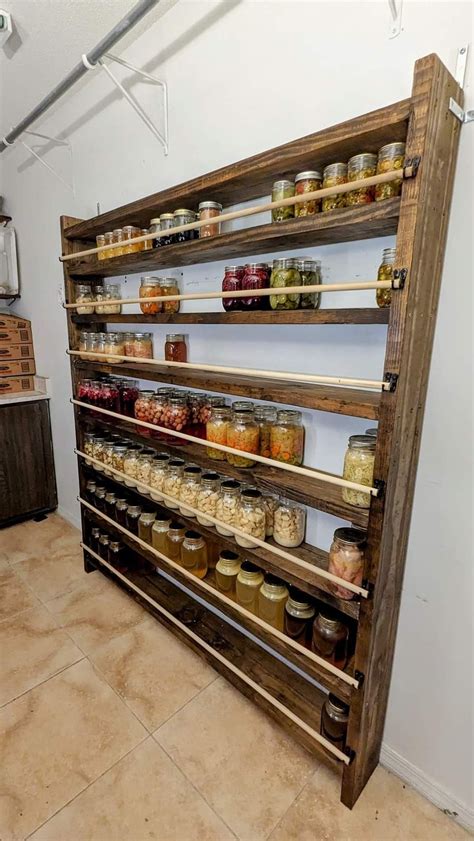
When your garden is overflowing with plump, juicy tomatoes, preserving them ensures that the taste of summer can be savored long after the growing season ends. Preservation methods allow you to lock in flavor, nutrients, and the satisfaction of enjoying your own harvest. Here are some of the best and most popular methods.
Method 1: Canning Tomatoes
Canning is a time-honored tradition for preserving tomatoes, offering a shelf-stable product perfect for sauces, stews, and chilis. Tomatoes are considered a high-acid food, making them suitable for water bath canning, though adding a little lemon juice or citric acid is always recommended for safety, especially with modern varieties.
- Whole or Diced: Peel and core tomatoes. You can pack them whole (especially smaller varieties) or dice them. Add a touch of salt and lemon juice/citric acid to each jar before processing in a water bath canner.
- Crushed Tomatoes: A versatile option, crushed tomatoes are ideal for sauces. Briefly cook peeled and cored tomatoes, then crush them. Pack hot into jars and process.
- Tomato Sauce/Puree: Cook down peeled and cored tomatoes to your desired consistency, often with herbs and spices. Ensure proper acidity and process in a water bath canner.

Method 2: Freezing Tomatoes
Freezing is arguably the simplest method for preserving tomatoes, requiring minimal equipment and effort. While frozen tomatoes may not retain their firm texture for salads, they are perfect for cooking.
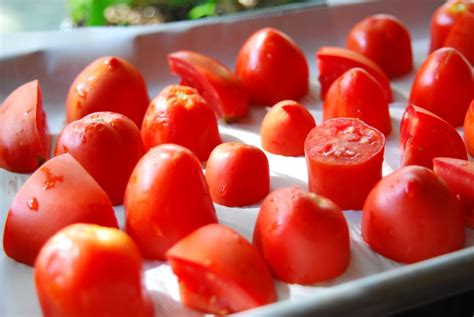
- Whole: Simply wash and dry whole tomatoes. Place them on a baking sheet to freeze solid, then transfer to freezer bags. The skins will slip off easily once thawed.
- Diced/Chopped: Peel and core tomatoes, then dice them. Spread on a baking sheet to freeze, then bag. This prevents them from clumping together.
- Pureed/Sauce: Cook and puree tomatoes into a sauce or paste, then freeze in freezer-safe containers, ice cube trays, or freezer bags.

Method 3: Drying Tomatoes
Drying concentrates the rich, sweet flavor of tomatoes into chewy, intensely savory bites. They are fantastic in salads, pasta dishes, or as a snack.
- Sun-Drying: Slice tomatoes into uniform pieces (halves or thick slices) and place them on screens in direct sunlight, protected from pests. This method requires several days of hot, dry weather.
- Dehydrator: A food dehydrator offers a controlled environment. Slice tomatoes, arrange them on trays, and dry until leathery but still pliable.

Method 4: Other Preservation Techniques
Beyond canning, freezing, and drying, consider making tomato paste, ketchup, or even fermenting tomatoes for unique flavors. Fermented salsa, for instance, adds probiotics and a tangy depth to your favorite dishes.
Tips for Success
Regardless of your chosen method, always start with high-quality, ripe tomatoes. The flavor you put in is the flavor you’ll get out. Ensure all equipment is clean and sterilized where necessary, and always follow reputable preservation guidelines for safety. Enjoying your homegrown tomato harvest throughout the year is a rewarding experience that extends the joy of gardening!