When to harvest garden tomatoes for peak flavor & best canning results?
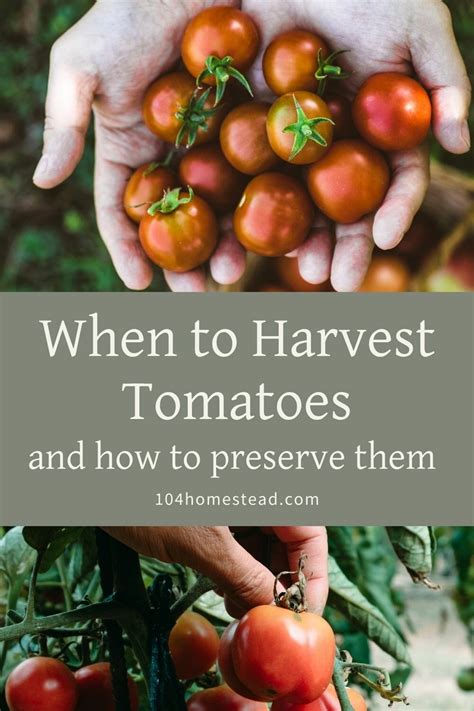
The Art of Timing: Maximizing Tomato Flavor and Canning Quality
There’s nothing quite like the taste of a sun-ripened, homegrown tomato. But achieving that explosion of flavor, whether for a fresh salad or a delicious homemade sauce, hinges on one critical factor: timing your harvest perfectly. Knowing when to pick your tomatoes ensures not only the best taste experience but also optimal quality and safety for canning.
Identifying Peak Ripeness for Unbeatable Flavor
For fresh eating, you’re aiming for the zenith of ripeness, where sugars are high, and acidity is balanced. Here’s what to look for:
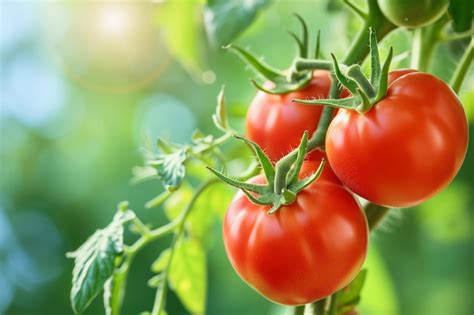
- Color: The most obvious indicator. The tomato should be uniformly colored throughout, typically a deep, rich red, orange, or yellow, depending on the variety. Avoid green shoulders (unless it’s a specific heirloom trait) or pale spots.
- Firmness: Gently squeeze the tomato. It should yield slightly to pressure but not be mushy. A rock-hard tomato is underripe, while a very soft one is overripe.
- Smell: Hold the tomato to your nose, especially near the stem end. A truly ripe tomato will have a distinct, sweet, earthy fragrance.
- Ease of Picking: A perfectly ripe tomato will detach easily from the vine with a gentle twist or pull. If you have to yank it, it’s likely not ready.
Harvesting for Canning: A Slightly Different Approach
While peak flavor is always desirable, canning often benefits from tomatoes that are firm-ripe rather than overly soft. Overripe tomatoes can become mushy during processing and may have lower acidity, which is a concern for food safety in water bath canning.
- Firm-Ripe is Best: Choose tomatoes that are fully colored and firm to the touch. They should be just past the point of being hard but not yet soft enough to easily bruise.
- Uniform Ripeness: Try to harvest a batch of similarly ripe tomatoes for canning. This ensures consistent texture and acidity in your processed goods.
- Acidity Matters: The natural acidity of tomatoes is crucial for safe water bath canning. Picking them at their prime ripeness helps ensure they meet the necessary pH levels. If you’re canning low-acid varieties or are unsure, always add lemon juice or citric acid as recommended by tested canning recipes.

Practical Tips for a Successful Harvest
When and How to Pick
- Morning Glory: Harvest tomatoes in the morning after the dew has dried but before the heat of the day sets in. This is when their sugar content is highest and they are crispest.
- Use Shears or a Knife: Instead of pulling, use clean garden shears or a sharp knife to cut the stem just above the calyx (the leafy green cap). This prevents damage to the plant and the tomato, and often leaves a small piece of stem attached, which can slightly extend shelf life.
- Handle with Care: Tomatoes are delicate. Place them gently into a basket or shallow container to avoid bruising.

Dealing with End-of-Season and Green Tomatoes
As the growing season winds down and cooler temperatures threaten your plants, you’ll likely be left with a bounty of green tomatoes. Don’t let them go to waste!
- Indoor Ripening: Harvest mature green tomatoes (those that have reached their full size but haven’t changed color) before the first hard frost. You can ripen them indoors by placing them in a single layer in a cool, dark spot, or in a paper bag with an apple or banana (which emit ethylene gas, accelerating ripening).
- Culinary Uses: Immature green tomatoes are fantastic for frying, pickling, or making green tomato relish. These are distinct from mature green tomatoes that will eventually ripen red.

Storing Your Fresh Harvest
Once picked, store fully ripe tomatoes at room temperature, stem-side down, away from direct sunlight. Never refrigerate fresh, whole tomatoes unless they are already very ripe and you need to extend their life for a day or two; refrigeration dulls their flavor and ruins their texture. For canning, process your tomatoes as soon as possible after harvesting for the best results.

Conclusion
Harvesting tomatoes at their peak is a rewarding practice that significantly impacts their flavor and suitability for canning. By paying attention to color, firmness, smell, and ease of picking, you’ll ensure that every tomato from your garden delivers an unparalleled culinary experience, whether fresh on a sandwich or preserved for winter’s delight. Happy harvesting!