Which BTS ‘real food’ prep struggles make country living stories more engaging?

Country living narratives often paint idyllic pictures of self-sufficiency, fresh produce, and wholesome meals. However, it’s the ‘behind-the-scenes’ (BTS) struggles of real food preparation – the gritty, unglamorous, and often humorous challenges – that truly hook readers and make these stories engaging. These authentic moments transform simple tales into compelling sagas of resilience, ingenuity, and connection to the land.
The Unpredictable Harvest: Sourcing Food
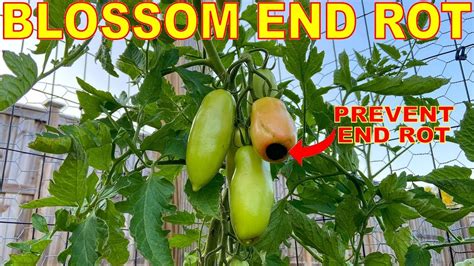
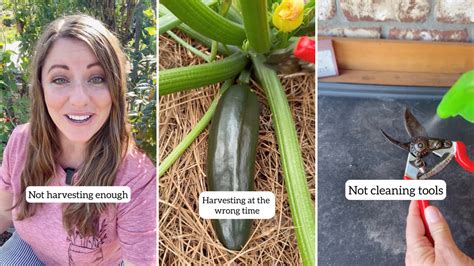
One of the most foundational struggles in country food prep is the unpredictability of sourcing. For those growing their own, a sudden frost, an unexpected pest infestation, or a prolonged drought can decimate an entire season’s hard work. Stories that highlight these battles – the frantic covering of tender plants, the late-night vigil against deer, or the heartbreaking discovery of blight – reveal the deep investment and emotional toll of living off the land.
Beyond gardening, foraging for wild edibles, hunting, or fishing also comes with its own set of trials. Failed hunting trips, elusive fish, or misidentified plants are not just setbacks; they are character-building moments that show resourcefulness and a deep understanding of nature. These moments of anticipation, disappointment, and eventual triumph make the eventual meal feel earned and the narrative far more vivid.
From Raw to Ready: The Processing Gauntlet
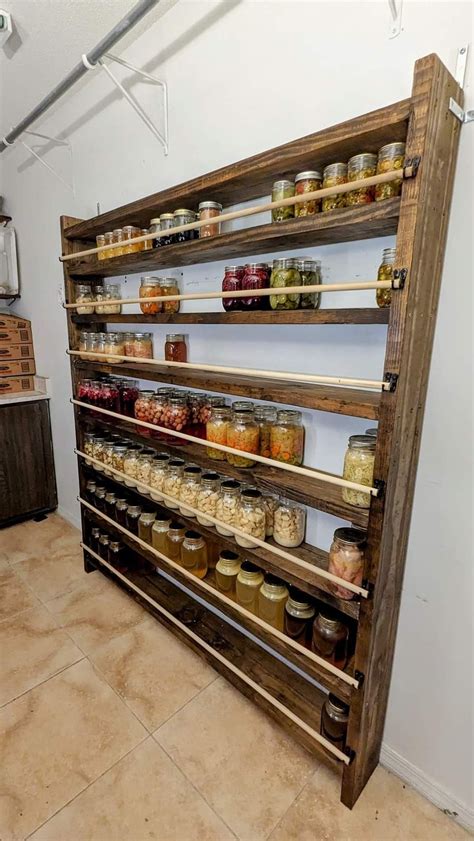
Once food is sourced, the real work often begins with processing. This stage is ripe with opportunities for engaging struggles. Butchering an animal, for example, is not for the faint of heart and comes with steep learning curves, potential mishaps, and a profound respect for the life given. Similarly, preserving the harvest – whether through canning, dehydrating, fermenting, or smoking – is a labor-intensive, time-consuming process that demands precision and patience. Explaining the hours spent blanching tomatoes, the fear of a seal failing on a jar, or the sheer muscle required to mill flour adds a layer of raw authenticity.
Stories about grappling with old-fashioned equipment, dealing with unexpected fermentation issues, or the monumental task of rendering lard turn mundane tasks into mini-adventures. These ‘sweat equity’ moments underscore the value of every morsel and the dedication of the homesteader, making readers appreciate the journey from farm to fork even more.
Rustic Kitchens and Culinary Quandaries
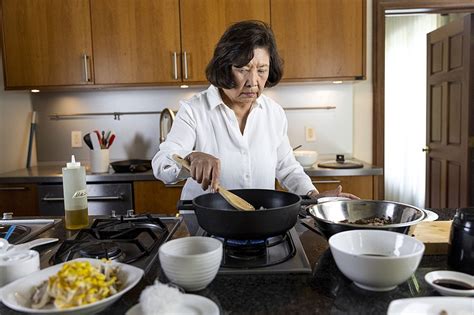
Even after sourcing and processing, the final act of cooking in a country setting can be an engagement goldmine. Limited modern conveniences mean embracing open fires, wood stoves, or even solar ovens, each presenting unique temperature control challenges. Adapting recipes for available ingredients, dealing with power outages, or the sheer physical effort of kneading dough by hand for hours creates relatable, human moments.
Then there are the inevitable culinary quandaries: a bread loaf that refuses to rise, a batch of preserves that doesn’t set, or a dish accidentally over-smoked. These mishaps, failures, and the creative problem-solving required to salvage a meal provide dramatic tension and often a dose of self-deprecating humor. They show that country living isn’t about perfection, but about perseverance and learning from every experience.

Why These Realities Elevate Storytelling
The true power of these BTS food prep struggles lies in their ability to resonate deeply with an audience. They lend authenticity, transforming idealized country visions into grounded, believable realities. Readers connect with the human element of effort, frustration, and eventual triumph. These struggles showcase resilience, ingenuity, and a profound respect for food that is often lost in modern urban convenience.
Furthermore, these candid accounts inject drama, suspense, and often unexpected humor into the narrative. They demonstrate the deep connection between the land, the labor, and the meal, fostering a greater appreciation for the entire food cycle. By sharing the nitty-gritty, country living stories move beyond mere descriptions to become inspiring tales of human spirit, resourcefulness, and a life lived intimately with nature.
In conclusion, it’s not just the delicious finished product that captivates us in country living stories, but the journey to get there. The honest depiction of ‘real food’ prep struggles—from unpredictable harvests to challenging processing and rustic cooking mishaps—imbues narratives with a palpable sense of authenticity, making them richer, more relatable, and ultimately, far more engaging for any reader.