



Why are my heirloom tomato plants wilting, and what’s the natural cure?
There’s nothing quite as rewarding as plucking a ripe, juicy heirloom tomato from your garden. But the joy can quickly turn to dismay when you spot those beloved plants beginning to wilt. Identifying the cause is the first step toward recovery. Let’s delve into the common culprits behind wilting heirloom tomatoes and explore natural, sustainable remedies.
Common Causes of Wilting Heirloom Tomatoes
Watering Woes
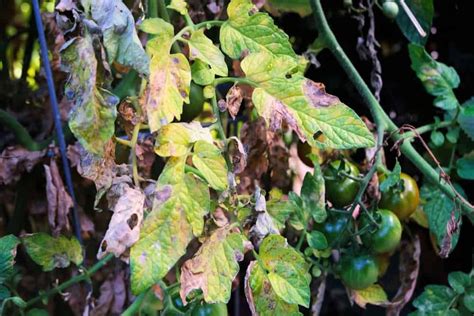
One of the most frequent reasons for wilting is improper watering. Both overwatering and underwatering can lead to similar symptoms. Underwatered plants wilt as their cells lack turgor pressure, while overwatered plants suffer from root rot, which prevents them from absorbing water effectively, leading to wilting.
Pests and Diseases
Several garden adversaries can cause your tomato plants to droop:
- Fungal and Bacterial Wilts: Diseases like Fusarium Wilt and Verticillium Wilt are soil-borne fungi that enter the plant’s vascular system, blocking water flow. Bacterial Wilt is another serious, often fatal, disease.
- Early Blight and Late Blight: While primarily causing leaf spots, severe infections can lead to overall plant stress and wilting.
- Pests: Sap-sucking insects like aphids, spider mites, or whiteflies can weaken plants, leading to wilting. Cutworms can sever young plants at the stem, causing rapid collapse.
Environmental Stressors
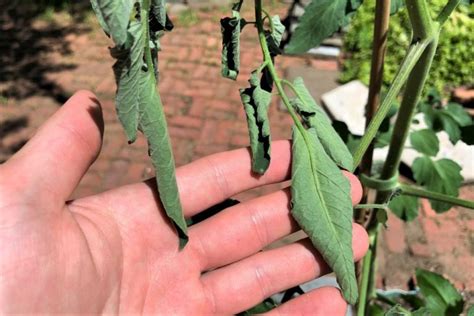
- Heat Stress: Extreme heat can cause plants to wilt temporarily during the hottest part of the day as a self-protection mechanism, reducing water loss through transpiration.
- Nutrient Deficiencies: Lack of essential nutrients, especially calcium or magnesium, can sometimes manifest as wilting or poor plant vigor.
- Transplant Shock: Newly planted tomatoes often wilt briefly as they adjust to their new environment.
Natural Solutions for Healthy Heirloom Tomatoes
Optimize Watering Practices
The key is consistency. Aim for deep, infrequent watering. Check soil moisture by sticking your finger about an inch or two into the soil; if it feels dry, it’s time to water. Water at the base of the plant, avoiding wetting the foliage, which can encourage fungal diseases. A drip irrigation system or soaker hose is ideal for this.
Combat Pests Naturally
- Manual Removal: For larger pests like hornworms, simply pick them off. For smaller pests, a strong spray of water can dislodge them.
- Neem Oil: A natural insecticide that disrupts pest feeding and reproduction cycles. Apply according to package directions.
- Insecticidal Soap: Effective against soft-bodied pests like aphids and spider mites.
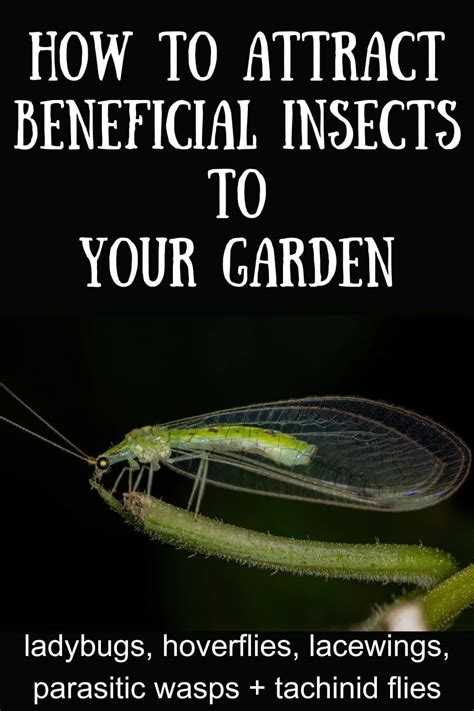
- Beneficial Insects: Encourage ladybugs, lacewings, and predatory mites, which prey on common garden pests. Plant flowers that attract them.
Manage Diseases Organically
For fungal and bacterial wilts, prevention is critical:
- Crop Rotation: Do not plant tomatoes (or related solanaceous plants) in the same spot year after year. Rotate crops to break disease cycles.
- Resistant Varieties: While heirlooms are valued for flavor, some modern hybrids offer disease resistance. If specific diseases are a persistent problem, research resistant heirloom varieties or consider grafting heirlooms onto resistant rootstock.
- Pruning: Remove any diseased leaves or stems immediately and dispose of them away from the garden. Ensure good air circulation by pruning lower leaves.
- Fungicides: For early or late blight, organic copper or sulfur-based fungicides can be used as a preventative or early treatment.

Amend Soil and Provide Nutrients
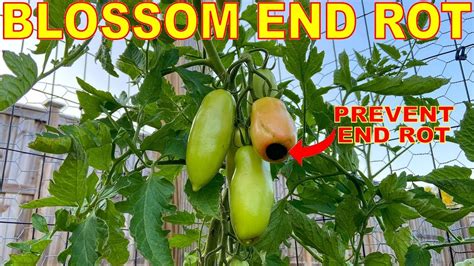
Healthy soil builds resilient plants. Incorporate plenty of organic matter like compost before planting. Conduct a soil test to identify any nutrient deficiencies. For calcium deficiencies (often seen as blossom end rot, but can impact overall health), ensure consistent watering and consider adding bone meal or crushed eggshells to the soil.
Protect from Environmental Extremes
- Shade: During heatwaves, use shade cloth to protect plants from intense afternoon sun, reducing heat stress.
- Mulch: Apply a thick layer of organic mulch around the base of plants to conserve soil moisture, regulate soil temperature, and suppress weeds.
Preventative Measures for Future Success
Vigilance and proactive care are your best tools. Inspect your plants regularly for any signs of stress, pests, or disease. Good sanitation, like cleaning tools and removing plant debris, prevents disease spread. Providing adequate spacing between plants improves air circulation, reducing humidity that encourages fungal growth.
With a little observation and natural intervention, you can nurse your wilting heirloom tomato plants back to health and enjoy a bountiful harvest of these garden treasures for years to come.