

Winter coop tips for healthy, productive backyard hens?
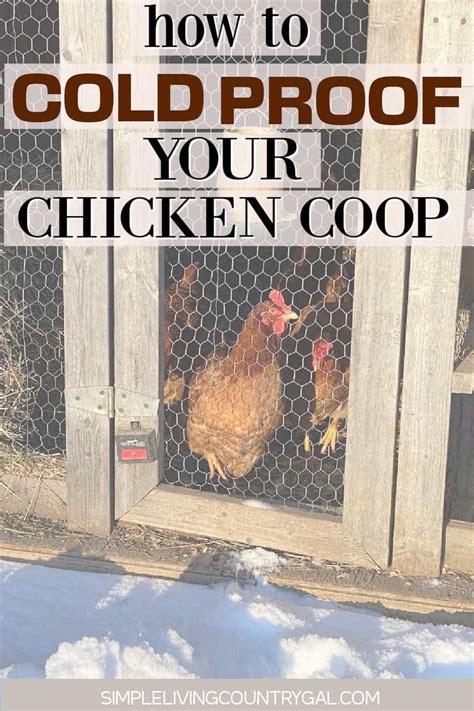
As the days grow shorter and temperatures plummet, ensuring the well-being and productivity of your backyard flock becomes a top priority. Winter presents unique challenges for chicken keepers, from frigid drafts to frozen water. Implementing the right strategies can make all the difference, keeping your hens happy, healthy, and even laying through the colder season.
Protecting Your Flock from the Cold
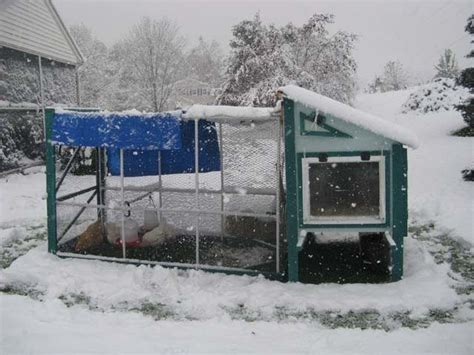
The primary goal during winter is to keep your chickens warm without compromising air quality. This means focusing on insulation and ventilation. Drafts are your enemy; cold air directly blowing on hens can lead to respiratory issues and frostbite. Seal up any large gaps or cracks in the coop walls, especially at ground level, but never completely airtight.
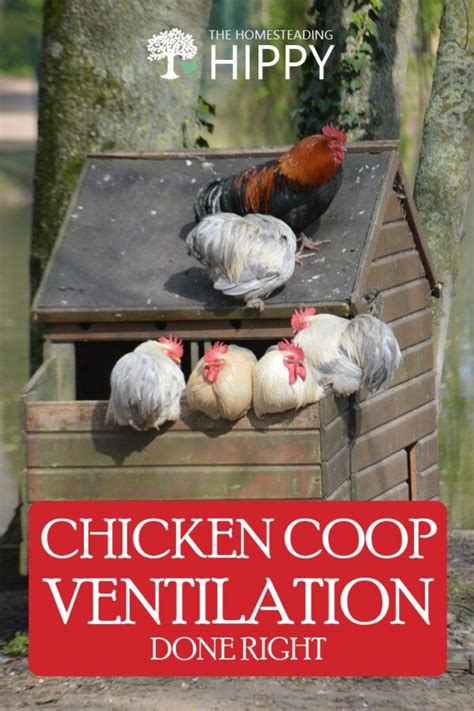
Adequate ventilation is crucial to prevent the buildup of ammonia from droppings and moisture from respiration, which can lead to frostbite and respiratory problems. Ensure there are vents near the roofline that allow stale, moist air to escape while keeping drafts off your birds. A well-ventilated coop will feel much less damp and allow your hens to regulate their own body temperature more effectively.
Water and Feed: Essential Winter Care
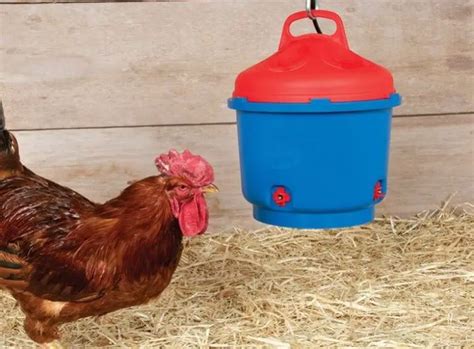
Access to fresh, unfrozen water is non-negotiable. Chickens dehydrate quickly, and lack of water will severely impact their health and egg production. Consider a heated waterer or a heated base for your existing waterer. If electricity isn’t available, you’ll need to manually check and replenish water several times a day, bringing out warm water to thaw any ice.
Your hens will also need more energy to stay warm, so ensure they have constant access to a high-quality layer feed. Supplement their diet with cracked corn or scratch grains in the afternoon. This extra energy source helps them generate body heat as they digest it overnight. Don’t overdo treats, as too many can displace essential nutrients from their complete feed.
Roosting Comfort and Deep Litter Method
Chickens huddle together on roosts at night for warmth, so ensure your coop has sturdy, comfortably wide roosting bars (about 2×4 inches with the wider side up) positioned off the ground. The roosts should be higher than the nesting boxes to discourage roosting in nests, which keeps eggs cleaner.
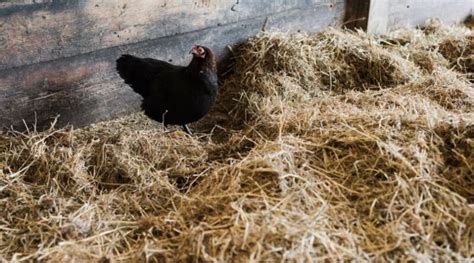
The deep litter method is an excellent winter strategy. By allowing bedding material (like pine shavings or straw) to accumulate and decompose in the coop, it creates a natural composting process that generates a small amount of heat and acts as insulation. Regularly turn the litter and add fresh layers on top, ensuring it remains dry and crumbly, not wet or matted. This method also reduces the frequency of full coop clean-outs during the coldest months.
Guarding Against Winter Predators and Boredom
Winter can make predators even more determined as food sources dwindle. Double-check your coop for any weak points, reinforce latches, and consider a hardware cloth skirt around the perimeter to prevent burrowing. Keep the coop door securely shut from dusk till dawn.
Confined to the coop more often due to inclement weather, hens can become bored, leading to pecking and other behavioral issues. Provide enrichment like hanging cabbage or suet treats, scattering scratch grains in the litter for them to forage, or even a mirror for entertainment. Keeping them active and engaged can prevent stress and maintain flock harmony.
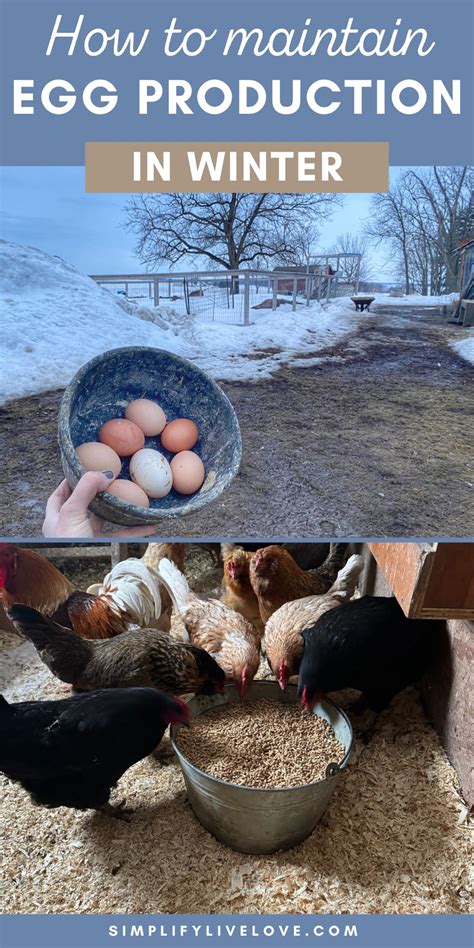
Maintaining Egg Production Through Winter
Decreased daylight hours naturally signal hens to slow or stop laying. While some breeds are more prolific winter layers, you can encourage consistent production by providing supplemental light. A timer-controlled LED bulb for 14-16 hours of total light (combining natural daylight and artificial light) can help. Avoid sudden changes in light exposure, and ensure any artificial lighting is gentle and not too intense.
Beyond light, proper nutrition remains paramount for laying hens. Ensure they are getting enough protein, calcium, and other essential nutrients. A consistent supply of feed, fresh water, and a comfortable environment will go a long way in encouraging your hens to continue their valuable work, even when the snow falls.
By taking these proactive steps, you can ensure your backyard flock not only survives winter but thrives through it. A little preparation goes a long way in keeping your hens healthy, productive, and providing those fresh eggs all year round.