Best methods for preserving abundant garden produce for real food recipes?
Turning Garden Abundance into Year-Round Real Food
There’s immense satisfaction in harvesting a bounty from your own garden. However, when the cucumbers are overflowing, the tomatoes are ripening faster than you can eat them, and the beans just keep coming, the question quickly turns from ‘what to cook?’ to ‘how to save it all?’. Preserving your garden’s abundance isn’t just about preventing waste; it’s about extending the joy of homegrown, nutritious produce into the colder months, ensuring your pantry is stocked with real food ingredients for countless delicious recipes.
Embracing preservation methods allows you to control the quality of your food, avoid additives, and savor the flavors of the season long after the last harvest. Let’s explore some of the most effective and popular techniques for preserving your garden’s treasures.
Classic Methods for Long-Term Storage
Canning: A Timeless Technique
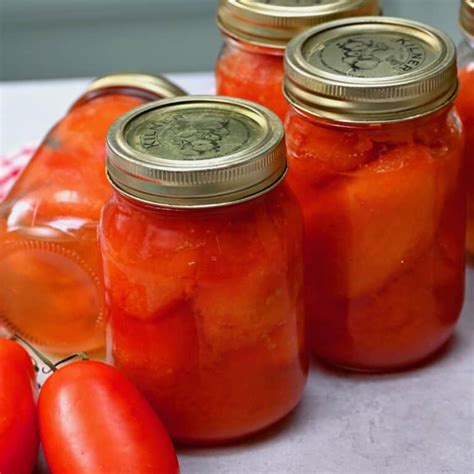
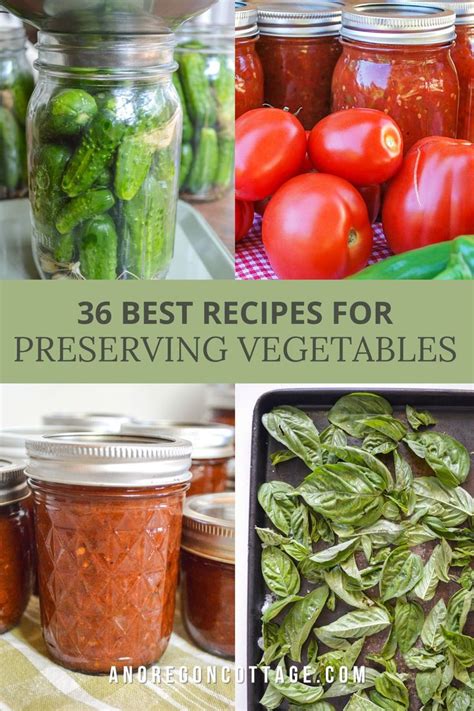
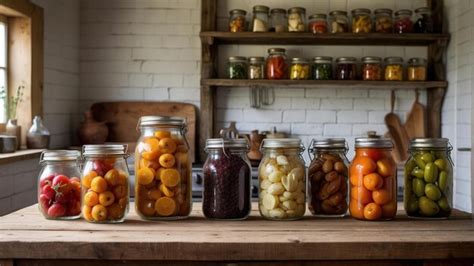
Canning is perhaps the most iconic method for preserving garden produce, transforming fresh ingredients into shelf-stable jars of goodness. It involves heating food in jars to a temperature that destroys spoilage microorganisms and creates a vacuum seal.
- Water Bath Canning: Ideal for high-acid foods like fruits, jams, jellies, pickles, and tomatoes (with added acid). It’s a relatively simple process, perfect for beginners.
- Pressure Canning: Essential for low-acid foods such as vegetables, meats, and soups. A pressure canner reaches much higher temperatures than a water bath, ensuring the safety of these items. Always follow tested recipes and guidelines to ensure food safety.
Freezing: Simplicity and Versatility
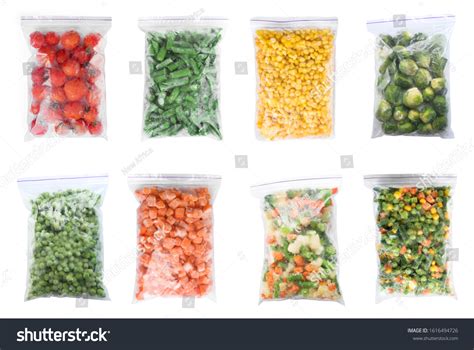
Freezing is arguably the easiest and most versatile method for preserving many types of produce, retaining much of their flavor, texture, and nutritional value. Most vegetables benefit from blanching (briefly boiling then chilling in ice water) before freezing to stop enzyme action that can degrade quality.
- Vegetables: Blanch and then spread on a baking sheet to freeze individually before transferring to freezer bags to prevent clumping. Examples include corn, peas, green beans, broccoli, and spinach.
- Fruits: Many fruits, like berries, peaches, and cherries, can be frozen whole or sliced, either dry or packed in syrup.
- Herbs: Chop herbs and freeze them in olive oil or water in ice cube trays for easy addition to winter dishes.
Dehydrating: Concentrated Flavor and Nutrition
Dehydration removes water from food, inhibiting microbial growth and enzyme activity. This method results in lightweight, compact food that’s excellent for snacking, baking, or rehydrating for use in recipes.
- Fruits: Apples, bananas, berries, and mangoes make delicious dried snacks.
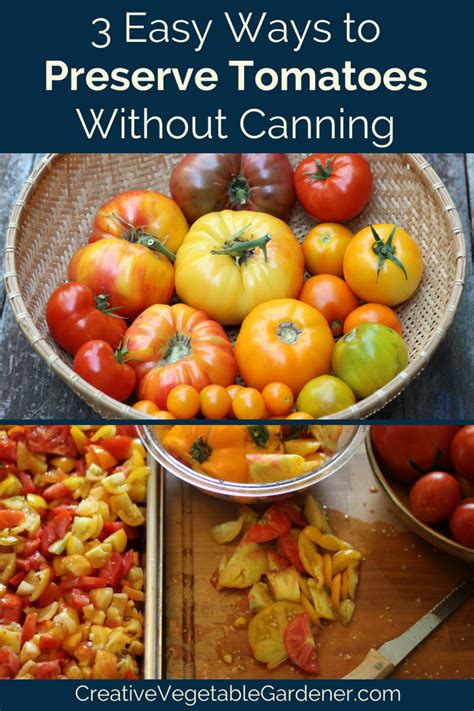
- Vegetables: Tomatoes, peppers, onions, and carrots can be dried and then rehydrated for soups, stews, or casseroles.
- Herbs: Drying herbs is a classic way to preserve their aromatic qualities for cooking throughout the year.
Beyond the Basics: Innovative Preservation
Fermentation: Probiotic Powerhouse
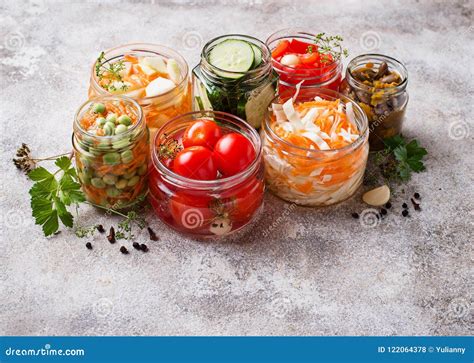
Fermentation is an ancient preservation method that not only extends shelf life but also enhances the nutritional value and creates unique flavors. It involves beneficial microorganisms converting carbohydrates into acids, gases, or alcohol.
- Lacto-Fermentation: This technique uses salt and beneficial bacteria to create delicious and probiotic-rich foods like sauerkraut, kimchi, and fermented pickles.
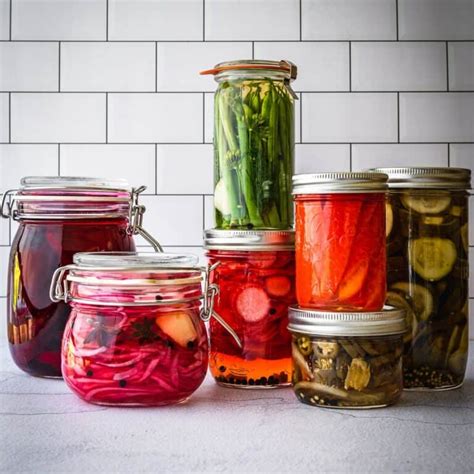
- Vinegar-Based Fermentation: While technically a pickling method, some pickles undergo a short fermentation before being preserved in vinegar.
Root Cellaring and Cold Storage
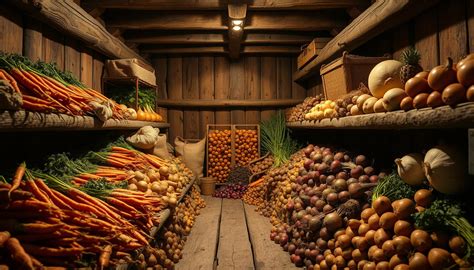
For certain crops, simply providing the right cool, dark, and humid conditions can allow them to store for months without any processing. This traditional method requires no electricity and is perfect for specific root vegetables and some fruits.
- Ideal Crops: Potatoes, carrots, beets, apples, winter squash, and onions are excellent candidates for root cellaring.
- Conditions: A root cellar or cool basement with consistent temperature (around 35-50°F or 2-10°C) and appropriate humidity is key.
Tips for Success and Real Food Integration
Start Small and Experiment
Don’t feel overwhelmed. Pick one or two methods that appeal to you and start with a manageable amount of produce. As you gain confidence, you can expand your repertoire and scale up your efforts.
Labeling and Organization
Proper labeling is crucial. Include the date and contents on every preserved item. Organize your pantry or freezer to easily locate what you need, ensuring you use your stored goods efficiently.
Embrace Your Harvest
Preserving your garden’s bounty is a rewarding journey that connects you more deeply with your food source. Whether you choose the reliable methods of canning and freezing, the innovative world of fermentation, or the simplicity of cold storage, you’ll be well on your way to enjoying delicious, real food recipes made from your own harvest all year long. Happy preserving!