

How to effectively deter deer from a garden without chemicals?
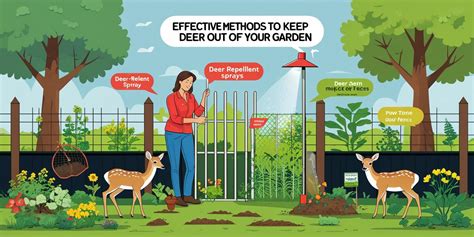
Deer, with their graceful appearance, can quickly become a gardener’s worst nightmare, devouring cherished plants and decimating months of hard work. While chemical repellents are an option, many gardeners prefer environmentally friendly, non-toxic methods to protect their produce and ornamentals. Successfully deterring deer without chemicals requires a multi-pronged approach, combining physical barriers, strategic planting, and natural repellents.
Establishing Robust Physical Barriers
The most effective method for keeping deer out of your garden is often a physical barrier. Deer are surprisingly athletic, capable of jumping considerable heights, but a well-constructed fence can be virtually impenetrable.
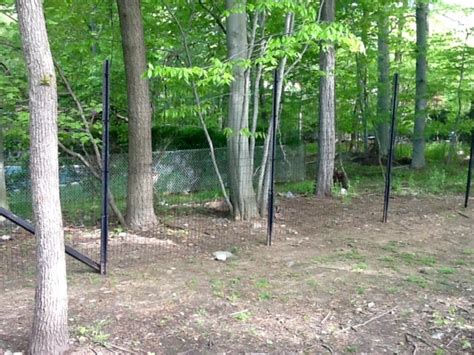
A standard deer fence needs to be at least 7-8 feet tall to prevent most deer from jumping over. For persistent deer, an angled fence (leaning outwards) can be even more effective, as it disorients their jumping ability. Another option is a double fence, with two shorter fences (e.g., 4-5 feet) placed about 3-5 feet apart. Deer are hesitant to jump into an enclosed space, making this a strong deterrent. For smaller gardens or specific plants, individual cages made from chicken wire or hardware cloth can offer targeted protection.
Employing Non-Toxic Repellents
While not always 100% foolproof, natural repellents can be a valuable part of an integrated deer management strategy. These typically work by appealing to deer’s strong sense of smell or taste, making your garden less appealing.
Scent-Based Repellents
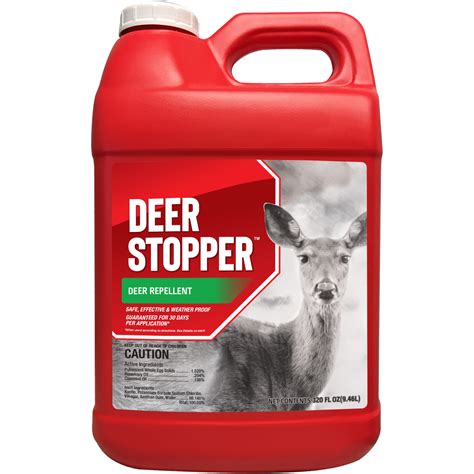
Many gardeners find success with homemade solutions. Sprays made from rotten eggs, garlic, hot pepper, or even strong-smelling bar soap (grated and hung in sachets) can deter deer. Commercial organic repellents, often containing predator urine, putrescent egg solids, or essential oils, are also available and can be effective when applied regularly, especially after rain.
Taste-Based Repellents
These repellents make plants taste unpleasant to deer. Applying products containing thiram or capsaicin directly to foliage can deter browsing. Always ensure any repellent is safe for edible plants if you’re using it in a vegetable garden.
Sound and Motion Deterrents
Motion-activated sprinklers are a popular choice, surprising deer with a burst of water and often sending them fleeing. Ultrasonic devices claim to deter deer with high-frequency sound, but their effectiveness is often debated and can be inconsistent.
Strategic Planting of Deer-Resistant Species
While no plant is entirely deer-proof, some species are significantly less attractive to deer. Incorporating these into your garden design can reduce browsing pressure.
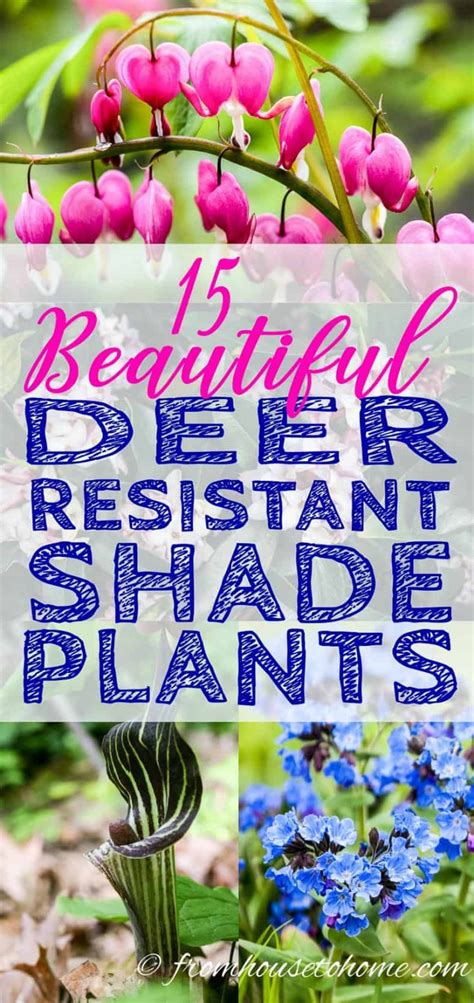
Deer tend to avoid plants with strong scents (lavender, mint, rosemary), fuzzy or thorny leaves (lamb’s ear, roses), or those that are toxic to them (foxglove, daffodil, bleeding heart). Grouping vulnerable plants amongst deer-resistant varieties can sometimes offer a degree of protection, as deer may be less likely to wade through unpleasant plants to reach their favorites.
Habitat Modification and Cultural Practices
Making your garden less inviting to deer involves more than just fences and sprays. Consider the overall environment.

- Remove Attractants: Don’t leave fallen fruit or vegetables lying around, as these are highly attractive to deer. Harvest promptly.
- Clean Garden Edges: Keep areas around your garden tidy and free of dense underbrush where deer might feel safe hiding or bedding down near their food source.
- Scare Tactics: While often temporary, things like shiny objects, wind chimes, or even a watchful dog can sometimes deter deer, especially when they are newly establishing territories. However, deer often habituate to these over time.
- Companion Planting: Some gardeners swear by planting strong-smelling herbs like onions, chives, or garlic near vulnerable plants to mask their scent.
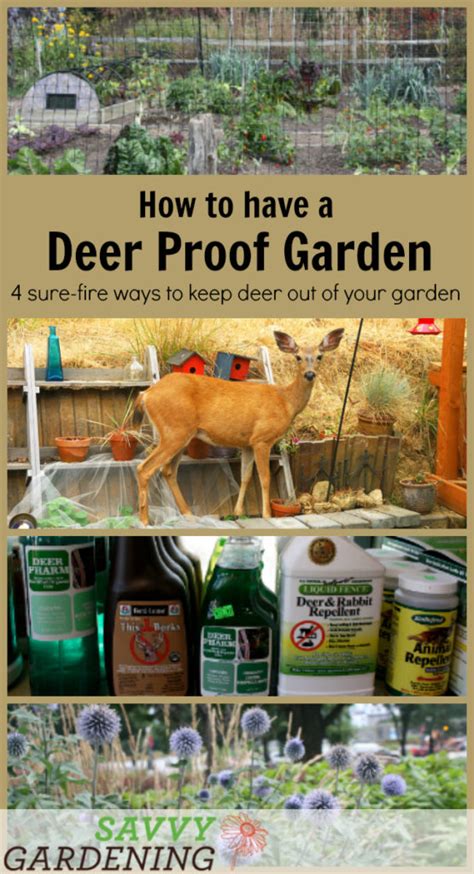
Conclusion: A Persistent and Adaptive Approach
Deterring deer without chemicals is an ongoing process that often requires a combination of strategies and a degree of persistence. What works one season might need adjusting the next, as deer behavior can adapt. By implementing strong physical barriers, utilizing natural repellents, strategically choosing deer-resistant plants, and maintaining good garden hygiene, you can significantly reduce deer damage and enjoy a thriving, chemical-free garden space.