How to involve kids in real food meal prep without kitchen chaos?
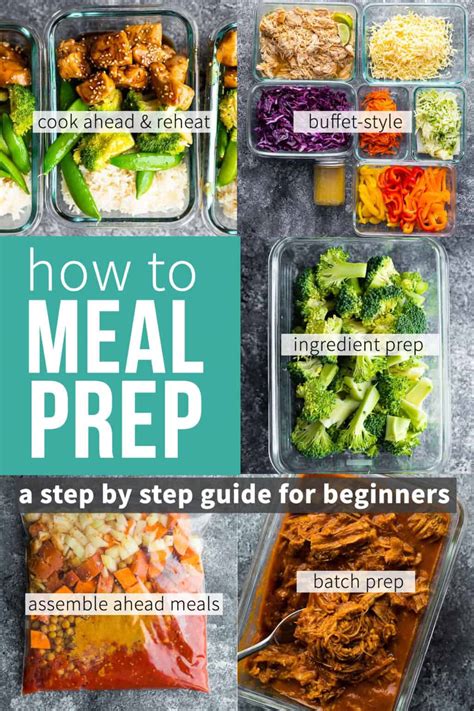
Involving kids in meal preparation is a fantastic way to teach valuable life skills, encourage healthy eating habits, and create lasting family memories. However, the thought of little hands in the kitchen often conjures images of spills, messes, and complete pandemonium. But fear not! With a little planning and the right approach, you can turn meal prep into an enjoyable, organized, and chaos-free family activity.
Start Small: Age-Appropriate Tasks
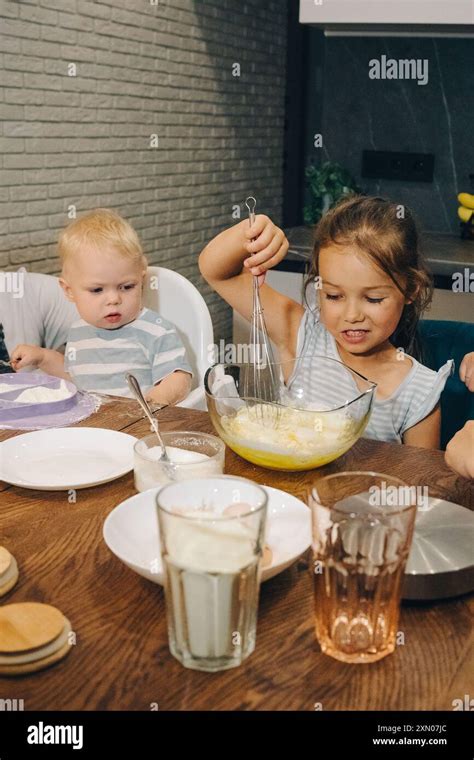
The key to success is assigning tasks that match your child’s developmental stage. Even toddlers can participate with supervision. They can wash vegetables, stir ingredients in a bowl, or hand you items from the pantry. These simple actions build confidence and familiarity with food.
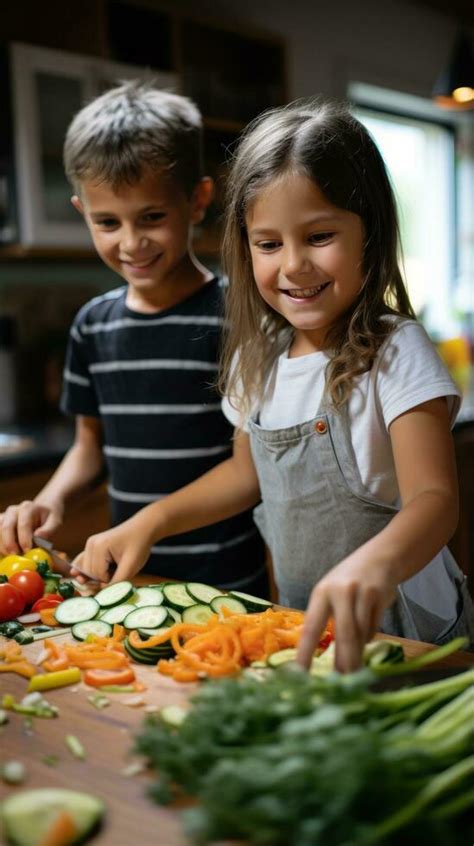
For elementary-aged children, tasks can become more involved. Think measuring ingredients, mashing soft fruits or vegetables, cutting with child-safe knives (butter knives work well for bananas or cooked pasta), or tearing lettuce. They love to feel useful and capable, so let them take ownership of a step or two.
Older children and pre-teens can handle more complex responsibilities like chopping harder vegetables, following simple recipes, grating cheese, or operating small kitchen appliances under strict supervision. This is an excellent opportunity to teach precision and recipe interpretation, preparing them for independent cooking in the future.
Preparation is Key: Setting Up for Success
The secret weapon against kitchen chaos is preparation. Before inviting your little helpers, do some mise en place. Gather all necessary ingredients and tools, measure out tricky items beforehand, and set up a clear, designated workspace for each child if possible. This reduces bottlenecks and minimizes the potential for spills.
Safety should always be your top priority. Clearly communicate kitchen rules, especially regarding sharp objects, hot surfaces, and electrical appliances. Demonstrate proper techniques for holding utensils and ensure they understand the importance of asking for help when unsure. Creating a safe environment allows children to explore without undue risk.
It’s also crucial to manage your own expectations. The goal isn’t culinary perfection or speed; it’s involvement and learning. Embrace the small messes that inevitably occur as part of the process. A patient and encouraging attitude will make the experience positive for everyone.
Make it Fun: Gamification and Engagement
Transform meal prep into an adventure! Let kids choose a recipe from a few healthy options, or name a dish after them. Turn measuring into a math game or identify colors and shapes of ingredients. Introduce new foods with a ‘mystery ingredient’ taste test. The more engaging and playful the process, the more enthusiastic your children will be.
Focus on the sensory experience of food. Let them smell different herbs, feel the texture of dough, or watch vegetables change color as they cook. These experiences deepen their connection to what they eat and can make picky eaters more adventurous.
Clean Up Together: Fostering Responsibility
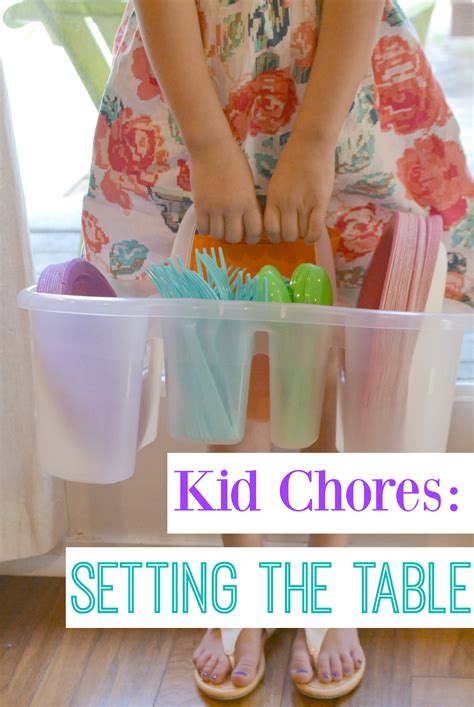
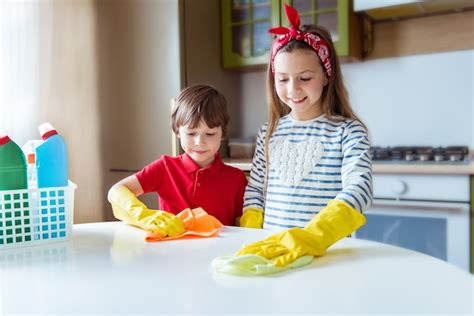
Meal prep isn’t just about cooking; it’s also about cleaning up. Integrate cleanup into the process from the beginning. Assign simple cleanup tasks, such as wiping down counters, putting away utensils, or loading a few dishes into the dishwasher. Make it clear that cleaning is part of the team effort.
By involving them in tidying up, you teach responsibility and the full cycle of meal preparation. Play some music, set a timer, and make it a quick, collaborative effort. This also helps in keeping the kitchen from becoming overwhelmingly messy, reinforcing the ‘chaos-free’ aspect.
Benefits Beyond the Plate
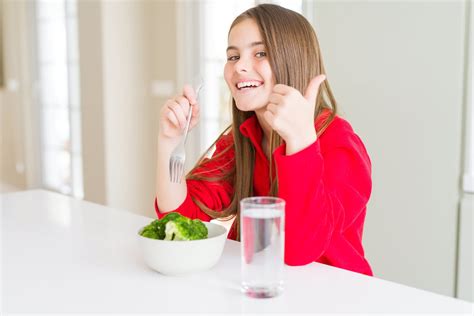
The advantages of involving kids in meal prep extend far beyond simply getting food on the table. They develop essential life skills, improve their fine motor skills, learn about nutrition, and gain a sense of accomplishment. Children who help prepare meals are also more likely to try new foods and develop healthier eating habits.
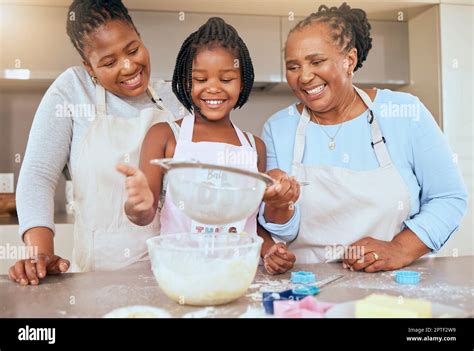
More importantly, it’s an incredible opportunity for family bonding. Sharing tasks, collaborating, and creating something delicious together strengthens relationships and creates cherished memories. These shared experiences build communication, teamwork, and a deeper appreciation for the effort that goes into a home-cooked meal.
While the idea of involving kids in the kitchen might initially feel daunting, remember that patience and a positive attitude are your best ingredients. By breaking down tasks, preparing adequately, and making it an enjoyable experience, you can cultivate a love for cooking in your children and enjoy delicious, real food meals prepared together, all without succumbing to kitchen chaos.